Beans are a natural fit at the center of Italian meals because they add rich flavor, texture, and nutrition. They absorb seasonings easily, transforming simple ingredients into hearty, satisfying dishes. Plus, beans reflect Italy’s love for fresh, local ingredients and traditional cooking methods. Incorporating beans also supports sustainability and regional farming. If you want to discover more about how beans truly enhance Italian cuisine, keep exploring what makes them so essential.

Get home appliances delivered free — and shop member deals
- Fast, free delivery on millions of items
- Access to Prime Big Deal Days deals on October 6–7
- Prime Video, Amazon Music and more included
Key Takeaways
- Beans add nutritional value, providing high protein and fiber to traditional Italian dishes.
- Their flavor-absorbing qualities enhance the depth and richness of regional recipes.
- Beans embody Italy’s emphasis on simple, fresh ingredients and sustainable farming practices.
- They serve as affordable, hearty staples that support regional culinary heritage.
- Incorporating beans promotes wholesome, comforting meals aligned with Mediterranean dietary principles.
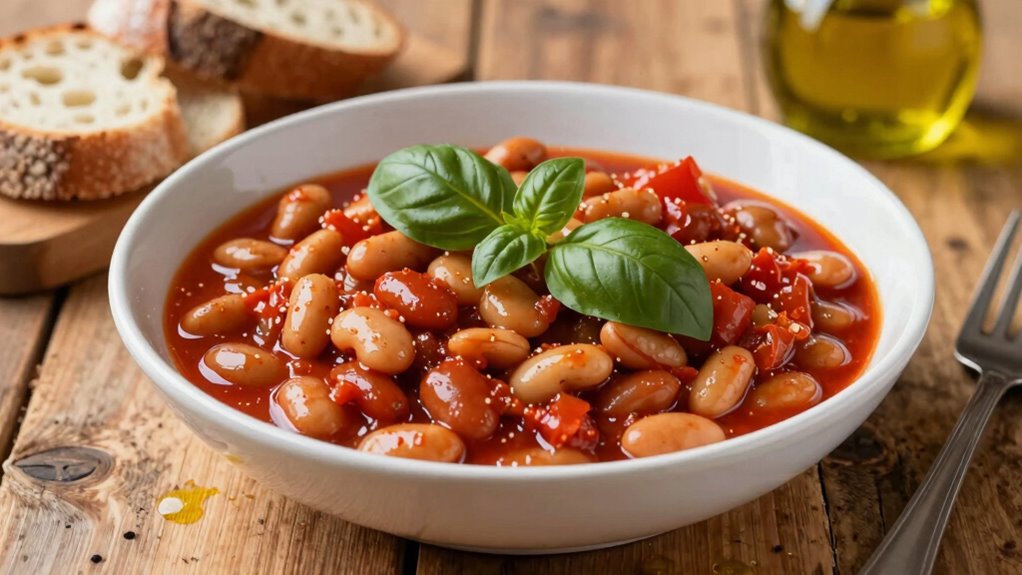
Have you ever wondered how beans became a staple in Italian cuisine? It’s because they perfectly complement the rich, vibrant flavors that define Italy’s culinary traditions. Beans, with their hearty texture and ability to absorb flavors, seamlessly blend into a variety of dishes, adding both nutritional value and depth. They’re a versatile ingredient that brings a sense of authenticity to traditional recipes, making them essential in many regional Italian meals. You’ll find beans in everything from comforting soups to robust stews, often seasoned with herbs, garlic, and olive oil, which are hallmarks of Mediterranean flavors. Their simplicity and versatility allow them to elevate simple ingredients into satisfying, wholesome dishes.
In Italy, beans are more than just a side ingredient; they’re the foundation of many cherished recipes passed down through generations. For example, in Tuscany, you might enjoy a hearty ribollita, a bread and bean soup that embodies the rustic charm of traditional recipes. In Naples, beans are essential in dishes like pasta e fagioli, where they create a creamy, flavorful base that highlights the synergy of legumes and pasta. These recipes reflect the Mediterranean flavors that emphasize fresh, local ingredients and straightforward preparation. Beans help create dishes that are both nourishing and flavorful, rooted in centuries-old traditions that celebrate the land’s bounty. Additionally, their role in promoting sustainable living practices connects culinary traditions with environmental awareness. Incorporating beans into your diet can also support local food systems, as they are often grown in Mediterranean regions, promoting regional agriculture. This focus on local cultivation helps preserve traditional farming methods and supports small-scale farmers.
Adding beans to your meals not only boosts their nutritional profile but also connects you to Italy’s culinary heritage. Their ability to absorb flavors means they serve as a perfect vehicle for herbs, spices, and aromatics, making each dish uniquely satisfying. Whether you’re preparing a simple bean salad or a more complex stew, you’re embracing a culinary tradition that values the natural essence of ingredients. Beans also lend a sense of comfort and familiarity, recalling the conviviality of Italian family dinners where everyone gathers around a steaming bowl of beans and bread. Moreover, their affordability makes them an accessible pantry staple for everyday cooking.
Ultimately, beans deserve a more prominent spot in your Italian cooking because they embody the essence of Mediterranean flavors and traditional recipes. They’re affordable, filling, and adaptable, making them an ideal ingredient to experiment with or incorporate into your everyday meals. By doing so, you honor Italy’s rich culinary history while enjoying the wholesome, hearty results. So next time you reach for your ingredients, consider adding beans—your taste buds and your body will thank you.
As an affiliate, we earn on qualifying purchases.
Frequently Asked Questions
Are Beans Traditional in Authentic Italian Cuisine?
Beans aren’t traditionally central to authentic Italian cuisine, but modern culinary adaptations are changing that. Historically, beans have played a role in Italian cooking, with a rich bean cultivation history dating back centuries. Today, chefs incorporate beans more often for their flavor and nutritional value, blending tradition with innovation. You’ll find beans increasingly featured in Italian dishes, adding depth and healthy ingredients to classic recipes.
Which Italian Regions Use Beans Most Often?
Think of it like the Renaissance—some Italian regions embrace beans more than others. In Tuscany, beans hold deep cultural significance, often featured in hearty soups and stews, while in Campania, they’re essential to classic dishes like pasta e fagioli. Regional variations highlight how beans reflect local history and traditions. You’ll find that northern regions, such as Piedmont, use beans less frequently, emphasizing different culinary influences.
How Do Beans Influence Italian Meal Nutritional Value?
Beans considerably boost the nutritional value of Italian meals through bean cultivation, which provides essential nutrients like protein, fiber, vitamins, and minerals. When you include beans, you add a plant-based source of complete protein, making your dish more balanced. Their high fiber content aids digestion and helps regulate blood sugar levels. By integrating beans, you enrich your meal with nutritional benefits, supporting overall health and making your Italian dishes more wholesome.
Can Beans Replace Meat in Italian Recipes?
Yes, beans can replace meat in Italian recipes by providing plant-based protein and culinary versatility. You can use beans in dishes like pasta e fagioli, bean-based ragu, or veggie-stuffed lasagna, offering rich flavors and satisfying textures. They absorb seasonings well, making them a flexible substitute. Embracing beans not only enhances nutrition but also allows for more sustainable, flavorful Italian meals that everyone can enjoy.
What Are Popular Italian Bean Dishes?
You’ll love popular Italian bean dishes like flavorful minestrone soup, hearty fagioli all’uccelletto, and simple pasta e fagioli. These dishes showcase bean varieties like cannellini, borlotti, and chickpeas, prepared with classic cooking techniques such as simmering and sautéing. These methods bring out the beans’ rich textures and flavors, creating satisfying meals that highlight the versatility and importance of beans in Italian cuisine.
Conclusion
So, next time you enjoy an Italian dish, consider adding beans—they’re more than just a side. You might think they’re too plain or simple, but their hearty flavor and nutritional punch elevate every meal. Beans aren’t just filler; they’re a versatile ingredient that brings depth and tradition to Italian cuisine. Embrace them, and you’ll discover a richer, more authentic experience—without complicating your cooking. Sometimes, simplicity truly is the secret to great flavor.
Fall yard work Picks
leaf blowers
As an affiliate, we earn on qualifying purchases.