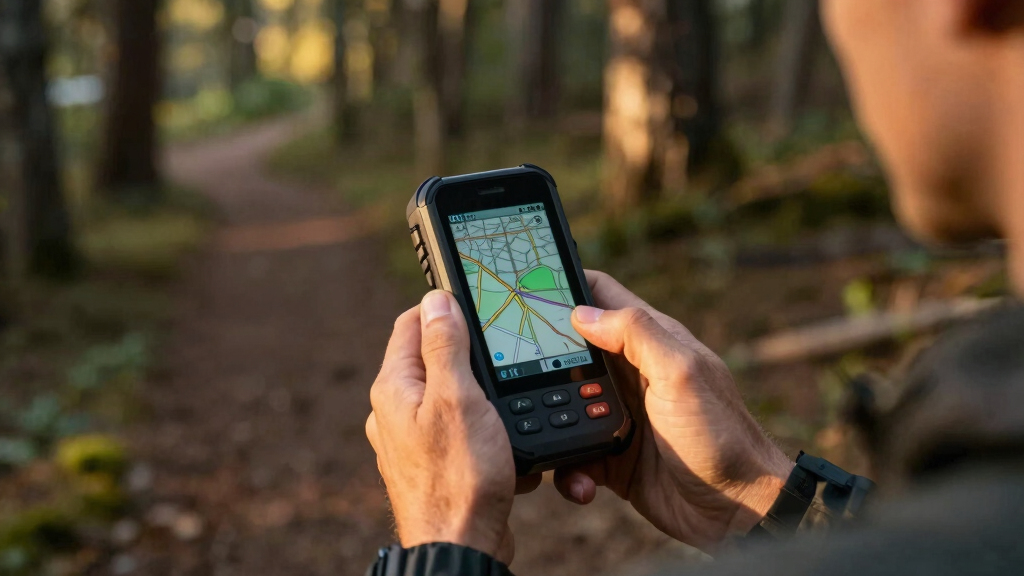

Finding the best hiking GPS handheld can be challenging with so many options offering different features and price points. The Garmin GPSMAP 66i stands out as the overall best for its combination of navigation, satellite communication, and rugged durability. For those on a tighter budget, the Garmin eTrex 22x delivers reliable performance at a lower cost, while the Garmin GPSMAP 65s offers a bright display and added sensors for more precise navigation. The main tradeoffs involve balancing advanced features against ease of use and durability. Keep reading for a detailed breakdown of each option to find the best fit for your hiking needs.

Get home appliances delivered free with Prime
- Fast, free delivery on millions of items
- Prime Video, Amazon Music and more included
- Member-only deals all year
Complete the kit


Key Takeaways
- The top-ranked devices combine rugged build quality with user-friendly interfaces, making them suitable for various hiking conditions.
- Advanced features like satellite communication and preloaded topographic maps are often found in higher-priced models, but simpler units still provide reliable navigation.
- Display quality and sunlight readability are critical for outdoor visibility, especially in bright conditions.
- Battery life varies significantly; longer-lasting devices are better for extended hikes or multi-day trips.
- Price range is broad, but investing in a more durable and feature-rich model can be worthwhile for serious hikers.
| Garmin eTrex SE GPS Handheld Navigator |  | Best Overall for Durability and Extended Use | Screen Size: 2.16 inches | Display Resolution: 480 x 272 | Battery Life: 168 hours | VIEW LATEST PRICE | See Our Full Breakdown |
| Garmin GPSMAP 65s Handheld GPS with Altimeter and Compass, 2.6″ Color Display |  | Best for Challenging Terrain with Multi-Band Support | Screen Size: 2.6 inches | Display Type: LCD | Resolution: 160 x 240 | VIEW LATEST PRICE | See Our Full Breakdown |
| Garmin eTrex 22x Handheld GPS Navigator |  | Best for Budget-Conscious Rugged Navigation | Display: 2.2-inch sunlight-readable color display | Preloaded Maps: Topo Active | Satellite Support: GPS, GLONASS | VIEW LATEST PRICE | See Our Full Breakdown |
| Garmin eTrex 32x Rugged Handheld GPS Navigator |  | Best for Advanced Navigation with Sensors | Display Size: 2.2 inches | Display Resolution: 240 x 320 | Supported Satellite Systems: GPS, GLONASS | VIEW LATEST PRICE | See Our Full Breakdown |
| Garmin GPSMAP 66i Handheld GPS and Satellite Communicator |  | Best for Safety and Global Connectivity | Screen Size: 3 inches | Display Resolution: 240 x 400 | Battery Life: 35 hours | VIEW LATEST PRICE | See Our Full Breakdown |
| Garmin GPSMAP 64sx Handheld GPS with Altimeter and Compass |  | Best Overall Rugged GPS for Versatile Outdoor Navigation | Display: 2.6-inch sunlight-readable color display | Maps: Preloaded TopoActive maps (U.S. and Australia) | Connectivity: Bluetooth and ANT+ | VIEW LATEST PRICE | See Our Full Breakdown |
| Handheld GPS for Hiking, Rugged and Waterproof Navigator with 3.2″ Sunlight Readable Screen and USA Topo Map |  | Best Long-Lasting Battery for Extended Hiking Adventures | Screen Size: 3.2 inches | Additional Features: USA topo map, Waterproof | Connectivity Technology: USB | VIEW LATEST PRICE | See Our Full Breakdown |
| hiking GPS handheld | Battery Life | Screen Size |
|---|---|---|
| Garmin eTrex SE GPS Handheld N | 168 hours | 2.16 inches |
| Garmin GPSMAP 65s Handheld GPS | 16 hours | 2.6 inches |
| Garmin eTrex 22x Handheld GPS | 25 hours | — |
| Garmin eTrex 32x Rugged Handhe | up to 25 hours | — |
| Garmin GPSMAP 66i Handheld GPS | 35 hours | 3 inches |
| Garmin GPSMAP 64sx Handheld GP | Up to 16 hours | — |
| Handheld GPS for Hiking | — | 3.2 inches |
More Details on Our Top Picks
Garmin eTrex SE GPS Handheld Navigator
The Garmin eTrex SE stands out for its impressive 168-hour battery life, making it ideal for multi-day expeditions where recharging isn’t an option. Its support for multiple satellite systems—GPS, GLONASS, Galileo, BeiDou, and QZSS—provides reliable tracking even in tough environments, surpassing many competitors like the Garmin eTrex 22x, which lacks multi-GNSS support. While its small 2.16-inch display may limit detailed map viewing, it compensates with water resistance (IPX7) and rugged durability. The reliance on two AA batteries (not included) is a tradeoff for its long run time and broad compatibility, but it means extra planning for power. This device makes the most sense for users who prioritize extended battery life and robust construction over a larger screen or built-in rechargeable batteries.
Pros:- Impressive 168-hour battery life for multi-day trips
- Supports multiple satellite systems for reliable positioning
- Water-resistant and rugged for harsh conditions
- Pairs with Garmin Explore app for added features
Cons:- Requires 2 AA batteries, which are not included
- Small display size limits detailed navigation viewing
- No built-in rechargeable battery
Best for: Backcountry hikers and outdoor explorers needing long-lasting power and tough design
Not ideal for: Casual users or those preferring large screens and rechargeable batteries for everyday use
- Screen Size:2.16 inches
- Display Resolution:480 x 272
- Battery Life:168 hours
- Battery Type:2 AA batteries (not included)
- Water Resistance:IPX7
- Supported Satellite Systems:GPS, GLONASS, Galileo, BeiDou, QZSS
Our verdict“This is a top choice for serious outdoor enthusiasts who need durability and long battery life over screen size or rechargeability.”
Garmin GPSMAP 65s Handheld GPS with Altimeter and Compass, 2.6″ Color Display
The Garmin GPSMAP 65s shines in rugged terrains thanks to its high-precision multi-band satellite support and detailed topographic maps, making it a step above the Garmin eTrex 22x in accuracy and map detail. Its ABC sensors add navigational confidence, especially on complex routes, but the resistive touchscreen can feel less responsive than capacitive screens like the Garmin eTrex 32x, which offers a more intuitive interface. Its 16-hour battery life is decent but shorter than the eTrex SE, which offers a far longer operational period. Designed for outdoor enthusiasts tackling difficult environments, this model is less suitable for casual hikers who prefer simpler interfaces or extended battery life for multi-day trips without charging options.
Pros:- High-precision multi-band satellite support
- Rugged, durable design for tough conditions
- Includes detailed topographic and boundary maps
- ABC sensors for precise navigation
Cons:- Resistive touchscreen is less responsive
- Limited to North America maps
- Battery life of only 16 hours
Best for: Hikers and climbers tackling challenging environments where accuracy and durability are priorities
Not ideal for: Casual day hikers or those who prefer easier, touchscreen interfaces with longer battery life
- Screen Size:2.6 inches
- Display Type:LCD
- Resolution:160 x 240
- Battery Life:16 hours
- Memory Storage:16 GB
- Supported Maps:Topographic, Public Land Boundaries
Our verdict“Best suited for advanced users needing accurate multi-band support and rugged build for demanding adventures.”
Garmin eTrex 22x Handheld GPS Navigator
The Garmin eTrex 22x offers solid performance at a lower price point, with a 2.2-inch sunlight-readable color display and preloaded Topo Active maps, making it comparable to the Garmin eTrex SE but with a focus on basic navigation. Its support for GPS and GLONASS enhances signal reliability, but the smaller 2.2-inch screen limits map detail, especially compared to slightly larger devices like the GPSMAP 65s. Its 25-hour battery life is impressive, rivaling higher-end models, but it still depends on AA batteries that require replacement during extended trips. This device is ideal for budget-minded hikers who want dependable navigation without extra bells and whistles, but those seeking advanced sensors or multi-band support may find it lacking.
Pros:- Affordable price point
- Preloaded with detailed Topo Active maps
- Supports GPS and GLONASS for reliable signals
- Long 25-hour battery life
Cons:- Limited internal memory for additional maps
- Small screen size reduces map detail
- Requires AA batteries for power
Best for: Budget-conscious hikers needing reliable basic navigation with long battery life
Not ideal for: Tech-savvy users desiring advanced features like ABC sensors or multi-band satellite support
- Display:2.2-inch sunlight-readable color display
- Preloaded Maps:Topo Active
- Satellite Support:GPS, GLONASS
- Battery Life:25 hours
- Internal Memory:8 GB
- Batteries:2 AA batteries
Our verdict“An excellent choice for budget-minded hikers who prioritize long battery life and reliable basic features.”
Garmin eTrex 32x Rugged Handheld GPS Navigator
The Garmin eTrex 32x is tailored for serious outdoor adventurers seeking precise navigation, thanks to its 3-axis compass, barometric altimeter, and detailed preloaded Topo Active maps. Its 2.2-inch display is similar in size to other eTrex models but enhanced with a capacitive touch interface, making navigation more intuitive. With support for GPS and GLONASS, plus a microSD slot for additional maps, it surpasses the eTrex 22x in versatility, though its 8 GB internal storage can be limiting unless expanded. The 25-hour battery life matches other high-end models, but its reliance on AA batteries means planning for replacements. This device fits those who want a rugged, sensor-rich GPS that performs well in challenging terrains, but it may be overkill for casual hikers or those relying on integrated maps alone.
Pros:- Includes 3-axis compass and barometric altimeter
- Preloaded with detailed Topo Active maps
- Supports microSD for additional mapping
- Rugged design with long battery life
Cons:- Limited internal storage of 8 GB
- Small screen size for detailed navigation
- Requires AA batteries which may need frequent replacement
Best for: Experienced hikers and cyclists needing precise sensors and expandable storage
Not ideal for: Beginners or casual users who prefer simple interfaces and longer battery life without extra sensors
- Display Size:2.2 inches
- Display Resolution:240 x 320
- Supported Satellite Systems:GPS, GLONASS
- Additional Features:3-axis compass, barometric altimeter
- Battery Life:up to 25 hours
- MicroSD Slot:Yes
Our verdict“Designed for seasoned outdoor users needing advanced sensors and expandable mapping capabilities in a rugged package.”
Garmin GPSMAP 66i Handheld GPS and Satellite Communicator
The Garmin GPSMAP 66i combines navigation and safety with its 3-inch sunlight-readable display and inReach satellite communication, making it ideal for remote explorers. Its support for multiple GNSS systems and detailed TOPO maps provides reliable navigation, while the inReach feature allows two-way messaging and emergency SOS—an advantage over models like the GPSMAP 65s which lack satellite communication. The 35-hour battery life supports multi-day excursions, but the subscription-based satellite messaging can add costs, and some jurisdictions may restrict its satellite use. This device is best for those who prioritize safety, communication, and detailed mapping over affordability or lightweight design.
Pros:- Supports two-way satellite messaging and SOS
- Preloaded TOPO maps and satellite imagery
- Long 35-hour battery life for extended trips
- Global GNSS support for accurate positioning
Cons:- Requires satellite subscription for messaging
- Higher cost compared to other GPS-only devices
- Some jurisdictions may restrict satellite communication
Best for: Remote hikers and adventurers who need reliable communication and safety features
Not ideal for: Casual hikers or budget users who don’t require satellite messaging or detailed satellite support
- Screen Size:3 inches
- Display Resolution:240 x 400
- Battery Life:35 hours
- Connectivity:Cellular, Satellite (Iridium), GNSS
- Map Features:TOPO Active, Satellite Imagery
- Supported Devices:Smartphones
Our verdict“Perfect for remote explorers who need integrated navigation and communication for safety and peace of mind.”
Garmin GPSMAP 64sx Handheld GPS with Altimeter and Compass
The Garmin GPSMAP 64sx stands out for its rugged build and comprehensive navigation features, making it ideal for serious outdoor enthusiasts. Unlike the Garmin GPSMAP 65s, which offers a slightly larger display, the 64sx’s 2.6-inch sunlight-readable screen prioritizes durability and long battery life, up to 16 hours, over screen size. Its preloaded TopoActive maps for the U.S. and Australia are perfect for detailed terrain navigation, though the limited map regions mean you’ll need to load additional maps elsewhere if venturing outside these areas. Support for multiple satellite systems (GPS, GLONASS, Galileo) ensures high-precision positioning, which is a step above devices with only GPS support. The small display might challenge some users, but for those who value ruggedness and reliable mapping, this model offers a balanced mix of features and durability.
Pros:- Rugged, water-resistant design built for tough outdoor conditions
- Preloaded with detailed Topo maps for U.S. and Australia
- Supports multiple satellite systems for precise location tracking
- Long battery life of up to 16 hours
Cons:- Limited to preloaded maps for only two regions, restricting immediate global use
- Small 2.6-inch display may be hard to read for some users
Best for: Backcountry hikers and adventure travelers needing a durable device with extensive mapping and multi-GNSS support.
Not ideal for: Casual hikers or day-trippers who prefer larger screens and simpler interfaces, as the small display can hinder quick navigation.
- Display:2.6-inch sunlight-readable color display
- Maps:Preloaded TopoActive maps (U.S. and Australia)
- Connectivity:Bluetooth and ANT+
- Battery Life:Up to 16 hours
- Features:Altimeter, compass, multi-GNSS support
- Water Resistance:Yes
Our verdict“This Garmin model is best suited for serious outdoor explorers who prioritize durability and multi-GNSS accuracy over a larger display.”
Handheld GPS for Hiking, Rugged and Waterproof Navigator with 3.2″ Sunlight Readable Screen and USA Topo Map
This GPS offers a larger 3.2-inch sunlight-readable LCD screen, making it easier to view maps and data on the move compared to the Garmin GPSMAP 64sx. Its impressive 36-hour battery life surpasses the 16 hours of the 64sx, which is a significant advantage for multi-day hikes. The device supports multiple satellite systems, including BeiDou, GPS, Galileo, and QZSS, providing high accuracy globally—an edge over models supporting fewer systems. Preloaded with detailed USA Topo maps, it’s tailor-made for hikers in the U.S. who need a reliable device in various weather conditions. However, the absence of a touchscreen means navigation relies on physical buttons, which can slow down map interactions during rapid movements. Also, its Windows-only compatibility limits seamless integration with other devices for some users. This pick makes the most sense for hikers who need extended battery life and detailed maps in a rugged, waterproof package.
Pros:- Bright sunlight-readable screen enhances outdoor visibility
- Supports multiple satellite systems for high-precision positioning
- Exceptional battery life of up to 36 hours for extended trips
- Preloaded with detailed USA Topo maps
Cons:- No touchscreen interface, which can slow navigation
- Limited to Windows OS, reducing compatibility with other devices
- Waterproof rating specified as IP66, which is good but not as rugged as some fully water-resistant models
Best for: Long-distance hikers and backpackers needing a durable device with extended battery life and comprehensive mapping in the U.S.
Not ideal for: Casual day hikers or those who prefer touchscreen controls, as this device relies solely on physical buttons and has limited OS compatibility.
- Screen Size:3.2 inches
- Additional Features:USA topo map, Waterproof
- Connectivity Technology:USB
- Battery Average Life:36 hours
- Mounting Type:Handheld
- Supported Satellite Navigation System:BeiDou, GPS, Galileo, QZSS
Our verdict“This device is best for serious U.S. hikers who need prolonged battery life and clear screens, accepting some interface limitations for extended trips.”

How We Picked
The products in this roundup were selected based on a combination of performance, durability, usability, and value. We prioritized devices with reliable GPS accuracy, clear displays, and rugged construction suitable for outdoor conditions. Additional features such as altimeters, compasses, and satellite communication were considered for their added utility. We also evaluated user interfaces and battery life, ensuring each option balances functionality with ease of use. The ranking reflects a mix of expert reviews, user feedback, and the overall versatility of each device for different hiking scenarios.Factors to Consider When Choosing Best Hiking GPS Handheld
When choosing the best hiking GPS handheld, it’s important to consider how each device aligns with your outdoor needs. Factors like durability, screen readability, and battery life directly impact your experience on the trail. Beyond features, understanding the tradeoffs between price and functionality helps you make a smarter investment. Here are key considerations to guide your selection:Durability and Weather Resistance
Hiking often involves exposure to rain, mud, and rough handling. Look for devices with rugged, waterproof, and dustproof ratings like IPX7 or higher. This ensures your GPS can withstand tough conditions without failing, which is vital for long or remote hikes. Cheaper models may lack this durability, risking damage and data loss during adverse weather. Prioritizing durability can save money and frustration in the long run.
Display Readability and Size
A clear, sunlight-readable screen makes a significant difference when navigating in bright outdoor environments. Larger displays are easier to operate with gloves and in motion but may add bulk. Conversely, compact units are lighter but can be harder to see or use in bright conditions. Consider your preference for size based on hiking duration and comfort, and always check for brightness and contrast features.
Battery Life
Extended battery life is essential for multi-day trips or remote adventures where recharging isn’t an option. Look for devices with long-lasting batteries, or options that support replaceable batteries. Some models also offer power-saving modes that extend use. Beware of units that drain batteries quickly, which can leave you stranded without navigation in critical moments.
Preloaded Maps and Sensors
Preloaded topographic maps and sensors like barometers and compasses enhance navigation accuracy, especially in unfamiliar terrain. Devices with these features are better suited for serious hikers, off-trail explorers, or those venturing into remote areas. However, they tend to come at a higher price point. Consider your level of experience and the complexity of your hikes when evaluating these features.
Ease of Use and Interface
An intuitive interface reduces the learning curve and minimizes errors when using your GPS in the field. Touchscreen models offer quick access but may be less responsive in cold weather or when wearing gloves. Button-controlled devices excel in rugged conditions but can be less intuitive. Choose a device whose interface matches your familiarity with technology and your comfort level with different controls.
Frequently Asked Questions
How accurate are handheld GPS devices compared to smartphone apps?
Handheld GPS devices generally provide more precise and reliable location data than smartphones, especially in remote areas with poor cellular reception. They are designed for outdoor use with high-sensitivity receivers and often include additional sensors for better accuracy. Smartphone apps depend heavily on signal strength and can drain batteries quickly, making dedicated GPS units a better choice for serious hiking or navigation in challenging environments.
Do I need a GPS with topographic maps for hiking?
Preloaded topographic maps significantly enhance navigation, especially in unfamiliar or rugged terrain. They allow you to see contour lines, trails, and natural features, reducing the risk of getting lost. While not mandatory, a device with detailed maps can improve safety and confidence on the trail. For casual hikes on well-marked paths, basic GPS functions may suffice, but for extended or off-trail adventures, maps become more valuable.
Is satellite communication necessary for most hikers?
Satellite communication features, like SOS or messaging, are most useful for backcountry explorers or those venturing into remote areas without cell coverage. They offer a safety net in emergencies but add to the cost and complexity of the device. For day hikes or well-trailed routes, traditional GPS navigation without satellite communication is typically enough. Evaluate your outdoor plans and risk level before choosing a model with these features.
How important is battery life for a hiking GPS?
Battery life directly impacts your ability to rely on your GPS during long hikes. Devices with longer-lasting batteries or the ability to use replaceable batteries are preferable for extended trips. Some models offer power-saving modes or external power options, which can extend usability. Short battery life can leave you without navigation tools when you need them most, so prioritize this feature based on your typical hike duration and remoteness.
Should I choose a touchscreen or button-controlled GPS?
Touchscreen models are often more intuitive and faster to operate, especially for map viewing and waypoint management. However, they can be less responsive in cold weather or when wearing gloves, common conditions during winter hikes. Button-controlled devices are generally more durable and easier to operate with gloves but may have a steeper learning curve. Consider your typical hiking conditions and personal preferences when selecting between these control types.
Conclusion
The best overall choice for most hikers is the Garmin GPSMAP 66i because of its robust features, durability, and satellite communication. If you are looking for value, the Garmin eTrex 22x offers reliable performance at a lower price. For beginners or casual hikers, a simple and easy-to-use device with a bright display will suffice, like the Handheld GPS for Hiking, Rugged and Waterproof Navigator. Serious outdoor enthusiasts or those exploring remote terrain should consider models with preloaded maps, advanced sensors, and longer battery life. Your ideal device depends on your hiking style, technical comfort, and safety priorities.
NFL season / tailgating Picks
team gear
As an affiliate, we earn on qualifying purchases.