In Northern Italy, you can explore birdwatching routes across wetlands, alpine regions, and lakesides, offering rich opportunities to spot migratory and native bird species. Popular spots include the Po Delta, the Alps, and protected natural reserves where you can observe waterfowl, raptors, and mountain birds. These sites often feature guided tours and informational signage. Keep exploring, and you’ll discover even more exciting birdwatching routes and tips for making the most of your experience.
Key Takeaways
- Explore the Po Delta for diverse waterfowl and migratory bird sightings along well-marked routes and guided tours.
- Visit Alpine regions such as Trento and Bolzano for raptor watching and mountain bird species.
- Use wetlands and lakesides like Lake Garda and Lake Maggiore as scenic routes for observing aquatic birds.
- Join conservation-focused routes through protected areas to learn about habitat preservation and bird migration.
- Opt for guided birdwatching excursions that highlight seasonal migration patterns and habitat diversity across northern Italy.

Northern Italy offers some of the most scenic and diverse birdwatching routes in Europe, making it a must-visit destination for nature enthusiasts. As you explore this region, you’ll encounter a rich variety of bird species, each with unique behaviors and habitats. One of the key attractions here is observing migratory patterns, which are particularly spectacular in this part of Europe. During spring and fall, millions of birds traverse the Alps and surrounding wetlands, providing incredible opportunities for spotting species on their seasonal journeys. Understanding these migratory routes enhances your experience, allowing you to anticipate where certain birds might be during specific times of the year.
Your journey through Northern Italy’s birdwatching routes also offers a chance to learn about ornithology conservation efforts. Many protected areas, such as the Po Delta and the Alps, are essential stopovers for migrating birds and are actively managed to preserve their habitats. By visiting these sites, you support local conservation initiatives dedicated to maintaining biodiversity and safeguarding endangered species. Pay attention to signage and guided tours that often highlight ongoing projects, research, and the importance of habitat preservation. Your involvement can make a difference in ensuring these areas remain indispensable for bird populations.
As you traverse different routes—from serene lakesides to lush wetlands—you’ll notice how landscape diversity influences bird behavior and species presence. The wetlands along the Po Delta are especially rich in waterfowl and waders, while the alpine regions host a variety of raptors and mountain birds. Each habitat provides a unique window into ornithology conservation, showing how habitat preservation directly impacts bird populations. Keep your binoculars ready, and listen for the calls and songs that reveal the presence of elusive species. Early mornings are particularly rewarding, as many birds are most active during this time.
In northern Italy, birdwatching isn’t just about spotting species; it’s about understanding their life cycles and the importance of protecting their migratory routes. Your observations contribute to a broader awareness of ornithology conservation, encouraging sustainable tourism and habitat management. To make the most of your experience, consider guided tours led by experts who can explain the significance of migratory patterns and conservation efforts. With each outing, you deepen your connection to nature and gain insight into the delicate balance that sustains bird populations across continents. Northern Italy’s birdwatching routes offer a mesmerizing blend of adventure, education, and conservation—truly a haven for passionate birders.
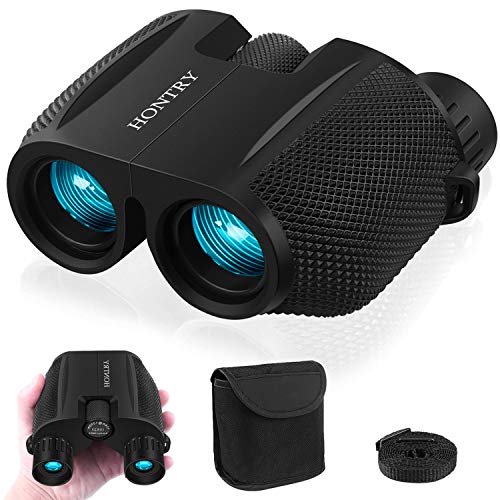
Hontry Binoculars for Adults and Kids, 10×25 Compact Binoculars for Bird Watching, Theater and Concerts, Hunting and Sport Games
An ideal choice magnification: A 10x magnification strikes the balance between zooming in on your target and maintaining…
As an affiliate, we earn on qualifying purchases.
As an affiliate, we earn on qualifying purchases.
Frequently Asked Questions
What Time of Year Is Best for Birdwatching in Northern Italy?
You’ll find the best birdwatching in Northern Italy during spring and early summer, when seasonal migration is in full swing and many birds are breeding. During this time, you’ll spot a variety of species actively nesting and singing. Fall also offers great opportunities as birds migrate back south. To maximize your sightings, plan your trips around these peak seasons, especially between April and June, when nature is most lively and birds are most active.
Are Guided Birdwatching Tours Available in These Routes?
Did you know that over 300 bird species can be spotted in Northern Italy? Yes, guided tours are widely available, making it easier for birdwatching groups to explore the region’s rich avian diversity. These guided birdwatching tours are perfect for beginners and experts alike, providing expert insights and access to prime locations. So, if you’re enthusiastic to see rare birds, joining a guided tour enhances your experience and chances of spotting them.
Do I Need Special Equipment for Birdwatching in Northern Italy?
You don’t need much birdwatching gear to enjoy birdwatching in Northern Italy, but binoculars are essential for a closer look at birds. The binoculars requirements depend on the terrain and bird species you’re targeting, so choose a pair with good magnification and clarity. Bring a field guide and comfortable clothing, but you’ll find that basic gear makes your experience more enjoyable and successful without being overly complicated.
Are There Any Birdwatching Routes Suitable for Children?
You’re in luck—there are plenty of birdwatching routes perfect for kids, making it a walk in the park. Look for family-friendly routes that feature educational programs, so your children learn while they explore. These routes are designed with young birders in mind, offering easy trails and engaging activities. It’s a great way to nurture their curiosity and bond over nature, proving that birdwatching can be fun for everyone in the family.
What Are the Local Regulations Regarding Birdwatching in Protected Areas?
You should always check the protected area regulations before birdwatching to avoid fines or harming wildlife. Many protected areas require birdwatching permits, especially during breeding seasons or in sensitive habitats. Follow local rules like staying on designated paths and avoiding disturbance to birds. By respecting these regulations, you help preserve the environment and ensure a safe experience for both you and the local wildlife.

Peterson First Guide To Mammals Of North America: An Easy and Condensed Wildlife Field Guide for Beginners
Peterson First Guide to Mammals of North America By Alden Peter Grossenheider Richard Philip ILT
As an affiliate, we earn on qualifying purchases.
As an affiliate, we earn on qualifying purchases.
Conclusion
So, set your sights on northern Italy’s nature-filled nooks, where winding ways weave through wondrous wetlands and wooded wonders. With each walk, you’ll wind up with wonderful wildlife sightings, whispering wings, and wild, vibrant vistas. Embrace these enchanting excursions, where every trail teems with tiny treasures and tranquil tunes. Let your love for landscapes and lively larks lead you on a memorable, mesmerizing birdwatching adventure through Italy’s inspiring, idyllic countryside.
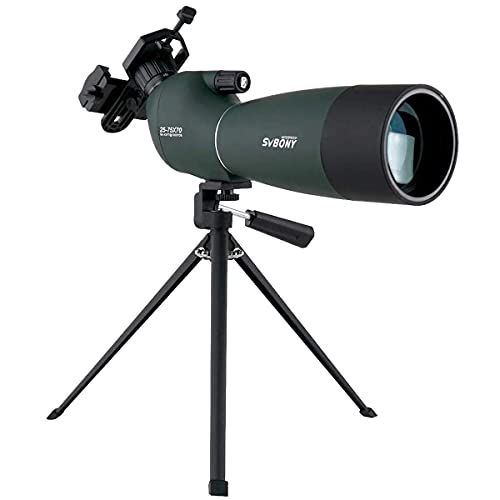
SVBONY SV28 Spotting Scopes with Tripod, Angled 25-75x70mm Spotter Scope with Phone Adapter, Waterproof Fogproof Spotting Scope for Bird Watching, Target Shooting, Wildlife Viewing
25-75x zoom: SV28 spotting scope is easy to focus and change magnification; easily set up when looking at…
As an affiliate, we earn on qualifying purchases.
As an affiliate, we earn on qualifying purchases.

Haikubox Bird Song & Call Identifier: 24/7 backyard sound identification
AI-Powered Bird Sound Identification: Bring nature inside your home, then get outside to experience it! Like the haiku…
As an affiliate, we earn on qualifying purchases.
As an affiliate, we earn on qualifying purchases.