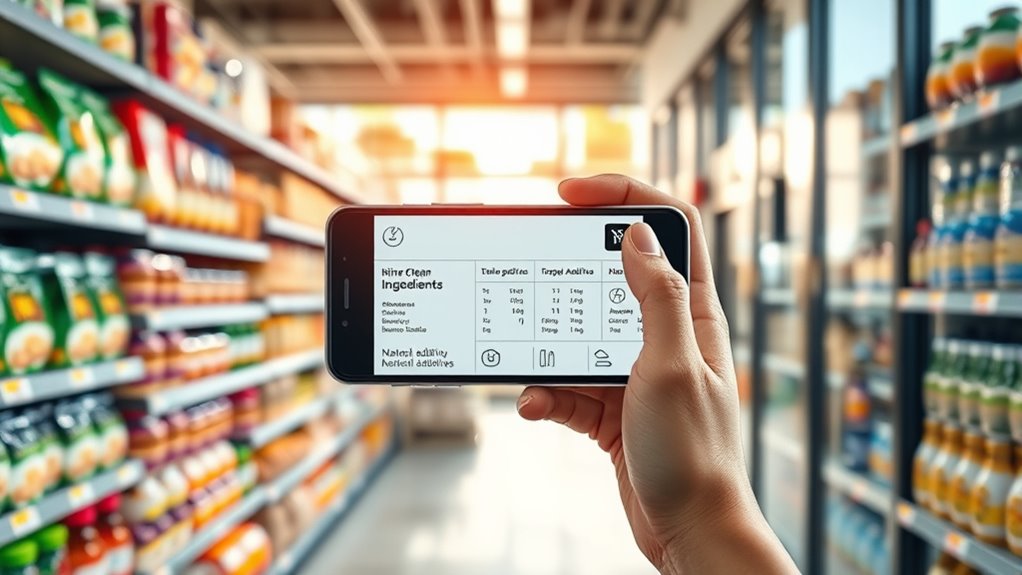

By 2025, food additive regulations will require clearer, more transparent labels, making it easier for you to understand ingredient lists. You’ll see labels that emphasize natural ingredients, with straightforward info about additives and fewer confusing or unrecognizable terms. Brands will reformulate products to meet stricter standards, boosting your confidence in their safety. If you want to know how these changes help you choose healthier options with transparency, keep exploring these upcoming trends.

Get home appliances delivered free with Prime
- Fast, free delivery on millions of items
- Prime Video, Amazon Music and more included
- Member-only deals all year
Key Takeaways
- Stricter regulations will require clearer ingredient disclosures and limit vague additive claims on labels.
- Brands will reformulate products to remove questionable additives and meet transparency standards.
- Labels will emphasize natural ingredients and minimal processing to align with evolving policies.
- Enhanced regulatory compliance will boost consumer trust and confidence in food products.
- Clearer labels will serve as reliable guides for health-conscious and informed purchasing decisions.
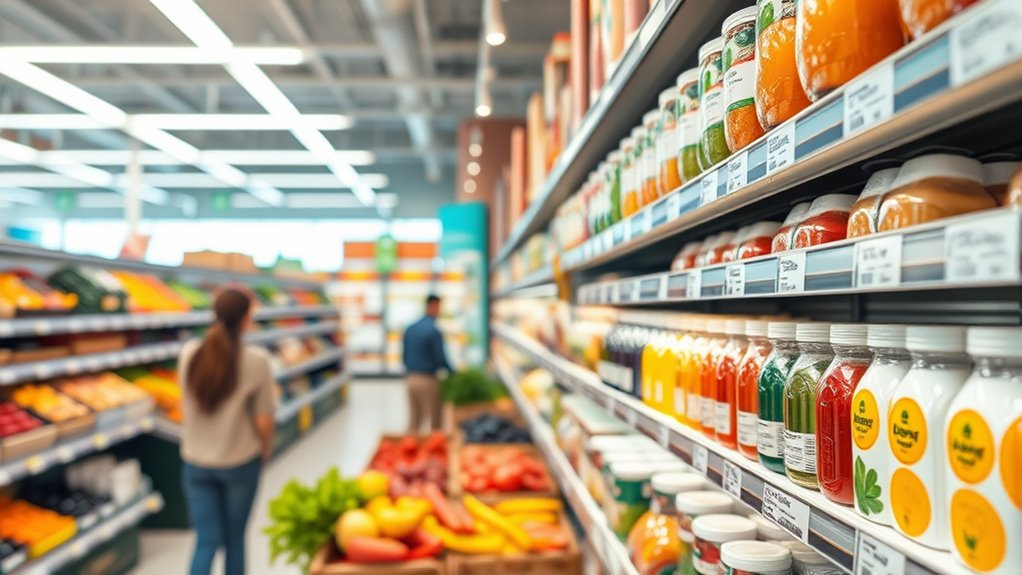
As consumers become increasingly aware of what’s in their food, clean food labels are set to become more transparent and trustworthy by 2025. This shift is driven by a rising demand for clarity, prompting food manufacturers to prioritize regulatory compliance and clear labeling practices. Regulatory agencies are tightening rules around food additives, requiring brands to disclose ingredients more accurately and avoid vague or misleading claims. For you, this means that labels will more accurately reflect what’s inside your food, helping you make informed choices quickly and confidently. Brands will need to align their labels with these evolving standards, ensuring they meet the new regulations or risk losing consumer trust. When labels are compliant, they send a message that the company values transparency and honesty, which can considerably influence consumer perceptions. You’ll likely see fewer ambiguous terms or unrecognizable ingredients, and more straightforward information about additives, preservatives, or artificial components. As a result, your perception of a brand shifts—you’re more inclined to trust products that clearly state what’s in them and adhere to strict regulatory compliance. This transparency isn’t just about legal requirements; it’s about building a relationship of trust between you and the companies that produce your food. You’ll notice that labels will emphasize natural ingredients, minimal processing, and “clean” certifications, all of which align with regulatory standards designed to protect consumer health. As these regulations become more rigorous, manufacturers are motivated to reformulate products to meet new criteria, reducing reliance on questionable additives and focusing on safer, more natural ingredients. For you, this means less guesswork when selecting products; labels will serve as reliable indicators of food quality and safety. The improved clarity will also influence your perceptions of food brands—those committed to transparency and regulatory compliance will stand out as trustworthy. Over time, you may develop a preference for brands that prioritize honesty and adhere strictly to these new regulations, reinforcing a cycle of accountability within the industry. Ultimately, these regulatory changes aim to empower you as a consumer, giving you clearer, more trustworthy information about your food. By 2025, you can expect labels that not only meet compliance standards but also enhance your confidence in choosing healthier, more transparent products. This evolution in food labeling aligns with your desire for honesty and simplicity, making your shopping experience more straightforward and your dietary decisions more confident. Additionally, the increased focus on regulatory compliance will encourage brands to adopt more natural and minimally processed ingredients, further benefiting your health and well-being.
Products Worth Considering

LG OLED evo C4 55-Inch 4K Smart OLED TV (OLED55C4PUA) with 144Hz Refresh Rate, HDMI Cable, 24-Month Protection Plan, and Streaming Bundle

Samsung 55-Inch S90H OLED 4K UHD Smart TV Bundle with Full-Motion Mount and Surge Protector

Bose TV Speaker Compact Soundbar with Bluetooth and HDMI-ARC, Black
As an affiliate, we earn on qualifying purchases.
Frequently Asked Questions
How Will Global Regulations Harmonize by 2025?
By 2025, global regulations will harmonize through stronger international standards and regulatory alignment efforts. You’ll notice countries collaborating more closely to create consistent rules for food additives, making it easier for you to understand ingredient labels and trust product safety. This unified approach aims to reduce confusion, streamline compliance, and promote transparency across borders, ensuring that your access to safe, clean-labeled foods is more reliable regardless of where you shop or eat.
Will Clean Labels Affect Food Pricing Significantly?
Clean labels will likely increase food prices due to stricter regulations on label transparency and ingredient sourcing. You might notice higher costs as companies invest in better sourcing practices and clearer labeling to meet new standards. While this could raise prices initially, it also encourages brands to prioritize quality and transparency, ultimately benefiting consumers who want trustworthy, ingredient-sourced products. Expect some short-term price adjustments, but long-term gains in product integrity.
What Role Will Technology Play in Monitoring Additive Use?
Think of technology as a vigilant lighthouse guiding your food choices. AI oversight will continuously monitor additive use, flagging any discrepancies in real-time. Blockchain transparency acts like an unbreakable chain, providing a clear record of every additive’s origin and approval. Together, these tools help guarantee your food is safe and compliant, giving you peace of mind with each bite.
Are There Any Exemptions for Small Producers?
Yes, small producers might benefit from exemptions like small producer exemptions, which aim to facilitate compliance. However, you should watch out for regulatory loopholes that could allow certain additives to slip through less strict oversight. These exemptions often vary by region and product type, so it’s essential to stay informed and ensure your products meet all safety standards without falling into these loopholes.
How Will Consumer Preferences Influence Future Regulations?
Consumer activism and demand for label transparency will likely shape future regulations markedly. You’ll see regulators responding to consumers who push for clearer ingredient lists and safer additives. As you prioritize clean labels, companies will be pressured to adopt stricter standards, making food labels more transparent. This shift empowers you to make informed choices, encouraging producers to meet higher transparency standards and improve overall food safety and quality.
Conclusion
By 2025, nearly 70% of consumers will prioritize clean labels, making regulation changes essential. Understanding what food additive rules mean helps you make smarter choices and avoid hidden ingredients. As labels become clearer, you’ll feel more confident in what you’re eating. Stay informed—your health depends on it. With regulations evolving, being aware now can help you navigate the grocery aisles more confidently and keep your diet truly clean.