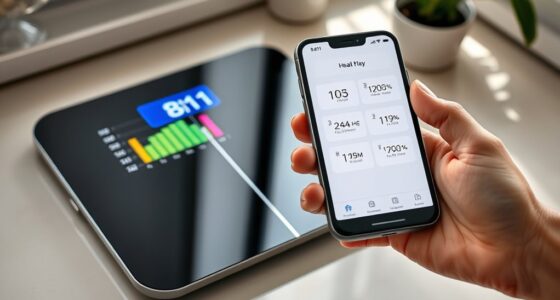
Sleep tracking technologies can be helpful by providing you with insights into your sleep habits and promoting healthier routines. However, they also come with privacy concerns, as sensitive data may be shared or stored insecurely. Accuracy can vary, and relying solely on these devices might lead to misinterpretations. To get the most benefit, use them alongside medical advice and review privacy settings carefully. If you want to understand how to maximize their advantages and protect your data, keep exploring further.
Key Takeaways
- Sleep trackers can provide valuable insights into sleep patterns, promoting healthier habits and awareness of sleep quality.
- Privacy concerns arise due to sensitive health data collection and potential sharing with third parties.
- Data accuracy varies; devices may misinterpret restlessness or miss subtle sleep disturbances, affecting reliability.
- Use sleep tracking as a supplement to medical advice, not a sole diagnostic tool, and review privacy policies carefully.
- While helpful for monitoring trends and motivating improvements, they should be used alongside good sleep hygiene and professional guidance.
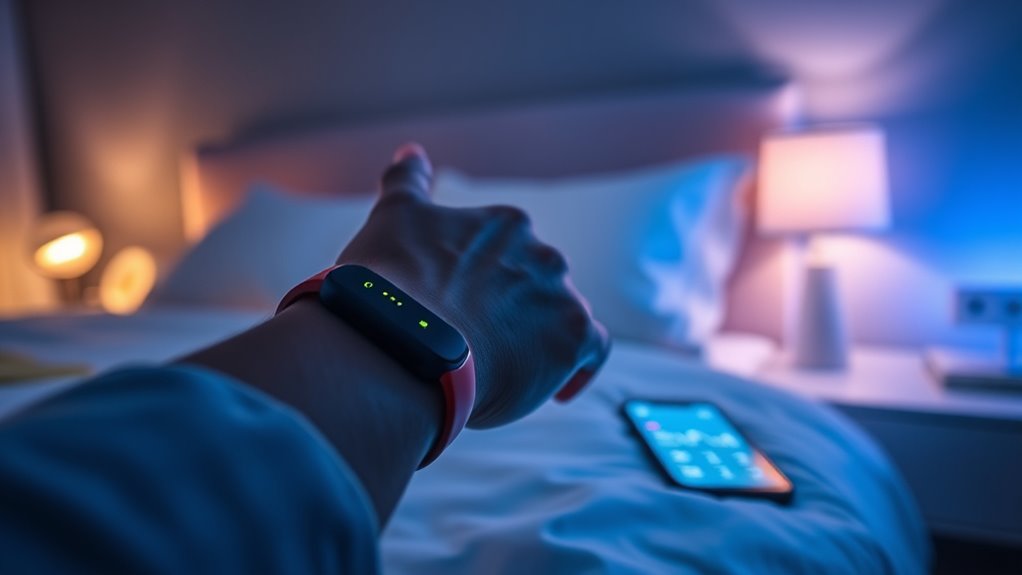
Sleep tracking technologies have become increasingly popular as more people seek to understand and improve their sleep quality. These devices, from wearable wristbands to smartphone apps, promise insights into your sleep patterns, helping you identify issues and make healthier choices. However, as you rely more on these tools, you might start wondering about the privacy concerns involved. Many sleep trackers collect sensitive data about your sleep habits, routines, and even health-related information. This raises questions about how securely your data is stored and whether it might be shared with third parties, such as advertisers or researchers, without your explicit consent. You should be cautious about the privacy policies of these devices and think about whether you’re comfortable with the amount of personal information they gather and transmit.
Another critical aspect to consider is data accuracy. While many sleep trackers use advanced sensors and algorithms, their readings aren’t always perfectly reliable. You might notice discrepancies between what your device reports and how you actually feel or sleep. For example, a tracker could mistakenly interpret periods of restlessness as wakefulness or miss brief awakenings altogether. This inaccuracy can lead you to make misguided decisions based on faulty data, such as unnecessarily changing your sleep routine or worrying about issues that aren’t really there. This highlights the importance of understanding the limitations of sleep tracking technology to avoid over-reliance on potentially flawed information. It’s essential to understand the limitations of these technologies and not rely solely on them for diagnosing sleep problems or making health decisions. Instead, use them as a supplemental tool alongside professional medical advice.
Despite these concerns, many users find sleep tracking beneficial because it provides a tangible way to monitor sleep trends over time. When used correctly, these devices can motivate you to improve your sleep environment, establish better routines, and recognize patterns you might not notice on your own. Still, it’s important to approach these tools with a critical eye. Be aware of potential privacy issues and the fact that data accuracy can vary. Always review privacy policies before sharing your information, and think about using devices with strong security measures. Remember that no technology is perfect, and sleep trackers should complement, not replace, good sleep hygiene and medical consultation. By staying informed and cautious, you can maximize the benefits of sleep tracking while minimizing potential drawbacks.
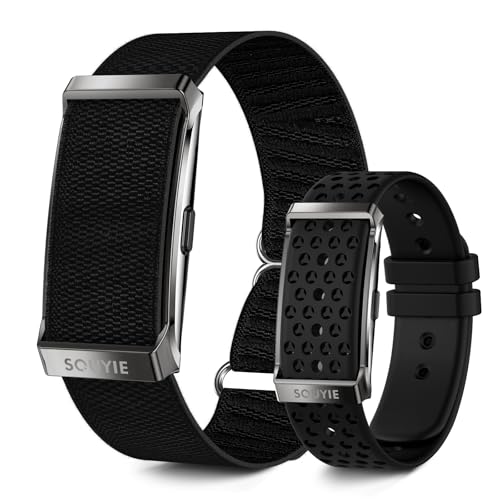
Smart Bracelet for Men Women, Health Activity Fitness Trackers, 24H Sleep Tracker, 24/7 Continuous Heart Rate/Blood Pressure/HRV/Stress Monitor, 170+ Sports Modes Smart Wristband with Free APP 2 Bands
【24/7 Continuous Health Tracking】Experience 24/7 continuous health tracking with SOUYIE fitness tracker. Advanced sensors and AI algorithms continuously…
As an affiliate, we earn on qualifying purchases.
As an affiliate, we earn on qualifying purchases.
Frequently Asked Questions
How Accurate Are Sleep Tracking Devices Compared to Polysomnography?
Sleep tracking devices are generally less accurate than polysomnography, but their accuracy depends on device calibration and algorithm precision. You might find that consumer devices capture basic sleep patterns well, but they often struggle with detailed stages or detecting disturbances. While they provide helpful insights, remember that their algorithms aren’t as sophisticated as clinical tools. Use them as guides, but don’t rely solely on their data for serious sleep issues.
Can Sleep Trackers Detect Sleep Disorders Like Sleep Apnea?
Sure, sleep trackers may seem like your personal sleep doctor, but don’t rely on them to detect sleep disorders like sleep apnea. Their limitations mean they often miss or misinterpret symptoms, giving you false reassurance. Ironically, the more you depend on these devices, the less you listen to your body’s signals. For serious issues, always consult a healthcare professional instead of trusting your sleep tracker’s limited insights.
Do Sleep Tracking Apps Improve Overall Sleep Quality?
Yes, sleep tracking apps can improve your overall sleep quality. They encourage better sleep hygiene by helping you understand your sleep patterns and habits. When you actively engage with the app’s insights and tips, you’re more likely to make positive changes. This user engagement motivates you to establish consistent routines, reduce disturbances, and prioritize rest, ultimately leading to more restorative sleep and better health.
Are There Privacy Concerns With Sleep Tracking Data?
You should know that about 80% of users worry about privacy issues with sleep tracking data. Privacy concerns are real, especially regarding data security and how your information is shared. Always check if apps require user consent and understand their privacy policies. Protect your data by choosing reputable apps that prioritize security, so your sleep patterns stay private and safe from misuse or breaches.
How Do Sleep Trackers Affect Sleep Behavior and Habits?
Sleep trackers can positively influence your sleep behavior by promoting better sleep hygiene and encouraging consistent bedtime routines. When you monitor your sleep patterns, you become more aware of habits that impact rest, prompting you to make healthier choices. However, they might also cause anxiety or obsession about sleep quality. Ultimately, if used mindfully, sleep trackers can help you develop habits that lead to more restful, restorative sleep.

Smart Ring Health Tracker, Sleep/Exercise Monitoring, iOS /Android Compatible, IP68 Water Resistance, No Subscription Required, 5-Day Battery Life, Suitable for Both Women and Men (Rose Gold, 10)
【Check the Size Before Purchase】 Before buying the BIEMHA Smart Ring, we strongly suggest that you refer to…
As an affiliate, we earn on qualifying purchases.
As an affiliate, we earn on qualifying purchases.
Conclusion
So, next time you strap on that shiny sleep tracker, remember: it’s your new best friend or your worst enemy. Will it help you snooze better or just keep you awake obsessing over every beep and buzz? Maybe it’s time to trust your instincts instead of those glowing screens. After all, sometimes your body knows what it needs—no gadget required. Sleep tight, or at least, don’t let the data bite.

JUST ON SLEEP Smart Sleep Tracker – Non-Wearable Sleep Monitor with Advanced Sleep Analysis, Breathing Monitoring, Emergency Alerts, AI Sound Therapy & App Control
🛏️ Non-Wearable Smart Sleep Tracker : Track your sleep in real time without wearing anything. Simply place the…
As an affiliate, we earn on qualifying purchases.
As an affiliate, we earn on qualifying purchases.
JUST ON SLEEP Smart Sleep Tracker – Non-Wearable Sleep Monitor with Advanced Sleep Analysis, Breathing Monitoring, Emergency Alerts, AI Sound Therapy & App Control
🛏️ Non-Wearable Smart Sleep Tracker : Track your sleep in real time without wearing anything. Simply place the…
As an affiliate, we earn on qualifying purchases.
As an affiliate, we earn on qualifying purchases.