Using computer vision to grade olive oil color allows you to get quick, objective, and consistent results that improve quality control. By capturing high-quality images under controlled lighting and analyzing color parameters like L*a*b* values, you can detect subtle shade differences often missed visually. This technology streamlines your processes, cuts down evaluation time, and reduces human bias. If you continue exploring, you’ll discover how this approach integrates seamlessly into your overall quality management system.
Key Takeaways
- Computer vision analyzes high-quality images under controlled lighting to objectively measure olive oil color parameters like L*a*b* values.
- Automated color analysis ensures consistent, reproducible grading results, reducing human bias and error.
- Integrating computer vision streamlines quality control by providing rapid, quantifiable color data for decision-making.
- It detects subtle color differences that may indicate quality variations or adulteration, enhancing overall assessment accuracy.
- Combining color analysis with other sensors offers a comprehensive approach to olive oil quality and authenticity verification.
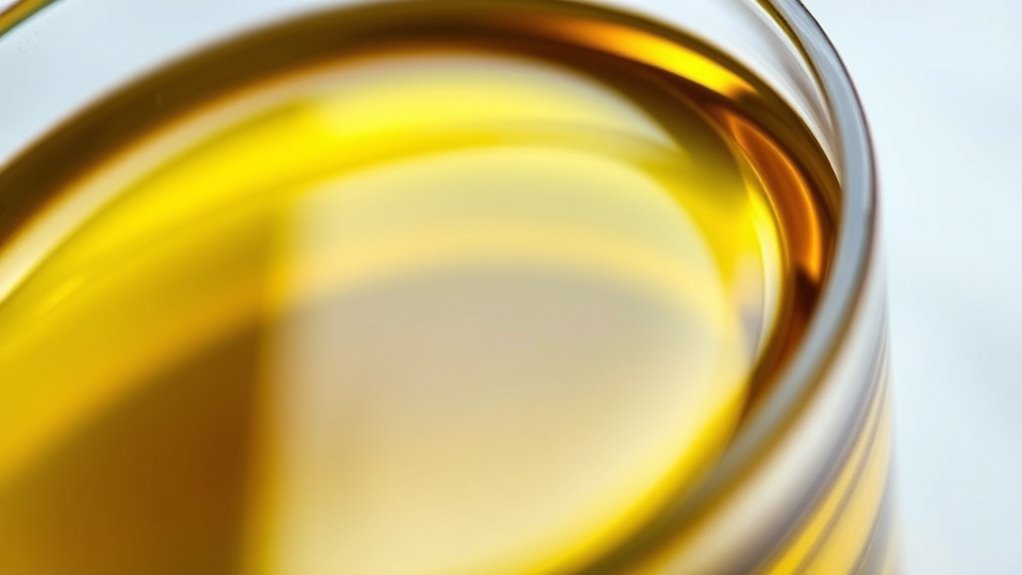
Using computer vision to grade olive oil color offers a faster, more objective alternative to traditional visual assessments. When you rely on manual methods, it’s easy for personal bias, lighting conditions, and human error to influence your judgment. By integrating computer vision, you can standardize olive oil grading, ensuring consistent results across different batches and producers. This technology leverages advanced color analysis techniques to evaluate the oil’s hue, intensity, and saturation, providing precise data that correlates with quality standards. Instead of subjective opinions, you get quantifiable metrics that help you make informed decisions about the oil’s quality, authenticity, and classification.
Computer vision standardizes olive oil grading with objective, precise color analysis to improve consistency and quality assurance.
Color analysis techniques in computer vision involve capturing high-quality images of the oil samples under controlled lighting conditions. These images are then processed through algorithms that analyze the color distribution within the sample. The system measures parameters like L*a*b* values, which represent lightness and color dimensions, offering a detailed profile of the oil’s appearance. This approach allows you to detect subtle differences in color shades that might be overlooked or inconsistent when assessed visually. As a result, olive oil grading becomes more accurate, reliable, and replicable.
You can also integrate this technology into your quality control process to streamline operations. Automated color analysis reduces the time needed to evaluate each batch, accelerating decision-making and reducing labor costs. Plus, because the system is based on objective data, it minimizes disputes or disagreements about grading results among team members or clients. This consistency is especially essential in markets where olive oil color directly impacts perceived quality and value, such as premium extra virgin classifications.
Moreover, computer vision’s ability to standardize olive oil grading extends beyond just color assessment. When combined with other sensors and data points—like chemical composition or sensory analysis—your overall quality control becomes more detailed. This holistic approach helps safeguard your brand’s reputation by ensuring that every batch meets strict quality standards. As technology advances, the accuracy of color analysis techniques continues to improve, enabling you to detect even minor deviations that could indicate adulteration or processing issues.
In addition, leveraging advanced color analysis techniques can help you identify subtle variations that might be linked to specific olive varieties or harvest conditions, further enhancing your grading precision.
In essence, adopting computer vision for olive oil color grading transforms a subjective, variable process into a precise, scalable, and unbiased system. It empowers you with consistent, reliable data, making your quality assurance more efficient and trustworthy. By embracing these color analysis techniques, you’re not just modernizing your workflow but also reinforcing confidence in your product’s quality—something that consumers and stakeholders increasingly demand.
olive oil color grading device
As an affiliate, we earn on qualifying purchases.
As an affiliate, we earn on qualifying purchases.
Frequently Asked Questions
How Accurate Is Computer Vision Compared to Human Graders?
You might wonder how computer vision compares to human graders in accuracy. It generally offers better consistency because it relies on objective measurements, reducing subjectivity calibration issues. With high-quality data, computer vision systems guarantee data consistency, leading to reliable grading. While humans can be influenced by personal bias, computer vision provides standardized results, making it a promising tool for accurate, repeatable olive oil color assessment.
Can Computer Vision Detect Olive Oil Adulteration?
You might wonder if computer vision can detect olive oil adulteration. It’s quite effective for olive oil fraud and adulteration detection, as it analyzes color and visual features to identify inconsistencies. While human testers rely on sensory evaluation, computer vision offers a rapid, objective method to spot adulteration signs. This technology enhances quality control, reduces fraud, and guarantees consumer trust by accurately identifying adulterated oils.
What Are the Cost Implications of Implementing This Technology?
You might think implementing this technology costs too much, but a thorough cost analysis reveals long-term savings through improved accuracy and efficiency. While there are initial implementation challenges like equipment investment and staff training, these are offset by reduced manual grading errors and faster processing. Ultimately, embracing computer vision can boost your quality control and competitiveness, making the investment worthwhile despite upfront costs.
How Does Lighting Affect Computer Vision Color Assessments?
Lighting considerably impacts computer vision color assessments because inconsistent lighting can cause calibration challenges. When lighting varies, your system might misjudge color tones, leading to inaccurate evaluations. To guarantee reliable results, you need to maintain lighting consistency and regularly calibrate your setup. Proper lighting controls help your computer vision system accurately analyze olive oil color, reducing errors and improving grading precision.
Is This Technology Applicable to Other Types of Edible Oils?
You bet it’s applicable! When it comes to edible oils, maintaining color consistency and guaranteeing oil authenticity are vital. Computer vision technology can easily adapt to different oil types, helping you spot adulteration and verify quality quickly. It’s like hitting two birds with one stone — saving time while enhancing accuracy. So, whether it’s sesame, avocado, or canola oil, this tech can efficiently guarantee your products meet standards.
computer vision olive oil quality tester
As an affiliate, we earn on qualifying purchases.
As an affiliate, we earn on qualifying purchases.
Conclusion
By leveraging computer vision, you can accurately and efficiently grade olive oil color, ensuring quality and consistency. Did you know that visual assessments alone can be off by up to 20%? This technology minimizes human error and speeds up the grading process, making it more reliable. As you adopt these tools, you’ll improve product quality and customer satisfaction, all while staying ahead in the competitive olive oil market. Embrace innovation to transform traditional grading methods today.
olive oil color analysis sensor
As an affiliate, we earn on qualifying purchases.
As an affiliate, we earn on qualifying purchases.
automated olive oil grading system
As an affiliate, we earn on qualifying purchases.
As an affiliate, we earn on qualifying purchases.