Dynamic itinerary planning with machine learning makes your travel experience more personalized and flexible. It analyzes your past trips, preferences, and real-time data to craft tailored suggestions. As your plans change, it quickly adjusts, considering factors like weather or crowd levels. This technology optimizes your day based on your energy and interests, reducing stress and maximizing enjoyment. If you want to discover how these innovations will reshape your future trips, keep exploring further.
Key Takeaways
- Machine learning enables personalized travel itineraries based on individual preferences, search history, and social media activity.
- Real-time data processing allows dynamic itinerary adjustments for weather changes, attraction closures, or unexpected events.
- Multi-factor optimization considers travel time, crowd levels, and personal energy, creating efficient, enjoyable plans.
- Continuous learning refines recommendations over time by analyzing user feedback and behavior patterns.
- Privacy policies ensure data use is transparent, while technological advancements promise increasingly responsive and intuitive travel planning.

Planning an itinerary can be a complex task, but machine learning is transforming how we approach it. Instead of relying solely on static guides or generic recommendations, you now get personalized suggestions tailored specifically to your preferences, interests, and travel habits. This technology analyzes your past trips, search history, and even social media activity to craft an itinerary that resonates with your unique tastes. As a result, your travel plans become more relevant and enjoyable, making every moment of your trip feel thoughtfully curated just for you.
One of the standout advantages of machine learning in itinerary planning is its ability to facilitate real-time adjustments. When you’re on the move, unexpected changes—like weather shifts, closed attractions, or sudden interest in a nearby spot—can disrupt your plans. Machine learning algorithms can process live data and suggest immediate modifications, helping you optimize your day without stress. For example, if a popular museum unexpectedly closes, your app can recommend alternative activities nearby, considering your preferences and available time. This seamless adaptability ensures your trip remains smooth and personalized, even when circumstances evolve unexpectedly.
Moreover, these intelligent systems consider multiple factors simultaneously, such as travel time between locations, opening hours, crowd levels, and your personal energy levels throughout the day. This holistic approach leads to more efficient itineraries that maximize your experiences while minimizing downtime or travel fatigue. You don’t have to manually juggle these details; the technology handles it, freeing you to focus on enjoying your journey.
Another benefit is that machine learning-powered planning tools continuously learn from your feedback and behaviors. If you skip certain suggestions or spend extra time at specific spots, the system takes note and refines future recommendations accordingly. Over time, your itinerary becomes more aligned with your evolving preferences, making each trip more tailored and satisfying than the last.
Additionally, awareness of privacy and cookie policies is important when using these digital planning tools, as they often collect and analyze your personal data to improve recommendations. In essence, machine learning elevates itinerary planning from a static, often stressful chore into a dynamic, intuitive process. It offers personalized suggestions that fit your unique tastes and adapts in real time to changing conditions. This means you spend less time worrying about logistics and more time immersing yourself in your travel experience. As technology advances, expect these intelligent systems to become even more sophisticated, providing you with smarter, more responsive travel recommendations that make every trip memorable.
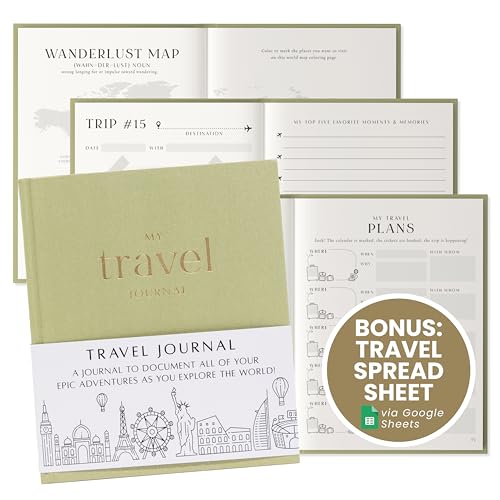
Inspired Ink Travel Journal for Women and Men Travel Bucket List Journal 210 Pages Traveler Adventure Notebook – Itinerary Planner Organizer & Traveling Memory Diary Memorial Gift for Travelers – Green
- Travel Planner for 15 Trips: 210 pages for multiple journeys
- Memory Journal with Keepsake Spaces: Doodles, sketches, and mementos
- High-Quality Linen Hardcover: Elegant and durable design
As an affiliate, we earn on qualifying purchases.
As an affiliate, we earn on qualifying purchases.
Frequently Asked Questions
How Do Machine Learning Algorithms Adapt to Sudden Travel Disruptions?
You can expect machine learning algorithms to quickly adapt to sudden travel disruptions through real-time adaptive strategies. They analyze live data, such as delays or cancellations, and instantly suggest alternative plans. This disruption management guarantees your itinerary adjusts smoothly, minimizing inconvenience. By continuously learning from new information, these algorithms optimize your travel experience, keeping you informed and flexible in unpredictable situations.
Can Travelers Customize Machine Learning-Generated Itineraries Based on Personal Preferences?
Yes, you can customize machine learning-generated itineraries based on your personal preferences. Many platforms offer personalization options, allowing you to adjust activities, destinations, and travel pace. Your user feedback helps refine future recommendations, making itineraries more tailored to your tastes. By actively providing input, you guarantee that the system learns what you like, creating a more enjoyable and personalized travel experience that aligns with your unique interests.
What Data Privacy Measures Are in Place for User Travel Information?
Think of your travel data as a treasure chest. You’re the guardian, and encryption protocols are your mighty locks, safeguarding your secrets. Before any journey begins, you give your user consent, like handing over a key only you hold. This way, your information stays private, protected from prying eyes. Rest assured, strict privacy measures keep your travel details secure, ensuring your adventure remains personal and safe.
How Do Machine Learning Models Handle Unfamiliar or New Destinations?
When you explore new destinations or unfamiliar locations, machine learning models adapt by analyzing patterns from similar places and user preferences. They leverage data from related destinations to generate tailored recommendations, even if the location is new. The models continuously learn from user feedback and updated information, improving their accuracy over time. This way, your travel plans stay personalized and relevant, no matter how unfamiliar the destination might seem.
What Are the Limitations of Current Machine Learning Approaches in Itinerary Planning?
Did you know 60% of travelers report less satisfaction with AI-generated itineraries? Current machine learning approaches face limitations like algorithm bias and data scarcity, which can skew recommendations or leave gaps in information. These issues hinder personalized planning, especially for lesser-known destinations. As a result, your travel plans might not fully match your preferences, highlighting the need for better data collection and unbiased algorithms to improve future itinerary suggestions.
Conclusion
As you embrace machine learning, your travel plans become more personalized and efficient. Imagine a recent study showing 78% of travelers prefer dynamic, AI-driven itineraries over static guides. This shift highlights how technology transforms travel experiences, making them more tailored and spontaneous. By leveraging machine learning, you can access smarter, more adaptable adventures that perfectly fit your interests. The future of travel is here—more personalized, seamless, and exciting than ever before.