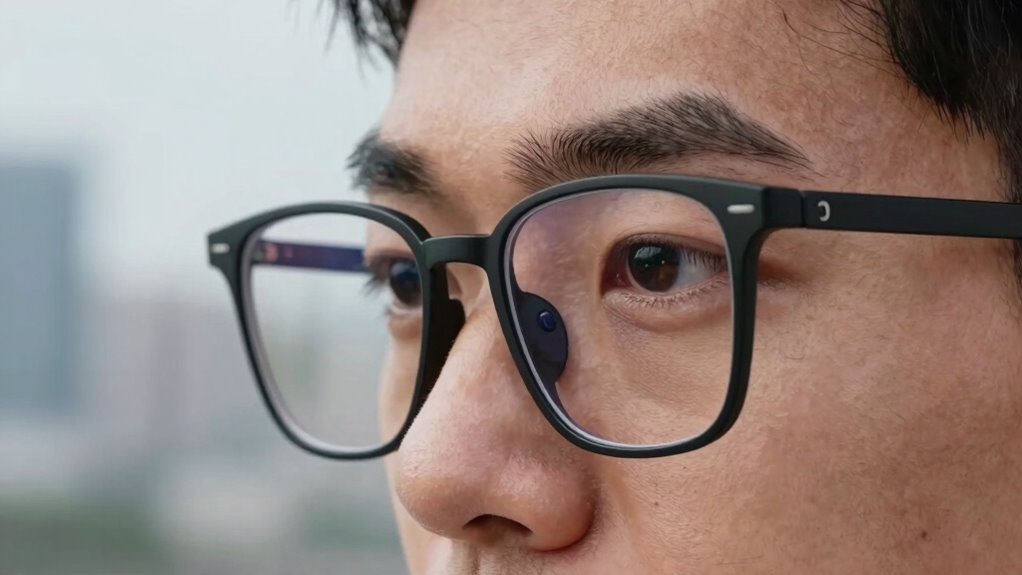

Using smart glasses and wearable cameras involves balancing privacy, etiquette, and legality. You need to be aware of laws that vary by location, obtain consent when recording private or sensitive moments, and respect others’ comfort. Proper use means keeping recordings discreet, securing data, and avoiding intrusive footage. Following best practices ensures you’re respectful and compliant. If you want to learn how to use your devices responsibly and legally, there’s more to take into account.

Get home appliances delivered free — and shop member deals
- Fast, free delivery on millions of items
- Access to Prime Big Deal Days deals on October 6–7
- Prime Video, Amazon Music and more included
Key Takeaways
- Understand and comply with local privacy laws before recording with smart glasses or wearable cameras.
- Obtain consent from individuals when recording in private or sensitive settings to respect their privacy rights.
- Use recordings responsibly, avoiding intrusive or unnecessary footage to maintain ethical standards.
- Implement security measures like data encryption to protect stored footage and personal information.
- Follow etiquette by being discreet, informing others of recordings, and respecting social and legal boundaries.
smart glasses with privacy features
As an affiliate, we earn on qualifying purchases.
As an affiliate, we earn on qualifying purchases.
What Are Smart Glasses and Wearable Cameras?
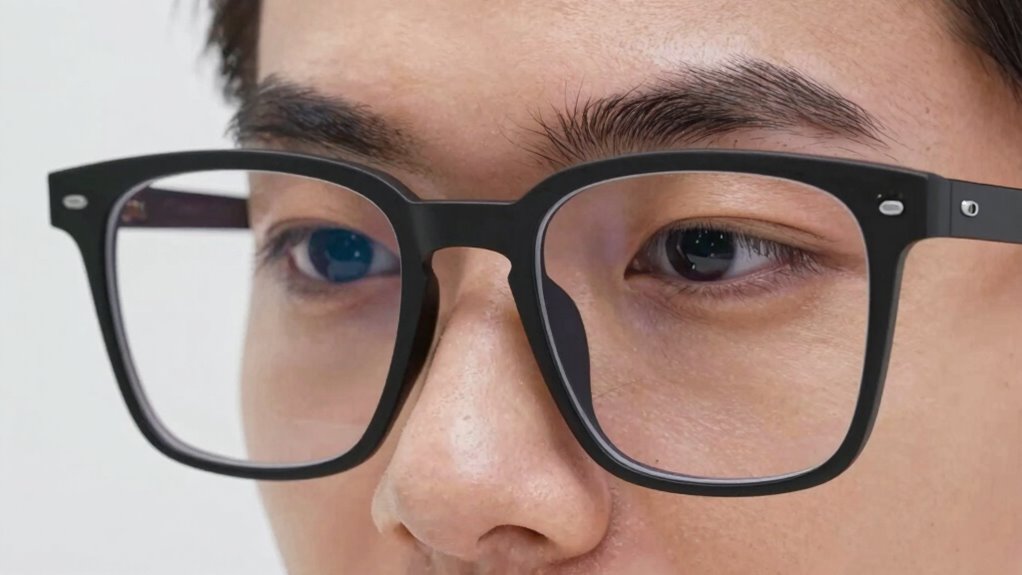
Have you ever wondered how smart glasses and wearable cameras work? These devices combine smart technology with augmented reality, creating an immersive experience that overlays digital information onto your real-world view. Smart glasses resemble regular eyewear but are equipped with sensors, cameras, and displays that respond to your movements and commands. Wearable cameras are compact, portable devices that capture photos and videos hands-free, often syncing with your smartphone. Both gadgets rely on advanced sensors and processors to process data in real-time, making interactions seamless. They’re designed to enhance productivity, entertainment, or communication. Additionally, the integration of projector technology in some smart glasses can project images or information directly onto surfaces, further expanding their capabilities. The development of energy-efficient components ensures these devices are sustainable and have longer battery life, making them practical for everyday use. As these devices become more widespread, understanding their privacy implications is essential for responsible use and compliance with legal standards. It is also important to consider wearable device regulations to ensure legal and ethical usage across different regions.
Are Wearable Cameras Legal? Understanding the Rules and Restrictions
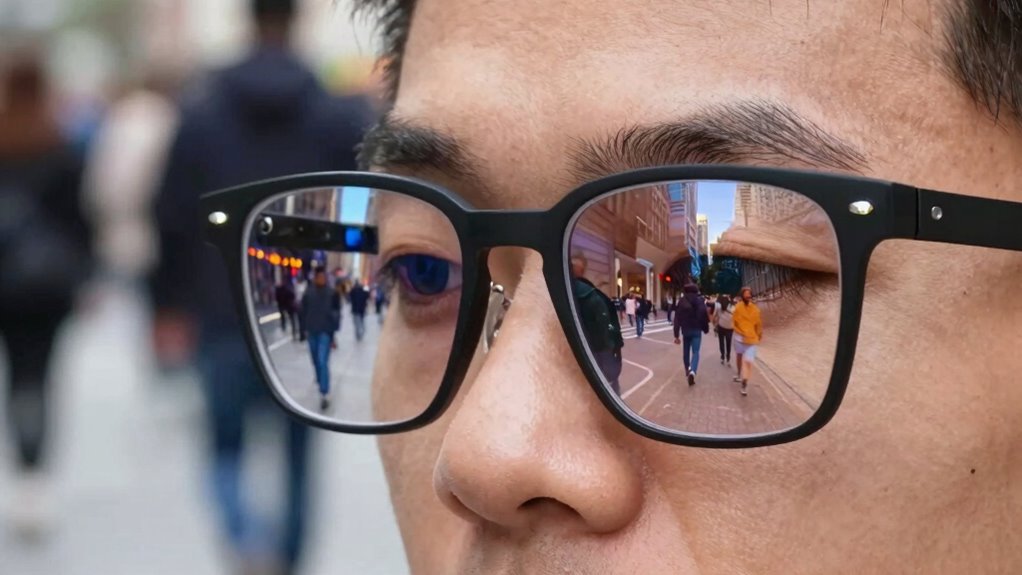
Understanding the legality of wearable cameras is essential before using them in public or private spaces. Legal considerations vary by location, so it’s important to know local privacy laws that may restrict recording without consent. Some jurisdictions require you to inform others when recording, especially in private settings, while others have strict rules against recording in certain places like bathrooms or locker rooms. Generally, recording in public is more permissible, but you still need to respect people’s privacy rights. Violating privacy laws can lead to legal consequences, including fines or lawsuits. Before using wearable cameras, research the specific rules in your area to ensure you stay within legal boundaries. Being aware of these restrictions helps you avoid infringing on others’ privacy rights. Additionally, understanding body piercing regulations and etiquette can help you navigate personal boundaries and avoid potential legal or social issues when recording in environments where body modifications are visible. It’s also advisable to familiarize yourself with the privacy rights of individuals to ensure respectful and lawful use of recording devices. Knowing privacy laws in your jurisdiction can prevent unintentional legal violations. Moreover, understanding website performance metrics can help you analyze how your recordings are shared or viewed, ensuring compliance with privacy standards. Being aware of local regulations related to surveillance can help you avoid accidental violations and maintain respectful recording practices.
How Do Wearable Cameras Impact Privacy? Key Concerns and Rights
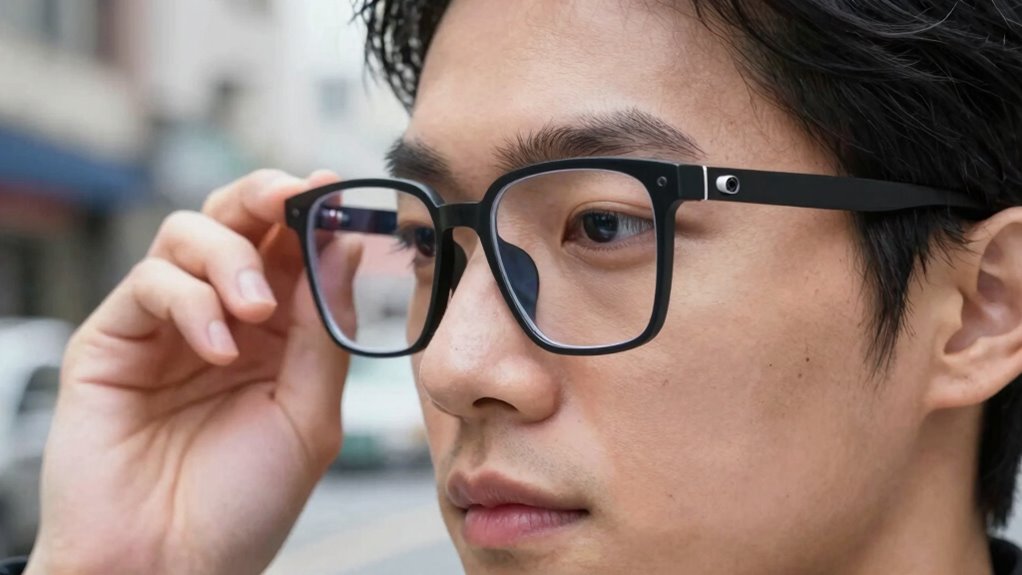
Wearable cameras can significantly impact privacy by capturing images and videos in ways that people might not anticipate or consent to. This raises key concerns about data privacy and ethical considerations. You should be aware that:
- Unauthorized recording can infringe on personal privacy rights.
- Collected data might be stored or shared without your knowledge.
- Ethical issues arise when recording sensitive or private moments.
- Laws vary, so understanding your rights and limitations is essential.
- Using vetted devices and adhering to best practices helps ensure responsible recording and respect for others’ privacy.
- The potential for misuse underscores the importance of understanding privacy laws relevant to wearable camera use in your jurisdiction. Additionally, educating yourself about ethical recording practices can help prevent unintentional harm or violations.
- Awareness of data protection measures can help safeguard both your recordings and the privacy of others involved.
These impacts can lead to discomfort or mistrust in public and private spaces. As a user, you must consider how your recordings affect others’ privacy and adhere to ethical standards. Protecting data privacy isn’t just about legal compliance; it’s about respecting individual rights and maintaining trust.
How to Use Wearable Cameras Politely and Respect Others

To use wearable cameras politely, you need to be mindful of how your recordings might affect others around you. Following professional etiquette means respecting people’s boundaries and comfort levels. Always seek consent if possible, especially when recording private conversations or intimate moments. Be aware of your surroundings and recognize when recording might be intrusive or inappropriate, such as in private homes, bathrooms, or medical settings. Keep recordings discreet and limit capturing unnecessary footage. Communicate openly with those nearby about your intention to record, demonstrating respect and transparency. Remember, respect for others’ privacy fosters trust and good relationships. Additionally, understanding privacy considerations can help you develop better techniques for crafting and finishing projects responsibly. Being familiar with woodworking fundamentals is also essential to ensure your recordings do not infringe on others’ rights or comfort levels. Practicing awareness of legal regulations helps prevent unintentional violations and promotes responsible use of technology. Staying informed about privacy laws can also guide you in making ethically sound decisions when recording in public or private spaces. Being attentive to ethical standards ensures that your use of wearable cameras aligns with community norms and personal integrity.
Protecting Privacy and Avoiding Legal Issues When Using Wearables
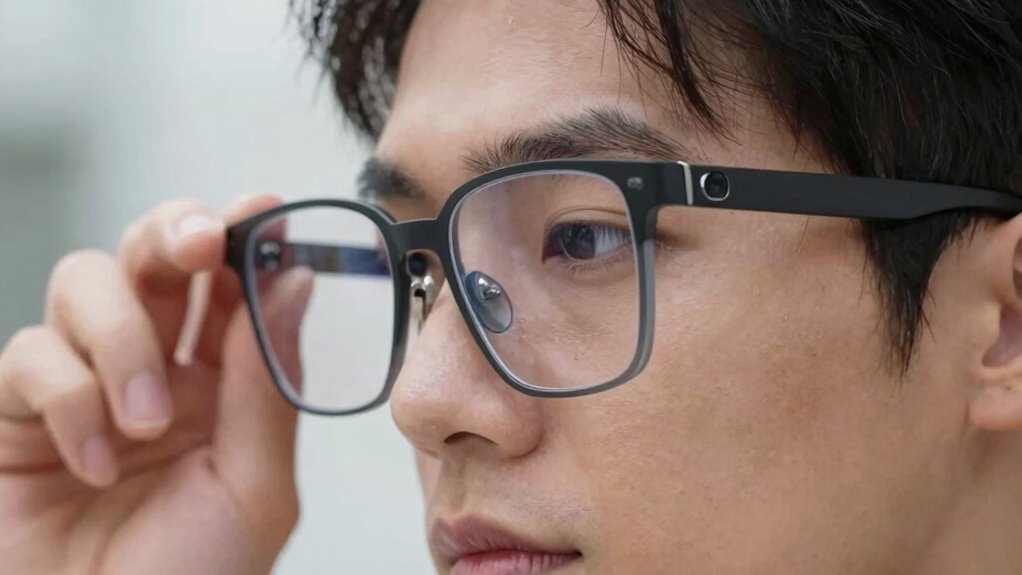
Since using wearables can easily infringe on others’ privacy or lead to legal trouble, it’s essential to be proactive about protecting both your rights and theirs. Here are four key steps:
Protect privacy and avoid legal issues by respecting consent, securing data, knowing laws, and recording only necessary moments.
- Always obtain user consent before recording or capturing images, respecting others’ privacy. User consent is a fundamental aspect of ethical wearable use. Being aware of privacy concerns related to wearable technology helps prevent potential conflicts and legal issues. Staying informed about regulatory frameworks ensures compliance and safeguards your use of wearable devices. Incorporating privacy policies into your usage practices further demonstrates responsible behavior.
- Use data encryption to safeguard any stored footage or personal information from unauthorized access.
- Stay informed about local laws and regulations regarding wearable technology use.
- Limit recordings to necessary moments, avoiding unnecessary or intrusive capturing.
- Be aware of automotive repair regulations and best practices to ensure compliance and avoid legal issues related to wearable device use.
Frequently Asked Questions
How Can I Disable or Limit Smart Glasses’ Recording Features?
To disable or limit your smart glasses’ recording features, you should access the device’s privacy settings. Many models allow you to toggle the camera disabling or turn off recording functions completely. Check your user manual or settings menu for options to restrict camera access or disable recording altogether. Regularly updating your device’s firmware can also guarantee privacy features are current and effective, giving you more control over when and how recording occurs.
What Are the Potential Health Risks of Prolonged Wearable Camera Use?
Like a gentle tide wearing down the shoreline, prolonged wearable camera use can lead to eye strain, causing your vision to blur like a foggy mirror. Skin irritation may also occur, feeling like a rash of prickly thorns against your skin. Over time, these effects can build up, making you uncomfortable and distracted. To protect yourself, take regular breaks and keep the devices clean, like tending to a delicate garden.
Can Wearable Cameras Be Hacked or Data Stolen?
Yes, wearable cameras can be hacked or data stolen. Cybersecurity threats target these devices, risking your data privacy. Hackers may access your camera feeds or personal information if you don’t use strong passwords, keep software updated, and enable security features. Stay vigilant and cautious, because neglecting cybersecurity measures puts your sensitive footage and personal data at risk of unauthorized access and misuse.
Are There Specific Industries With Stricter Wearable Camera Regulations?
Did you know that healthcare and aviation industries have the strictest wearable camera regulations? You need to prioritize legal compliance and workplace surveillance rules in these fields. For example, healthcare settings must safeguard patient privacy under HIPAA, while aviation requires careful handling of sensitive information. If you work in these industries, you should stay informed about specific regulations to avoid legal issues and ensure responsible use of wearable cameras.
How Do Cultural Differences Influence Wearable Camera Etiquette?
Cultural differences greatly influence wearable camera etiquette, so you should always consider cultural sensitivity and privacy norms. In some societies, recording others without permission is seen as intrusive, while in others, it’s more accepted. You need to be aware of local customs and ask for consent when necessary. Respecting these cultural norms not only shows your awareness but also helps avoid misunderstandings or offending anyone.
Conclusion
As smart glasses and wearable cameras become more common, it’s essential to respect privacy, follow legal guidelines, and practice good etiquette. Nearly 70% of Americans are concerned about being secretly recorded, highlighting the importance of responsible use. By understanding the rules and being considerate of others, you can enjoy the benefits of wearable tech without infringing on privacy or facing legal trouble. Staying informed helps you navigate this evolving landscape confidently and ethically.
Fall Picks
fall essentials
As an affiliate, we earn on qualifying purchases.