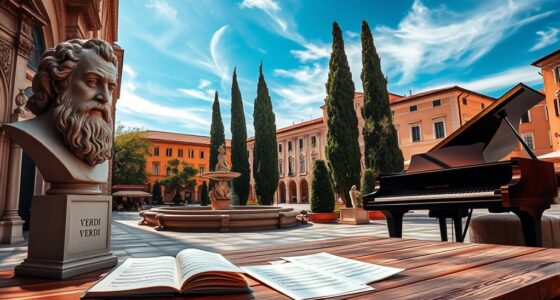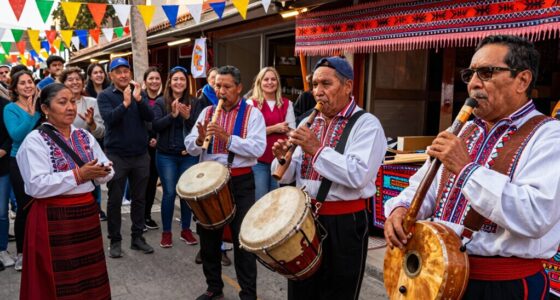
In southern Italy, you can see the enduring Italo-Greek heritage through language, art, and customs that still thrive today. Local dialects retain Greek roots, reflecting centuries of cultural fusion, while towns feature Byzantine-style mosaics, frescoes, and religious icons. Traditional festivals, music, and culinary practices also preserve Greek influence, connecting you to ancient traditions. Exploring further reveals how these elements blend history and living culture, offering a fascinating glimpse into Italy’s Greek past.

Get home appliances delivered free — and shop member deals
- Fast, free delivery on millions of items
- Access to Prime Big Deal Days deals on October 6–7
- Prime Video, Amazon Music and more included
Key Takeaways
- Southern Italy, especially Calabria, Apulia, and Basilicata, preserves Greek linguistic roots in local dialects and speech patterns.
- Architectural and artistic heritage, including mosaics and religious icons, reflects enduring Greek Byzantine influence.
- Religious festivals and customs incorporate Greek traditions like processions, music, and dance, maintaining cultural continuity.
- The region’s cultural identity is reinforced through active preservation of Greek language, art, and festive practices across generations.
- Greek culinary influences are evident in traditional recipes and ingredients passed down, blending local and ancient Greek flavors.

Southern Italy, particularly regions like Calabria, Apulia, and Basilicata, is a living affirmation to the enduring Italo-Greek heritage that has shaped its culture for centuries. When you explore these areas, you’ll notice how deeply the Greek influence runs through their language, art, and customs. This heritage isn’t just a historical footnote; it’s an essential part of daily life, preserved through generations. You might hear local dialects that still retain Greek roots, with words and pronunciations echoing ancient times. These dialects serve as living testaments to the cultural preservation efforts that keep Greek traditions alive in southern Italy.
Southern Italy’s dialects and traditions vividly preserve the enduring Greek influence across centuries.
In towns and villages, you’ll see architecture, mosaics, and religious icons that reflect a Greek aesthetic, showcasing a blend of Greek artistry and local craftsmanship. Many churches feature frescoes and icons that echo Byzantine styles, revealing how Greek artistic influence has persisted through centuries. You’ll also notice that local festivals and religious celebrations often incorporate Greek customs, such as processions, music, and dance, emphasizing the deep-rooted connection to Greek traditions. These customs aren’t just for show—they’re active expressions of cultural preservation, maintaining a link to a shared history that dates back to ancient Greece.
The Greek influence extends beyond tangible artifacts. It’s embedded in the very way people see the world—through a lens shaped by Greek philosophy, storytelling, and communal values. You’ll find that local cuisine also bears traces of Greek origins, with dishes and ingredients passed down through generations, often blending local flavors with ancient recipes. This culinary continuity is part of how the Italo-Greek heritage stays vibrant and relevant today.
As you travel through southern Italy, you become part of a living tradition that continues to thrive. The ongoing effort to preserve Greek influence isn’t just about maintaining old customs; it’s about keeping a shared identity alive amidst modern changes. Whether you’re listening to local dialects, admiring mosaics, or participating in festivals, you’ll experience firsthand how the Greek legacy has become intertwined with southern Italy’s cultural fabric. It’s a testament to resilience and the importance of cultural preservation, ensuring that this extraordinary heritage remains an essential part of the region’s identity for generations to come.
As an affiliate, we earn on qualifying purchases.
Frequently Asked Questions
How Has Italo-Greek Heritage Influenced Southern Italy’s Modern Cuisine?
You can see italo-greek heritage in southern Italy’s modern cuisine through fusion recipes that blend Greek and Italian flavors. You might enjoy dishes with ingredient adaptations like olive oil, oregano, and feta cheese, which reflect this cultural mix. These influences create unique culinary experiences, combining traditional Italian pasta and seafood with Greek spices and herbs, showcasing how historical heritage continues to shape contemporary Southern Italian flavors.
Are There Any Specific Festivals Celebrating Italo-Greek History Today?
You’ll find lively Greek festivals and heritage celebrations across southern Italy, where vibrant processions and traditional music symbolize the enduring Greek roots. During these events, ancient symbols like olive branches and meandering dances honor your Italo-Greek history. These festivals serve as colorful reminders of your rich heritage, blending Greek customs with local traditions, creating a vivid tapestry that keeps your ancestors’ legacy alive and celebrated for generations.
What Are the Primary Regions Where Italo-Greek Dialects Are Still Spoken?
You’ll find italo-greek dialects mainly in Calabria, especially in Bovesia, and Apulia’s Gargano area. These regions actively work on dialect preservation, which helps maintain their unique cultural identity. By speaking these dialects, locals keep alive centuries-old traditions and customs. Supporting local efforts guarantees this linguistic heritage persists, fostering a strong sense of community and connection to their Greek roots in Southern Italy.
How Does Italo-Greek Art Differ From Ancient Greek or Italian Styles?
You’ll notice that Italo-Greek art blends elements of ancient Greek and local traditions through fusion architecture and traditional crafts. Unlike pure Greek or Italian styles, it highlights a unique mix of motifs, colors, and techniques, often incorporating vibrant ceramics and intricate carvings. This fusion creates a regional aesthetic that celebrates both Greek influence and local cultural identity, making the art distinctively vibrant and culturally rich.
What Efforts Are Being Made to Preserve Italo-Greek Customs and Language?
You can get involved in linguistic revitalization programs that promote speaking Italo-Greek, helping to keep the language alive. Cultural preservation efforts, like festivals, museums, and community workshops, also play an essential role in celebrating and maintaining customs. Supporting local initiatives and educating others about this unique heritage ensures that these traditions and language are preserved for future generations. Your participation helps sustain this rich cultural legacy.
Conclusion
Your journey through the tapestry of Italo-Greek heritage reveals a living mosaic, where language, art, and customs intertwine like ancient roots buried deep beneath fertile soil. This vibrant culture, shimmering like a hidden gem in southern Italy’s crown, invites you to cherish its rich legacy. As you carry its spirit forward, remember that you’re holding a piece of history’s heartbeat—an enduring melody echoing through time, whispering stories of resilience, beauty, and timeless connection.
Fall yard work Picks
leaf blowers
As an affiliate, we earn on qualifying purchases.