Monastic life in Italy has a rich history, shaping the country’s spiritual and cultural identity through its abbeys. These historic sites aren’t just places of worship; they’re living monuments of devotion, with strong architecture, frescoes, and manuscripts that preserved knowledge and art. Monasteries fostered learning, craftsmanship, and community, leaving a lasting legacy. Exploring their stories reveals how monks and nuns contributed to Italy’s heritage and continues influencing culture today—there’s much more to discover about these remarkable sites.

Get home appliances delivered free with Prime
- Fast, free delivery on millions of items
- Prime Video, Amazon Music and more included
- Member-only deals all year
Key Takeaways
- Medieval Italian abbeys served as centers of worship, learning, and community life, shaping Italy’s cultural and religious history.
- Monasteries preserved classical texts through manuscript copying, contributing significantly to medieval intellectual development.
- Abbey art, including frescoes and illuminated manuscripts, conveyed religious stories and reinforced monastic discipline.
- Monastic routines involved prayer, work, and craftsmanship, reflecting spiritual devotion and dedication to art.
- Many abbeys remain active or preserved as historical sites, showcasing Italy’s rich monastic architectural and cultural legacy.

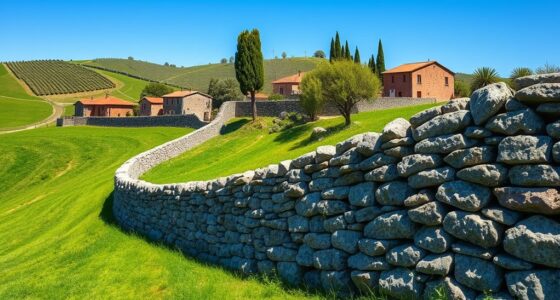
Have you ever wondered what daily life looks like for monks and nuns in Italy? Stepping into their world, you’d find yourself surrounded by centuries of history rooted in medieval monasteries. These structures aren’t just places of worship; they’re living monuments of monastic life, each with its own story woven into Italy’s cultural fabric. As you explore, you notice how the architecture reflects centuries of devotion, with sturdy stone walls, cloisters, and bell towers reaching for the sky. Inside, the atmosphere is quiet but vibrant with spiritual purpose.
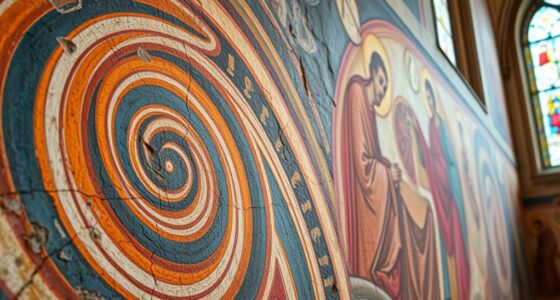
In medieval times, monasteries served as centers of learning, prayer, and community life. Monks and nuns dedicated their days to a strict routine that balanced prayer, work, and study. You’d see them copying manuscripts by hand, a laborious task that preserved classical texts and religious scriptures. This labor contributed profoundly to the intellectual growth of the Middle Ages, and many of these manuscripts are now treasured as priceless artifacts. The monasteries also became hubs of monastic art, where illuminated manuscripts, intricate carvings, and frescoes were created. These works of art weren’t just decorative; they conveyed religious stories and lessons to an often-impermanent congregation. When you gaze at medieval frescoes inside abbeys, you’re witnessing the visual language that monks and nuns used to educate and inspire.
Daily life in these monasteries was disciplined and immersive. You’d rise early for the first prayers of the day, then spend hours working—whether tending gardens, brewing herbal remedies, or maintaining the buildings. The monastic community was tightly knit, with shared meals and collective worship. Even in their solitude, monks and nuns found strength in their routine, which fostered a sense of purpose and spiritual focus. Their dedication to art and craftsmanship reflected their belief that creating beauty was a form of devotion. The art produced within these walls often carried symbolic meanings, reinforcing the spiritual lessons they aimed to teach both themselves and visitors.
Today, many of these medieval monasteries remain active or serve as historical sites, allowing you to step back into their world. Visiting, you can still see the remnants of monastic art, marvel at the craftsmanship, and imagine the lives of those who dedicated themselves to faith and culture. Their legacy endures not only in the architecture and art but also in the enduring influence of monastic traditions on Italy’s history. As you walk through these ancient halls, you gain a firsthand appreciation of how monks and nuns shaped Italy’s spiritual and cultural landscape for centuries.
As an affiliate, we earn on qualifying purchases.
Frequently Asked Questions
How Do Abbeys Influence Local Italian Communities Today?
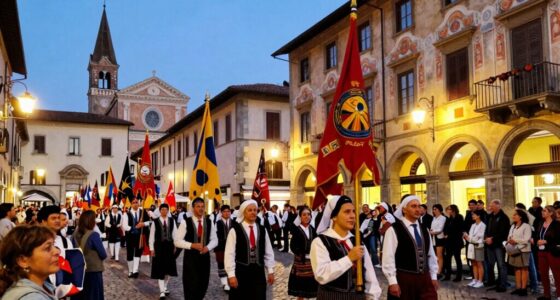
Abbeys today influence local Italian communities by actively supporting local traditions and fostering community engagement. You’ll see abbeys hosting festivals, markets, and cultural events that bring people together. They also provide social services, education, and charity work, strengthening community bonds. By preserving heritage and promoting local customs, abbeys help maintain a sense of identity and continuity, making them crucial to the social fabric of their regions.
What Are the Daily Routines of Monks in Italian Abbeys?
You’ll find that monks in Italian abbeys start their day early, often at dawn, with meditation practices to center themselves. They then participate in communal prayers, which occur multiple times daily, fostering unity. Their routines also include work such as farming or manuscript copying, with about 70% of abbeys maintaining active community engagement. This disciplined schedule helps preserve spiritual focus and contributes to local culture.
How Have Italian Abbeys Adapted to Modern Technology?
You see Italian abbeys embracing modern technology by expanding their digital outreach, connecting with a global community through websites and social media. They also adopt renewable energy sources like solar panels to reduce their environmental impact, aligning tradition with sustainability. These adaptations help them stay relevant, share their spiritual messages, and contribute positively to society, all while preserving their historic legacy.
What Is the Role of Women in Italian Monastic Life?
You might think gender roles are fixed, but in Italian monastic life, female participation has evolved markedly. Women play crucial roles, from contemplative nuns to active community leaders. Their contributions shape the spiritual and social fabric of abbeys, challenging traditional boundaries. Don’t underestimate their influence—these women continue to inspire change, making their presence a powerful force within the centuries-old monastic landscape.
Are Italian Abbeys Open to Tourists and Visitors?
Yes, Italian abbeys are open to tourists and visitors. You can explore stunning abbey architecture and learn about their history through guided tours. Visitors often witness religious ceremonies, which offer a glimpse into monastic traditions. Many abbeys also host art exhibits and cultural events, giving you a unique experience of Italy’s spiritual and architectural heritage. Just check opening hours and any visitor guidelines before planning your visit.
Conclusion
You now see how Italy’s abbeys shaped history and culture in ways that echo through centuries. Their spiritual devotion and intellectual pursuits transformed the landscape, leaving a legacy more enduring than time itself. By exploring these sacred sites, you reveal a glimpse into a world where faith and community created miracles that still inspire awe today. Remember, the spirit of monastic life is a mighty force—capable of changing hearts and shaping civilizations forever.
Halloween Picks
halloween
As an affiliate, we earn on qualifying purchases.