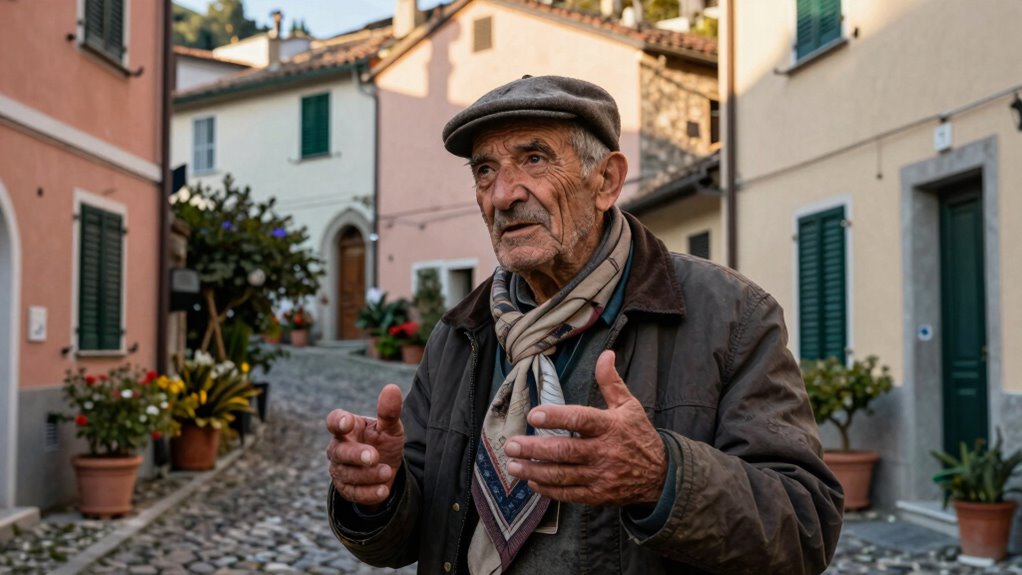

Regional dialects in Italy are powerful symbols of cultural identity that you can still hear today, despite the influence of mainstream media and education. They connect communities to their history, traditions, and local pride, offering a unique voice that adds flavor to everyday life. These dialects resist cultural homogenization and protect regional knowledge for future generations. To discover how these languages continue to shape Italy’s vibrant culture, keep exploring the stories behind these linguistic treasures.
Key Takeaways
- Regional dialects serve as symbols of cultural identity and regional pride in Italy.
- They preserve historical traditions, stories, and expressions passed down through generations.
- Dialects act as a form of resistance against cultural homogenization and linguistic standardization.
- They enrich Italy’s cultural diversity by influencing local music, poetry, and storytelling.
- Despite globalization, dialects remain vital in everyday life and cultural events, showcasing resilience.
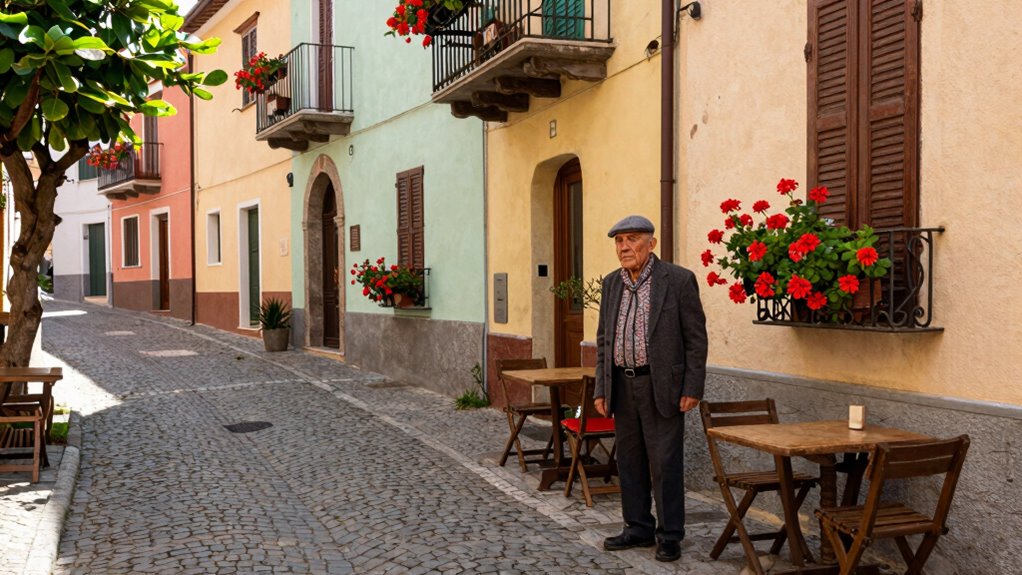
Italy is a country rich in linguistic diversity, with regional dialects that reflect its unique history and culture. These dialects aren’t just words; they’re living symbols of cultural identity, echoing centuries of local stories, traditions, and way of life. When you hear a regional dialect, you’re listening to a piece of history that’s been passed down through generations, shaping a community’s sense of self. This linguistic diversity isn’t just a matter of vocabulary—it’s an essential part of how Italians see themselves and their heritage. You might notice that in some regions, dialects are so deeply rooted that they serve as a badge of local pride, even as standard Italian becomes more dominant in media and education.
Italy’s regional dialects are living symbols of history, culture, and pride, shaping communities and preserving their unique identities.
In modern Italy, regional dialects quietly hold onto their power by reinforcing cultural identity. People often speak their dialects at home, among friends, or during local events, creating a sense of belonging and continuity. This linguistic diversity acts as a bridge connecting the past and present, reminding communities of their origins even as Italy evolves rapidly. You may find that these dialects shape not only everyday conversations but also local music, poetry, and storytelling—preserving traditional ways of expressing emotion and humor. By maintaining their dialects, Italians preserve a distinct identity that’s resistant to the homogenizing effects of globalization. It’s a subtle yet influential way to stand apart and celebrate regional uniqueness.
Despite the spread of standard Italian, regional dialects continue to influence the cultural fabric of Italy. They serve as a form of resistance against cultural uniformity, allowing communities to keep their traditions alive. When you travel across Italy, you’ll notice the richness of this diversity—each region’s dialect offers a different flavor, a different voice that tells its own story. The power of these dialects lies in their ability to foster a sense of community and pride, even in a modern world where language often becomes more standardized. Linguistic diversity plays a crucial role in maintaining Italy’s cultural richness and regional distinctions. Cultural resilience is evident in how these dialects persist despite external influences. The power of these dialects lies in their ability to foster a sense of community and pride, even in a modern world where language often becomes more standardized. They serve as a cultural repository, safeguarding traditional expressions and local knowledge for future generations. Italy’s rich tapestry of regional languages exemplifies how language can be a powerful tool of cultural preservation amidst change.
Italian regional dialect language books
As an affiliate, we earn on qualifying purchases.
As an affiliate, we earn on qualifying purchases.
Frequently Asked Questions
How Do Regional Dialects Influence Italian National Identity?
Regional dialects shape Italian national identity by fostering cultural preservation and highlighting linguistic diversity. When you embrace these dialects, you celebrate local traditions and history, strengthening regional pride. This diversity enriches Italy’s collective identity, showing that unity exists alongside unique local expressions. By valuing regional dialects, you contribute to maintaining Italy’s rich cultural tapestry and guarantee that these linguistic variations continue to thrive in a modern, interconnected world.
Are Regional Dialects at Risk of Extinction in Italy?
Regional dialects in Italy face decline, but they’re not on the brink of extinction yet. You can see efforts for linguistic preservation grow stronger, emphasizing cultural diversity’s importance. Imagine small towns where elders pass down dialects like treasured secrets, keeping them alive. While urbanization and media threaten their future, your support for regional dialects helps preserve Italy’s rich linguistic tapestry, ensuring future generations experience this vibrant cultural heritage firsthand.
How Do Dialects Differ Between Urban and Rural Areas?
You notice that in urban areas, dialects often incorporate more urban vocabulary influenced by modern life and diverse communities, making them more adaptable and sometimes blending with standard Italian. In rural regions, dialects tend to preserve traditional rural pronunciation and vocabulary, maintaining older linguistic features. This contrast highlights how urbanization fosters linguistic change, while rural areas tend to keep dialects more intact, serving as a cultural anchor.
What Role Do Dialects Play in Italian Music and Media?
Dialects weave through Italian music and media like vibrant threads in a tapestry, adding depth and authenticity. Regional dialects shape melodies, giving voice to local stories and emotions, enriching music diversity. You’ll find these dialects echoing in lyrics and broadcasts, creating a bridge between tradition and modernity. They spark a sense of belonging, turning songs and media into powerful tools that preserve regional identities amidst Italy’s dynamic cultural landscape.
Can Dialects Impact Italy’s Regional Politics and Policies?
Yes, dialects can influence Italy’s regional politics and policies. You might see local linguistic diversity shape regional identities, prompting governments to support dialect preservation efforts. These efforts help maintain cultural heritage and foster regional pride, which can impact political decisions, election campaigns, and education policies. By recognizing and promoting dialects, you empower communities and reinforce unique regional identities within Italy’s broader national landscape.
Conclusion
You might think language is just words, but regional dialects in Italy are like hidden gems, each shining with unique history and identity. I once met an elderly woman from Naples who proudly recounted stories in her dialect, revealing a rich tapestry of culture that words alone can’t fully capture. Just as a mosaic’s beauty comes from tiny, colorful pieces, Italy’s regional dialects form a vibrant mosaic, quietly holding the country’s diverse soul together amidst the modern buzz.