
Festivals in Italy help you experience and preserve the country’s rich cultural identity by showcasing vibrant costumes, traditional foods, and community rituals. They serve as a way for locals and visitors alike to connect with regional histories, customs, and craftsmanship. By participating, you help keep these traditions alive and appreciated across generations. Continuing forward reveals how these celebrations act as powerful guardians of Italy’s unique cultural heritage and foster a sense of belonging.
Key Takeaways
- Festivals showcase traditional costumes and crafts, actively preserving Italy’s artistic and cultural heritage across regions.
- Culinary traditions are celebrated through local foods and techniques, reinforcing regional identity and continuity.
- Religious and cultural rituals in festivals maintain and transmit customs to future generations.
- Community participation fosters social cohesion and collective pride in Italy’s diverse cultural legacy.
- Festivals attract international visitors, promoting global awareness and appreciation of Italy’s cultural diversity.

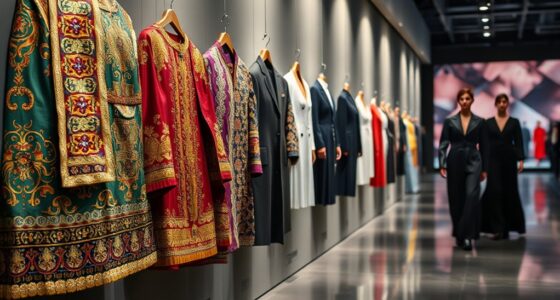
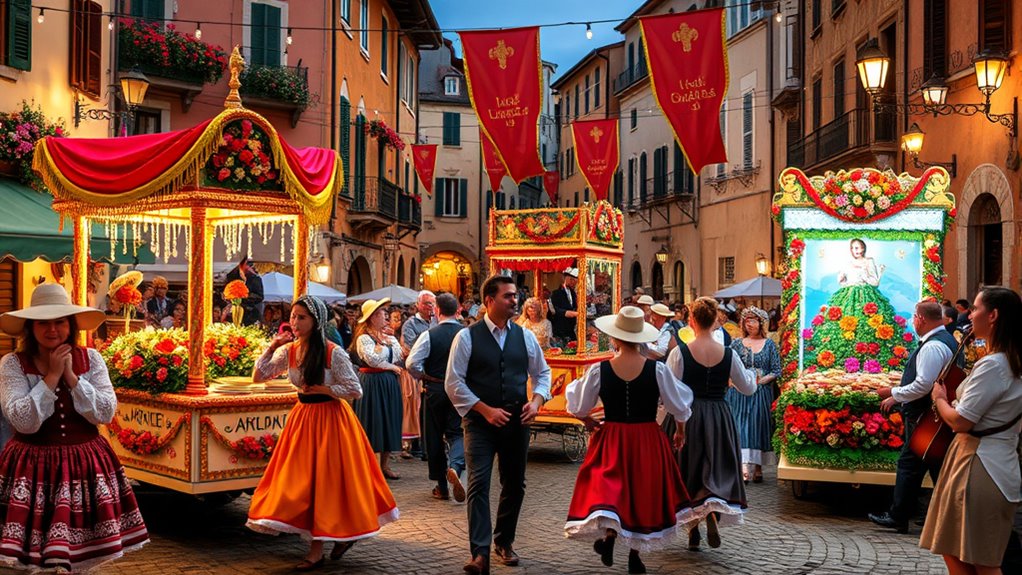
Italy’s vibrant festivals are a true reflection of its rich cultural heritage, bringing communities together to celebrate history, religion, and local traditions. When you participate in these events, you immerse yourself in a world where traditional costumes and culinary celebrations play a central role. The sight of locals dressed in colorful traditional costumes instantly transports you to a different era, showcasing regional pride and the unique identity of each area. These costumes are more than attire; they’re symbols of cultural continuity, crafted with intricate details that often tell stories passed down through generations.
Italy’s festivals celebrate cultural heritage through colorful costumes and traditions that connect communities across generations.
Culinary celebrations are equally crucial in preserving Italy’s cultural fabric. During festivals, you’ll find food taking center stage, with markets bursting with local specialties, homemade recipes, and age-old cooking techniques. These culinary displays aren’t just about eating; they’re about sharing stories, strengthening bonds, and passing down traditions. Whether it’s a Festa del Vino in Tuscany or a Sicilian Sagra, the food served is deeply tied to the land and history, making every bite a connection to the past. Participating in these culinary events, you get the chance to taste authentic flavors that define regional identities, from rich cheeses to handcrafted pasta and local wines.
Beyond the visual spectacle of costumes and the aroma of traditional dishes, festivals serve as essential custodians of Italy’s cultural legacy. They provide a platform for communities to express their distinct identities and keep their customs alive amidst modern influences. When you witness a procession in a small town, you see generations working together to uphold traditions, whether through dance, music, or religious rituals. These festivals also foster a sense of belonging, uniting people around shared history and values, and giving you a sense of being part of something larger than yourself. Moreover, many festivals incorporate traditional crafts, reflecting the artistic heritage that is actively preserved through these celebrations.
Furthermore, festivals attract visitors from all over the world, helping to spread Italy’s cultural richness globally. Your participation not only helps sustain these traditions but also promotes understanding and appreciation of Italy’s diverse regional cultures. As you experience traditional costumes, taste local specialties, and engage in festivities, you become a living part of Italy’s ongoing story of cultural resilience. These celebrations are more than entertainment; they’re crucial acts of cultural preservation, ensuring that Italy’s unique heritage endures for future generations.

Adult Italian Venice Gondolier Costume Set Mens Striped Shirt Pants Hat Scarf Theatrical Performance Outfit Medium
- Venetian Gondolier Costume: Includes striped shirt, pants, hat, sash, scarf
- Authentic Venetian Style: Experience the magic of Venice canals
- Durable and Comfortable: Made from 100% polyester for long-lasting wear
As an affiliate, we earn on qualifying purchases.
As an affiliate, we earn on qualifying purchases.
Frequently Asked Questions
How Do Festivals Influence Local Italian Dialect Preservation?
Festivals play a crucial role in dialect preservation by creating lively environments where local dialects are actively spoken and celebrated. You’ll notice linguistic diversity thrive as communities share stories, songs, and traditions in their dialects during these events. By participating, you help maintain and pass down regional language nuances, ensuring dialect preservation for future generations, and reinforcing the unique cultural fabric of Italy.
What Economic Benefits Do Festivals Bring to Small Italian Towns?
You’ll see festivals spark economic revitalization in small Italian towns, attracting visitors and boosting local businesses. While the historic charm of these events preserves tradition, they also foster community engagement, creating a lively atmosphere that encourages spending. This influx of tourism not only strengthens the local economy but also sustains cultural practices, making festivals essential for both cultural preservation and economic growth in these charming towns.
How Are Modern Trends Integrated Into Traditional Italian Festivals?
You see modern trends integrated into traditional Italian festivals through digital innovation, like live streaming and social media campaigns, which boost engagement. Fashion influence also plays a role, with contemporary styles blending into traditional costumes or event themes, making festivals more appealing to younger audiences. This mix of tradition and modernity keeps the cultural celebration vibrant, relevant, and accessible, ensuring Italy’s rich heritage continues to thrive in today’s dynamic world.
What Role Do Festivals Play in Intergenerational Cultural Transmission?
Festivals play a crucial role in intergenerational cultural transmission by encouraging family storytelling and fostering communal participation. You actively pass down traditions, stories, and customs during these events, strengthening bonds across generations. As you participate, you help preserve Italian heritage, ensuring that younger generations understand their roots. This shared experience keeps cultural identity alive, making festivals powerful tools for connecting past and present through lively, communal celebrations.
How Do Festivals Impact Italy’s International Cultural Reputation?
Festivals markedly boost Italy’s international cultural reputation through cultural diplomacy, showcasing its rich traditions and vibrant heritage. You notice how these events attract global recognition, drawing tourists and media attention, which enhances Italy’s cultural influence worldwide. By celebrating unique customs and arts, festivals serve as powerful tools for Italy to strengthen its global presence, foster cross-cultural connections, and promote a positive image that resonates well beyond its borders.
Conclusion
By celebrating festivals, you become a essential brushstroke on Italy’s vibrant cultural canvas. These lively gatherings are the heartbeat that keeps Italian traditions alive, weaving stories and memories into the fabric of your identity. When you participate, you’re not just witnessing history—you’re the guardian of a timeless melody. So, embrace these festivals, and let their spirit carry you, like a warm Mediterranean breeze, into the heart of Italy’s enduring cultural soul.