TL;DR

Get home appliances delivered free with Prime
- Fast, free delivery on millions of items
- Prime Video, Amazon Music and more included
- Member-only deals all year
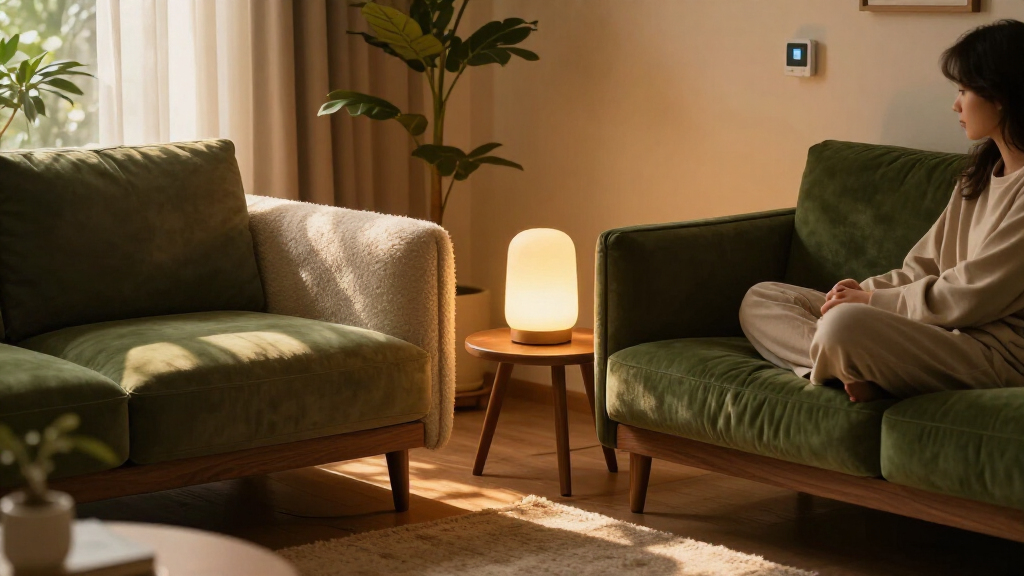
Interior designers Jo Lyle and Bethany Adams say clients are asking for snugs: small, enclosed spaces designed for reading, resting or spending time with a friend. Their advice centers on using existing nooks, built-ins, layered fabrics and carefully planned lighting; the report does not quantify how widespread the trend is.
Interior designers Jo Lyle and Bethany Adams are seeing interest in snug rooms—small, enclosed spaces for reading, relaxing or listening to music—according to a report by Veranda. Their recommendations focus on adapting underused corners and alcoves with built-in seating, layered fabrics and deliberate lighting, rather than trying to make a large room feel cozy.
Lyle told Veranda that a European getaway inspired clients to request a snug beside their primary bedroom. She described the design goal as feeling “totally cocooned in a mood.” The clients pictured using the room to read and listen to their record collection, so Lyle incorporated a bookshelf with a record player into the wall and coordinated wallpaper across the shelf and ceiling.
Adams advised looking at attic alcoves, spaces under eaves and underused closets before creating a snug from scratch. She said built-ins can help enclose the space, using features such as a window seat or a U-shaped arrangement around a nook. Lyle’s guidance is to keep the floor plan tight, with enough room to move around the furniture.
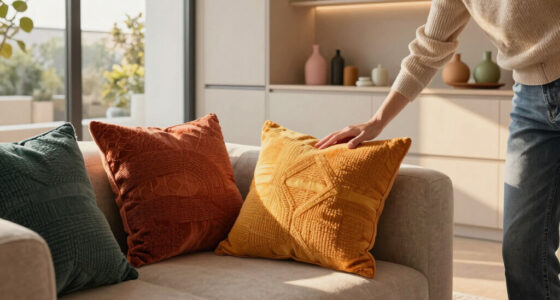
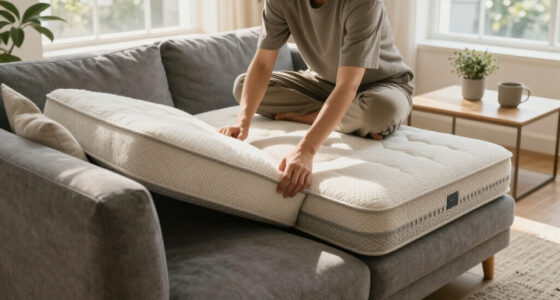
The designers also recommend treating light and texture as part of the room’s function. Lyle suggests starting with the minimum light needed, then adding lamps or directional sconces. Curtains, Roman shades and textured wallpaper can help shape the atmosphere. Adams described storage built into a bedroom snug, including luggage cubbies hidden behind curtains and drawers under a mattress.
Making Small Spaces Feel Useful
The designers’ advice offers homeowners a way to use awkward or overlooked areas without adding a room or furnishing a large space from scratch. A snug can support a specific activity—such as reading, listening to music, taking a nap or having a quiet conversation—while storage and built-ins help the room do more than one job.
The approach is also practical for bedrooms and older homes, where eaves, window seats and alcoves may already create a natural boundary. The report presents these ideas as design guidance, not evidence of a measured change in the housing market or a quantified surge in demand.
As an affiliate, we earn on qualifying purchases.
From Pub Rooms to Home Nooks
The report traces the snug to small, private rooms in 19th-century Irish pubs. Adams also connected the concept to historical American interiors, where compact enclosed spaces helped retain heat. She recalled noticing the idea during a childhood visit to Colonial Williamsburg.
In the designers’ current examples, the snug is less a fixed room type than a way of using a small space. Adams said the snug in her 1876 home became her children’s playroom; she is considering turning it into a room with a bed. Another project she described was a yellow bedroom snug in a Kentucky farmhouse, while Lyle designed a snug for clients beside their primary bedroom.
“The goal is to feel totally cocooned in a mood.”
— Jo Lyle, interior designer, as quoted by Veranda
How Broad Is the Snug Trend?
The report describes requests and projects from two designers, but provides no survey, sales figures or other data showing how common snug rooms are among homeowners. It is not clear whether interest is widespread or concentrated among the designers’ clients.
The examples also do not establish a single definition or required design. A snug may be a dedicated small room, a bedroom nook or a built-in banquette, and the report does not set a minimum size or cost. Whether a particular corner can be adapted depends on the home’s layout and the intended use.
Finding the Right Nook
For readers considering a snug, the designers’ first step is to identify a small area that can support a clear purpose. They suggest checking attic spaces, eaves, closets and existing window seats, then planning furniture and storage around the available footprint.
From there, the design choices can follow the room’s use: task lighting for reading, curtains or shades to control daylight, and built-ins or shelves for storage and a more enclosed feel. The report does not announce a product launch or a scheduled industry milestone; it offers design recommendations, while the scale of the reported interest remains unmeasured.
Key Questions
What is a snug room?
A snug is a small, enclosed room or nook intended for activities such as reading, relaxing, listening to music or having a quiet conversation.
Where can a snug fit in a home?
The designers interviewed by Veranda point to attic alcoves, spaces under eaves, underused closets and existing window seats as possible locations. A snug can also be created in a compact corner.
What design features make a room feel like a snug?
Built-ins, close-fitting furniture, layered curtains or shades, textured walls and carefully directed lighting can help create an enclosed, comfortable setting, according to the designers.
Is there evidence that snug rooms are becoming popular everywhere?
The Veranda report describes interest among two designers and their clients, but gives no survey or market data measuring how widespread the trend is.
Source: rss
Cold & flu season Picks
humidifiers
As an affiliate, we earn on qualifying purchases.