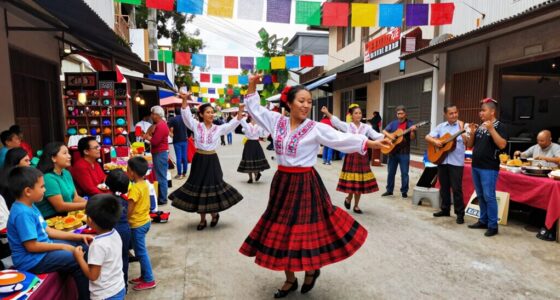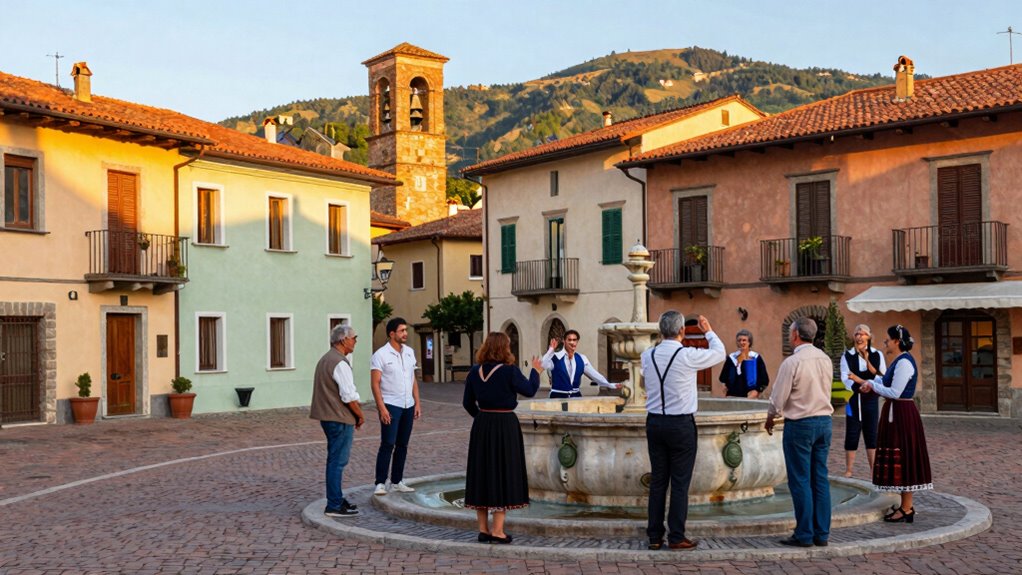

Your experience of Italy’s strong regional identity comes from centuries of preserved cultural traditions, unique culinary styles, and vibrant local festivals. These customs foster a deep sense of pride and community, making each region’s history feel alive and meaningful. Local dialects, food, and celebrations keep heritage close. This resilience guarantees identity endures despite modern changes. Keep exploring, and you’ll discover how these traditions continue shaping Italy’s diverse and spirited communities today.

Get home appliances delivered free — and shop member deals
- Fast, free delivery on millions of items
- Access to Prime Big Deal Days deals on October 6–7
- Prime Video, Amazon Music and more included
Key Takeaways
- Italy’s rich history preserves diverse regional traditions that reinforce local pride and cultural continuity.
- Festivals, dialects, and storytelling maintain a strong sense of regional community identity.
- Unique local cuisines symbolize cultural independence and reflect regional landscapes and history.
- Environmental factors shape agricultural practices, fostering a deep connection between regions and their natural surroundings.
- Cultural resilience allows communities to honor their heritage while adapting to modern influences.

Have you ever wondered what makes Italy so uniquely diverse? It’s the rich tapestry of regional identities that continue to thrive across the country. Italy’s history is layered with centuries of distinct cultural traditions that have been preserved and passed down through generations. Each region boasts its own festivals, customs, and ways of life that set it apart from its neighbors. When you visit Sicily, you’ll notice the vibrant traditions rooted in ancient Greek and Arab influences, while in Tuscany, the emphasis on medieval customs and local artisans remains palpable. These cultural traditions are more than just relics; they’re living expressions of regional pride that residents hold close to their hearts.
Cultural traditions play an essential role in shaping how Italians view themselves and their communities. They’re a source of identity and continuity, acting as a bridge between the past and present. Whether it’s the elaborate Carnevale celebrations in Venice or the unique Palio horse race in Siena, these events reinforce a deep sense of belonging. When you participate or observe, you experience firsthand how tradition sustains regional bonds, making it clear that Italians see their customs as an intrinsic part of who they are. Regional identity is also strengthened through shared language dialects and local storytelling that keep history alive. Additionally, these traditions often adapt and evolve, ensuring they remain relevant and meaningful across generations. Cultural resilience also plays a key role in maintaining regional pride in Italy, as communities continuously find ways to honor their heritage while embracing change.
Culinary diversity is another pillar of Italy’s strong regional identity. Each area has perfected its own flavors, ingredients, and recipes, making Italian cuisine far more varied than many realize. In the north, you’ll find hearty dishes featuring butter, rice, and polenta—think risottos and creamy cheeses—while in the south, the cuisine leans toward fresh tomatoes, olive oil, and spices, producing dishes like spaghetti alle vongole or fiery Calabrian peppers. These culinary differences aren’t accidental; they reflect local landscapes, climates, and historical trade influences. When you dine in Italy, you can taste the distinctiveness of each region in every bite, reinforcing regional pride through food. This culinary heritage is an important aspect that contributes to the ongoing sense of regional autonomy and cultural independence, as food traditions often serve as symbols of local identity.
This diversity in food and tradition isn’t just about flavor; it’s a statement of regional autonomy and cultural independence. Italians often identify strongly with their local cuisine and customs because they symbolize centuries of unique development. Interestingly, this regional pride is also linked to the preservation of local biodiversity, which has historically influenced traditional farming and culinary practices. It’s common to see local varieties of fruits, vegetables, and livestock that are specific to each area, further emphasizing the connection between environment and cultural identity. These environmental factors contribute to the distinctive agricultural practices that sustain regional culinary traditions. When you travel across Italy, you quickly realize that these regional distinctions shape not only what people eat or celebrate but also how they see themselves within the larger national fabric. This deep-rooted sense of regional identity persists because it’s woven into the very fabric of daily life, uniting communities through shared history, customs, and culinary heritage.
Italian regional festival souvenirs
As an affiliate, we earn on qualifying purchases.
As an affiliate, we earn on qualifying purchases.
Frequently Asked Questions
How Do Regional Dialects Influence Local Identity?
Regional dialects influence your local identity by embodying Italy’s rich linguistic diversity and cultural heritage. When you speak in your regional dialect, you connect with your community’s history and traditions, making you feel more rooted and proud of your origins. These dialects serve as unique markers of cultural identity, preserving local stories and customs that define who you are within your region, strengthening your sense of belonging and regional pride.
What Role Does Cuisine Play in Regional Pride?
Cuisine fuels your regional pride like a fiery heart, connecting you deeply to local traditions. You celebrate with vibrant cultural festivals where dishes tell stories of centuries past, making each bite a symbol of your heritage. These culinary traditions aren’t just food—they’re a badge of identity, uniting communities and preserving local customs. Your region’s flavors embody its soul, turning everyday meals into powerful symbols of pride and history.
How Have Historical Borders Shaped Regional Loyalties?
Historical borders influence your regional loyalties by preserving a sense of autonomy and distinct identity. When regions had historical autonomy, they developed unique cultural traditions that continue to define their communities today. These borders created a sense of belonging and pride, making it natural for you to feel connected to your region’s history and customs. Over time, these deep-rooted cultural traditions reinforce your regional loyalty, keeping the sense of identity alive.
Do Regional Identities Affect National Politics?
You’ve heard “United we stand, divided we fall,” and regional identities definitely influence national politics. You notice cultural festivals celebrating local traditions, which bolster regional pride and push for greater political autonomy. These identities often lead to debates over policies, funding, and representation, shaping the political landscape. When regional loyalties run deep, they can challenge national unity, making it essential for politicians to respect and incorporate local perspectives into broader governance.
How Is Regional Identity Preserved Among Younger Generations?
You preserve regional identity among younger generations through cultural festivals and traditional crafts, which keep local customs alive and engaging. Participating in festivals allows you to celebrate your heritage, while learning traditional crafts helps you connect with your roots. Schools and community programs often emphasize these activities, ensuring that your cultural pride stays strong. By passing down stories and skills, you help maintain the unique identities that define your region.
Conclusion
Think of Italy as a vast, ancient tree, its roots tangled deep in the soil of history, culture, and tradition. Each region is like a sturdy branch, thriving in its own unique way, yet still connected to the trunk’s core. That unbreakable bond explains why regional identities remain so strong — because, like a tree, Italy’s parts grow apart, but their roots keep them intertwined, nourishing a collective spirit that’s resilient and true.
NFL season / tailgating Picks
team gear
As an affiliate, we earn on qualifying purchases.