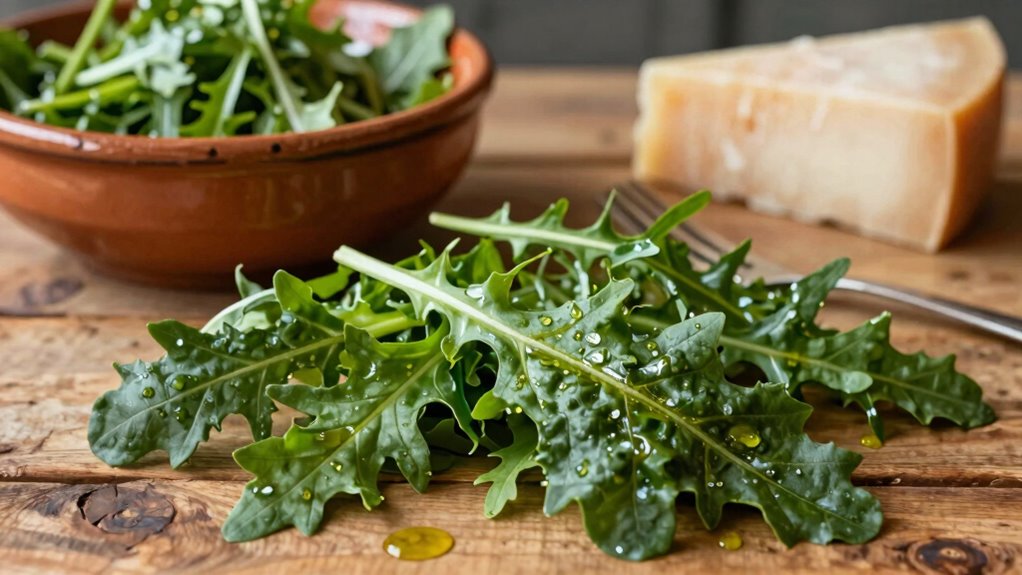

Bitter greens are central to Italian food culture, showcasing centuries of tradition and natural flavors. You’ll find them in diverse dishes like salads, sautés, and pizza toppings, often paired with rich ingredients for balance. They carry health benefits, from supporting immunity to promoting digestion, reflecting Italy’s focus on nourishing, wholesome ingredients. Their deep roots in history and regional variations emphasize their cultural importance. Keep exploring to uncover more about their fascinating role in Italy’s culinary heritage.
Key Takeaways
- Bitter greens have ancient roots in Italian cuisine, valued for their health benefits and flavor complexity.
- They serve as traditional ingredients in regional dishes, reflecting Italy’s culinary heritage and natural food appreciation.
- Their bitterness balances rich ingredients like cheeses and cured meats, enhancing overall flavor harmony.
- Nutrient-rich and medicinal, they support immune health, digestion, and long-term well-being.
- Incorporating bitter greens connects modern Italian diets with centuries-old culinary and cultural practices.
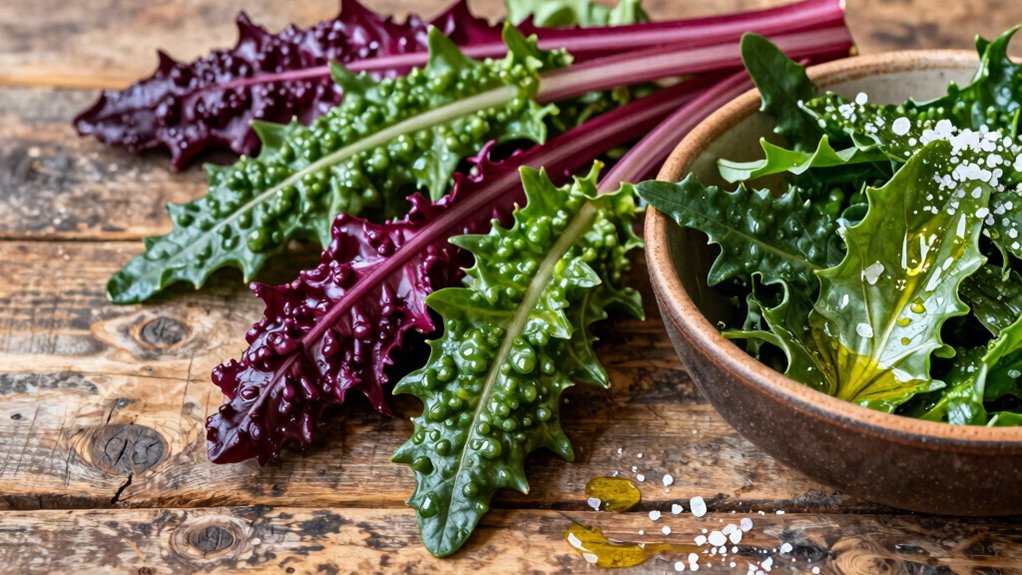
Bitter greens hold a special place in Italian food culture, adding depth and balance to a variety of traditional dishes. These greens, which include arugula, dandelion greens, radicchio, and endive, have been part of Italy’s culinary history for centuries. Their historical origins trace back to ancient Rome and even earlier civilizations, where wild greens were gathered from fields and forests for both nutrition and medicinal purposes. Over time, these greens shifted from foraged ingredients to cultivated crops, becoming staples in regional cuisines. Their bitter flavor was appreciated not just for taste but also for the health benefits associated with them, especially as diets evolved to focus more on natural, whole foods.
You might notice that these greens are often used in salads, sautés, and even as toppings for pizzas—each preparation highlighting their unique bitterness. Historically, this bitterness was valued as a natural detoxifier and a way to stimulate digestion. In traditional Italian cuisine, bitter greens are often paired with rich ingredients like cheeses, nuts, and cured meats, creating a harmonious balance of flavors. This pairing isn’t accidental; it’s rooted in centuries of culinary wisdom that recognizes how bitter elements can cut through richness, making every bite more invigorating and satisfying. The use of bitter greens in regional dishes varies from north to south Italy, but their role remains consistent: to bring a complex flavor profile and nutritional value. Culinary traditions have long emphasized the importance of balancing flavors, especially when incorporating bitter ingredients.
Speaking of nutritional benefits, bitter greens are packed with vitamins, minerals, and antioxidants that support your overall health. They’re particularly high in vitamin C, vitamin K, and folate, which help boost your immune system, promote blood clotting, and support cell growth. Their high fiber content aids digestion and helps maintain a healthy gut. Additionally, the long-standing tradition of incorporating wild greens highlights their importance in Italy’s culinary heritage. Moreover, their unique bitter compounds are believed to have anti-inflammatory and even anticancer properties, further underscoring their health benefits. Recent studies also suggest that bitter greens may aid in weight management, adding to their appeal as a health-conscious choice. Including these greens in your diet can also deepen your appreciation for the cultural significance of Italy’s traditional ingredients. By incorporating bitter greens into your diet, you not only enjoy their distinctive flavor but also give your body a boost of essential nutrients that contribute to long-term well-being.
Ultimately, bitter greens are more than just an ingredient—they’re a crucial part of Italy’s culinary heritage. Their historical origins reveal a tradition of utilizing local, natural ingredients for health and flavor, and their nutritional benefits underscore their importance in a balanced diet. When you include bitter greens in your meals, you’re connecting with centuries of Italian food culture, appreciating how these greens enhance dishes both in taste and health.
As an affiliate, we earn on qualifying purchases.
Frequently Asked Questions
Are Bitter Greens Used in Traditional Italian Desserts?
No, bitter greens aren’t typically used in traditional Italian desserts. Instead, Italians focus on sweet desserts and herbal infusions, like biscotti or herbal liqueurs. While bitter greens add depth to savory dishes, they don’t usually appear in sweet treats. If you’re curious, some modern chefs experiment by incorporating herbs into desserts, but traditionally, bitter greens stay away from the domain of sweet desserts.
Which Italian Regions Favor Specific Bitter Greens?
You’d think every Italian region has its own secret bitter greens, and you’d be right! Tuscany and Liguria fiercely cherish arugula and dandelion greens, turning their dishes into flavor explosions. Meanwhile, Sicily loves its chicory, making their culinary traditions burst with bold, bitter notes. These regional flavors define Italy’s diverse food landscape, turning simple greens into iconic ingredients that tell a story of local pride and ancient culinary artistry.
How Do Bitter Greens Impact the Nutritional Value of Dishes?
Bitter greens boost the nutritional benefits of your dishes by providing essential vitamins, minerals, and antioxidants. They are rich in fiber, which aids digestion, and contain compounds that support detoxification and overall health. When you include bitter greens like arugula or dandelion, you enhance both flavor and nutrition, making your meals more balanced and healthful. Their unique bitterness also stimulates your appetite and improves digestion.
Can Bitter Greens Be Cultivated Outside Italy?
You can absolutely cultivate bitter greens outside Italy through organic cultivation or wild harvesting. These greens thrive in diverse climates and soil types, making them accessible worldwide. With proper care, you’ll grow robust plants that rival those found in Italian markets. Don’t underestimate their adaptability—these greens are resilient, flavorful, and bring authentic Italian flair straight to your garden, transforming your meals into a culinary masterpiece.
What Are Common Substitutes for Bitter Greens in Italian Cooking?
If you’re looking for culinary substitutions for bitter greens, you can use kale, arugula, or dandelion greens. These bitter green varieties mimic the flavor profile and texture, making them excellent alternatives in recipes like sautéed dishes or salads. You might also try radicchio for a slightly different but equally vibrant bitter note. These substitutes help you preserve the authentic taste of Italian dishes even if you can’t find traditional bitter greens.
Conclusion
As you explore more into Italian cuisine, you’ll discover that bitter greens aren’t just ingredients—they’re secrets waiting to be uncovered. Their complex flavors challenge your palate and reveal ancient traditions hiding beneath vibrant plates. But what’s truly fascinating is how they continue to shape Italian food culture, evolving while holding onto centuries-old roots. So, next time you taste a bitter green, remember—you’re tasting history, mystery, and a story that’s far from over.