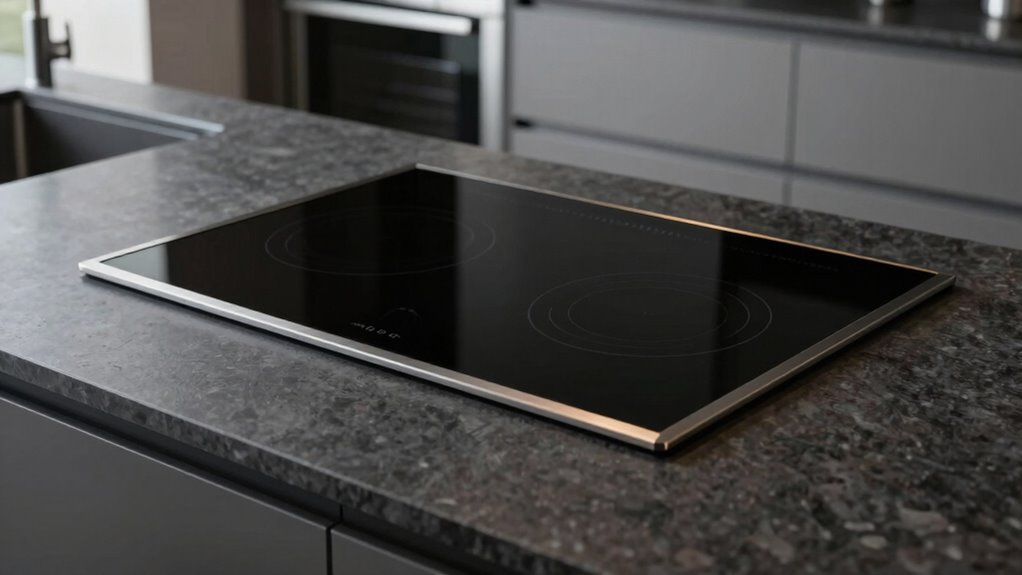

Before cutting your counter for a built-in induction cooktop, make sure your cookware is compatible, as induction heats only certain materials. Understand the safety features, like automatic shut-off and cool surfaces, to keep your kitchen safe. Check if your existing counter can be modified easily or if you need to plan for additional upgrades. Considering energy efficiency and proper installation will help maximize performance. Keep exploring to learn essential tips for a smooth installation process.

Get home appliances delivered free with Prime
- Fast, free delivery on millions of items
- Prime Video, Amazon Music and more included
- Member-only deals all year
Key Takeaways
- Confirm the countertop material is suitable for cutting and installation of built-in induction cooktops.
- Ensure your kitchen has the proper electrical wiring and power capacity for the cooktop.
- Measure the available space accurately to fit the cooktop’s dimensions and ventilation requirements.
- Prepare for countertop modifications, including cutting openings and possibly reinforcing the surface.
- Consider the need for compatible cookware and safety features to maximize efficiency and safety after installation.
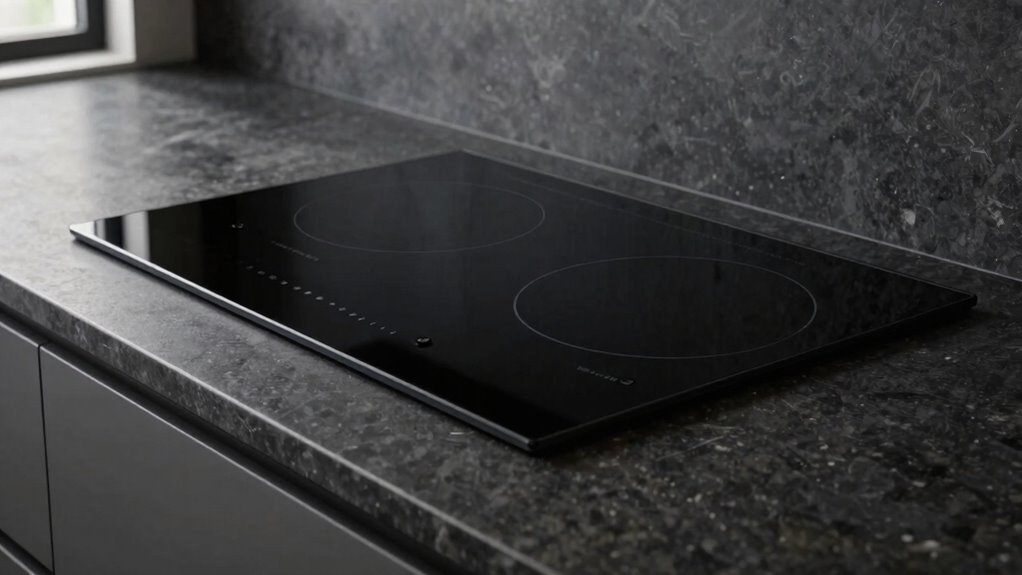
Are you considering an upgrade to your kitchen’s cooking system? If so, built-in induction cooktops might catch your attention. They offer a sleek, modern look and come with a host of benefits that can elevate your cooking experience. Before you start cutting into your countertop, it’s essential to understand what makes these cooktops stand out and what factors you should consider to guarantee they fit your needs perfectly.
One of the biggest advantages of induction cooktops is their energy efficiency. Unlike traditional electric or gas stoves, induction technology heats pots and pans directly through electromagnetic fields. This process results in faster heating times and less wasted energy, helping you save on electricity bills over time. Plus, because the heat is generated only when a compatible cookware is placed on the surface, you won’t waste energy heating a flat, unused surface. This targeted heating not only saves energy but also reduces the risk of energy loss, making induction cooktops an environmentally friendly choice. Understanding induction technology can help you appreciate how this efficiency is achieved. Additionally, the technology often includes advanced safety features that improve overall kitchen safety.
Induction cooktops heat cookware directly, saving energy and reducing waste for a more eco-friendly kitchen.
Safety features are another key consideration. Built-in induction cooktops come equipped with a variety of safety measures that can give you peace of mind. Many models include automatic shut-off if no cookware is detected or if the surface gets too hot, preventing accidental burns or fires. The surface itself remains relatively cool to the touch, reducing the chance of burns even when the cooktop is in use. This feature is especially useful if you have children or pets around the kitchen. Additionally, precise temperature control means you can simmer or boil with accuracy, avoiding accidental overflows or burning your food. It’s also important to ensure your induction-compatible cookware is suitable for use with these cooktops to maximize efficiency and safety. Proper cookware material affects heat transfer, so selecting the right pots and pans is crucial for optimal performance.
induction cooktop compatible cookware
As an affiliate, we earn on qualifying purchases.
As an affiliate, we earn on qualifying purchases.
Frequently Asked Questions
Can Induction Cooktops Be Installed in Any Countertop Material?
Induction cooktops can be installed in many countertops, but you need to take into account compatibility and durability. Most work well with materials like granite, quartz, or solid surface countertops that can withstand cutting and heat. Avoid delicate or easily damaged materials like laminate or tile, which may not support proper installation or withstand heat. Always check the manufacturer’s guidelines to verify your chosen material is suitable for induction cooktop installation.
What Is the Average Lifespan of Built-In Induction Cooktops?
You can expect your built-in induction cooktop to last around 10 to 15 years with proper maintenance. Regularly clean the surface and check for issues, following safety precautions like unplugging it before cleaning. Keep the area dry and avoid using abrasive cleaners. Good maintenance tips also include avoiding heavy impacts and guaranteeing proper ventilation. These practices help extend your cooktop’s lifespan and ensure safe, efficient cooking.
Are There Specific Ventilation Requirements for Induction Cooktop Installation?
You’ll want to follow specific ventilation requirements to keep your kitchen safe and smoke-free. Make certain your installation includes proper ventilation ducts that direct heat and fumes away from your kitchen backsplash. Adequate ventilation prevents overheating and guarantees the induction cooktop performs at its best. Always check your manufacturer’s guidelines, but generally, a range hood or vent should be installed above the cooktop to maintain good airflow and safety.
How Do I Troubleshoot Common Issues With Built-In Induction Cooktops?
To troubleshoot common issues with your built-in induction cooktop, first check for power supply issues—ensure it’s plugged in properly and the circuit breaker isn’t tripped. Next, verify cookware compatibility; only use magnetic, flat-bottomed pots and pans. If problems persist, reset the unit or consult the user manual. Addressing power and cookware issues usually resolves most operational problems quickly.
Are Built-In Induction Cooktops Energy-Efficient Compared to Traditional Stoves?
Yes, built-in induction cooktops are generally more energy-efficient than traditional stoves. They offer better energy savings because they heat cookware directly through electromagnetic fields, reducing power consumption and heat loss. You’ll notice quicker heating and more precise control, which also helps conserve energy. Overall, induction cooktops help you save on electricity bills while providing efficient cooking performance, making them a smart choice for energy-conscious households.
Conclusion
Think of choosing a built-in induction cooktop like planting a delicate garden—you need the right tools and conditions to thrive. When I upgraded my kitchen, I found that investing in the right model transformed my cooking experience, much like nurturing a seed into a blooming flower. With the right knowledge, you’ll make a choice that heats up your culinary adventures and keeps your kitchen running smoothly—because a well-chosen cooktop is the foundation of a thriving kitchen.
Evergreen bestsellers Picks
bestsellers
As an affiliate, we earn on qualifying purchases.