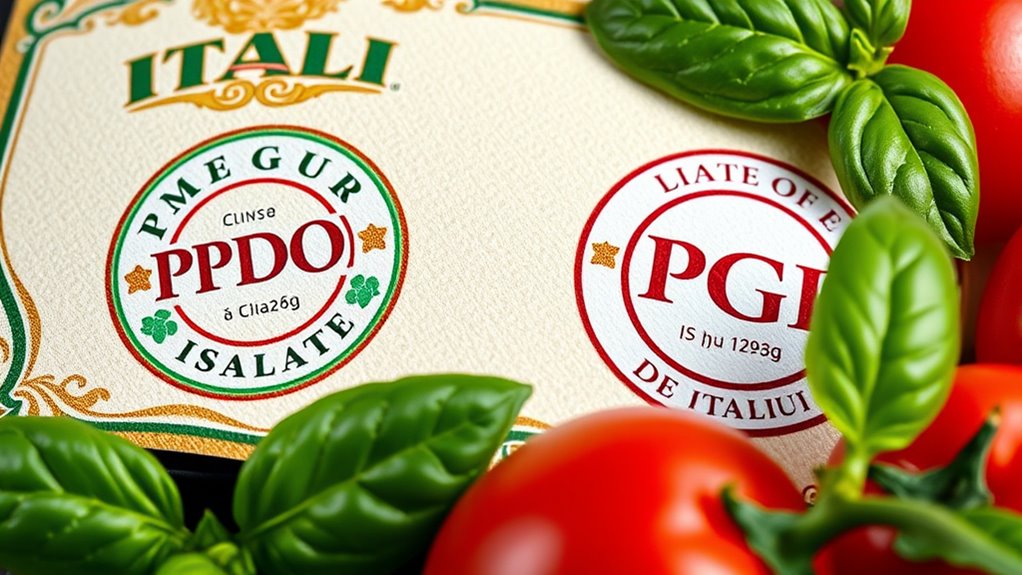

When you see labels like PDO and PGI on Italian foods, they tell you about their origins and authenticity. PDO guarantees products come from a specific place using traditional methods, while PGI highlights regional ties with some flexibility. Other marks assure quality and help you trust the product’s origin. Recognizing these labels helps you enjoy genuine Italian flavors and supports local artisans. Keep exploring to discover more about what these labels mean for your food choices.

Get home appliances delivered free with Prime
- Fast, free delivery on millions of items
- Prime Video, Amazon Music and more included
- Member-only deals all year
Key Takeaways
- PDO guarantees product authenticity from a specific region using traditional methods, emphasizing regional identity and craftsmanship.
- PGI indicates at least one production stage occurs in the area, allowing more flexibility while maintaining regional authenticity.
- Other quality marks and certifications verify product quality, authenticity, and adherence to traditional production standards.
- Labels help consumers identify genuine Italian foods, supporting local economies and preserving culinary heritage.
- Quality marks reflect traditional methods, promote regional pride, and enhance Italy’s global reputation for authentic cuisine.
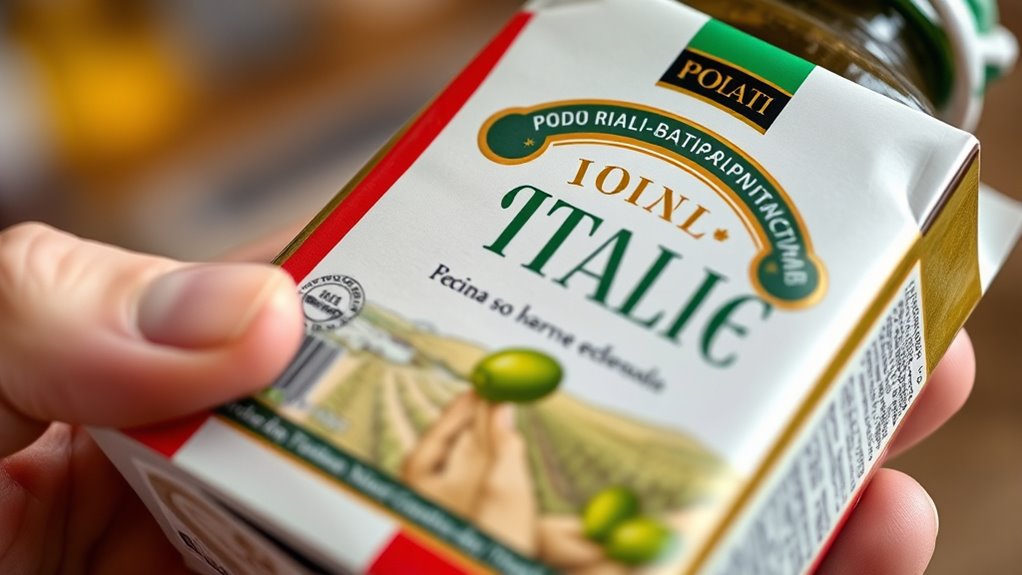
Have you ever wondered what those Italian food labels really mean? When you see labels like PDO or PGI on products, it can seem confusing, but understanding them helps you appreciate the quality and origins of what you’re eating. These labels aren’t just random stamps; they signify a commitment to traditional production methods and regional authenticity. PDO, or Protected Designation of Origin, guarantees that a product comes from a specific place and is made using traditional techniques unique to that region. For example, a Parmigiano-Reggiano cheese with a PDO label isn’t just any cheese—it’s crafted according to strict standards that preserve its regional identity. This ensures that the cheese embodies the local climate, soil, and traditional methods passed down through generations. When you choose a PDO product, you’re supporting local artisans and farmers who keep regional authenticity alive through their craftsmanship.
PGI, or Protected Geographical Indication, also emphasizes regional ties but offers slightly more flexibility. It indicates that at least one stage of production or processing takes place in a particular area, but the product may not be entirely made using traditional methods in the same way as PDO items. Still, PGI labels highlight products that are closely linked to their region, maintaining a sense of regional authenticity. For instance, a Balsamic Vinegar of Modena with PGI status signifies that the vinegar has a strong regional connection and adheres to certain quality standards, even if some production steps occur outside the original area. These quality marks serve as a guarantee that the product respects the regional traditions and practices that have shaped its unique flavor and character.
Beyond PDO and PGI, there are other marks and certifications that further verify quality and authenticity. These labels help you navigate the complex world of Italian foods, making it easier to identify genuine products rooted in traditional production. They also help protect local economies by discouraging imitation and ensuring that authentic regional specialties continue to thrive. Additionally, certification standards play a crucial role in maintaining product integrity and consumer trust. When you read these labels, you’re not just checking a mark; you’re supporting centuries-old methods that preserve Italy’s culinary heritage. Whether it’s cheese, wine, olive oil, or cured meats, understanding these labels empowers you to make informed choices, enabling you to enjoy the true taste of Italy’s regional authenticity. So next time you shop, look closely—those labels tell a story of tradition, pride, and regional identity that’s worth savoring.
As an affiliate, we earn on qualifying purchases.
Frequently Asked Questions
How Do I Identify Authentic Italian Products Abroad?
To identify authentic Italian products abroad, look for authentic sourcing by checking for official certification verification, such as PDO or PGI labels. These marks guarantee the product meets strict Italian quality standards and originates from specific regions. Always buy from reputable stores or trusted online sellers, and examine packaging for official seals. Doing so guarantees you’re purchasing genuine Italian products and supporting authentic craftsmanship.
Are PDO and PGI Labels Legally Protected Outside Italy?
Imagine buying genuine Parmigiano-Reggiano in a foreign market and noticing its PDO label. You might wonder, is that legal protection valid internationally? Yes, PDO and PGI labels have legal protection and international recognition through agreements like TRIPS. This means authentic Italian products with these marks are protected worldwide, preventing counterfeits and ensuring quality, giving you confidence in what you’re purchasing abroad.
Can Non-Italian Producers Use These Quality Marks?
You can’t freely use PDO or PGI labels unless you have proper international licensing, as export regulations strictly control their use. Non-Italian producers must meet specific legal requirements and obtain authorization to display these marks, ensuring their products genuinely originate from Italy and meet quality standards. Ignoring these rules risks legal penalties and damaging your reputation, so always verify compliance with export regulations before marketing products with these protected designations.
What Are the Differences Between DOCG, DOC, and IGT Labels?
You might find it surprising, but DOCG, DOC, and IGT are Italian wine classifications that guarantee regional authenticity and quality. DOCG (Denominazione di Origine Controllata e Garantita) is the highest, ensuring strict standards and aging requirements. DOC (Denominazione di Origine Controllata) also guarantees regional authenticity but with slightly less strict rules. IGT (Indicazione Geografica Tipica) offers more flexibility, allowing innovation while still highlighting a specific region.
Do These Labels Affect the Price of Italian Products?
Yes, these labels do affect the price of Italian products. They enhance branding impact and influence consumer perception by signifying authenticity and quality. When you see PDO or PGI marks, you’re likely to perceive the product as more genuine, which often justifies a higher price. These labels boost the product’s prestige, making consumers willing to pay more for trusted, high-quality Italian food and wine.
Conclusion
Understanding Italian food labels like PDO and PGI helps you make informed choices and support authentic products. Many believe these labels guarantee superior quality, but some skeptics argue they can be manipulated or misused. Still, by learning what these marks mean, you’re more empowered to enjoy genuine Italian flavors and protect local producers. So next time you shop, trust your knowledge—after all, authenticity often begins with recognizing what’s on the label.
Halloween Picks
halloween
As an affiliate, we earn on qualifying purchases.