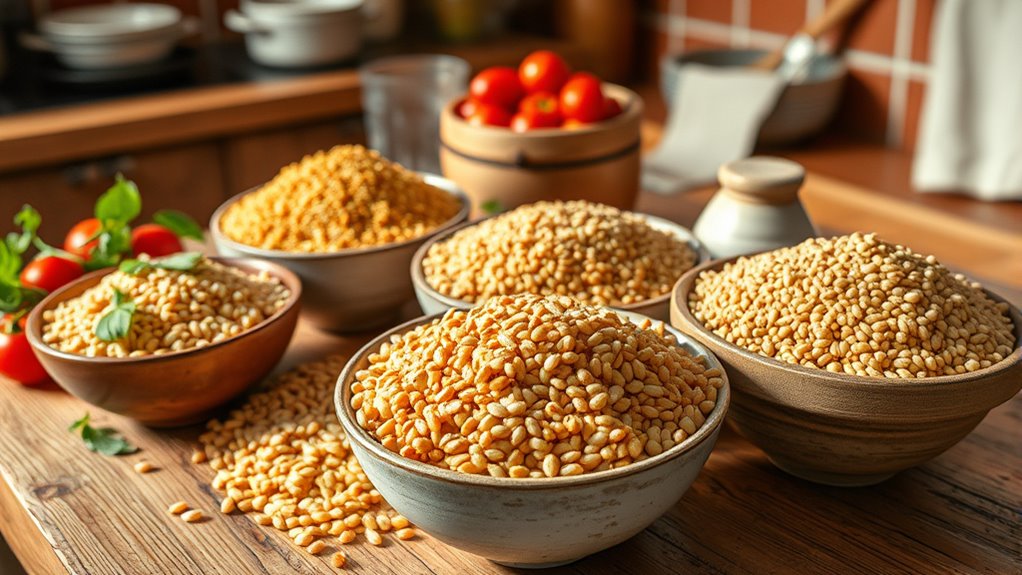

Ancient grains like spelt and einkorn add both flavor and nutrition to Italian dishes. They’re rich in essential minerals such as magnesium, zinc, and iron, which support your energy, immune system, and overall health. Many of these grains contain less gluten and are easier to digest than modern wheat, making them suitable for a broader diet. Incorporating them can elevate your meals while boosting your well-being—discover more about their culinary potential and benefits.
Key Takeaways
- Ancient grains are rich in essential minerals like magnesium, zinc, iron, and selenium, enhancing nutritional value in Italian dishes.
- Lower gluten content and easier digestibility make ancient grains suitable for sensitive or gluten-aware diets.
- Incorporating these grains supports overall health, strengthening bones, immune function, and filling nutritional gaps.
- Their nutty flavor and chewy texture elevate traditional Italian recipes such as risottos, soups, and salads.
- Using ancient grains promotes a balanced, flavorful, and health-conscious approach to authentic Italian cooking.
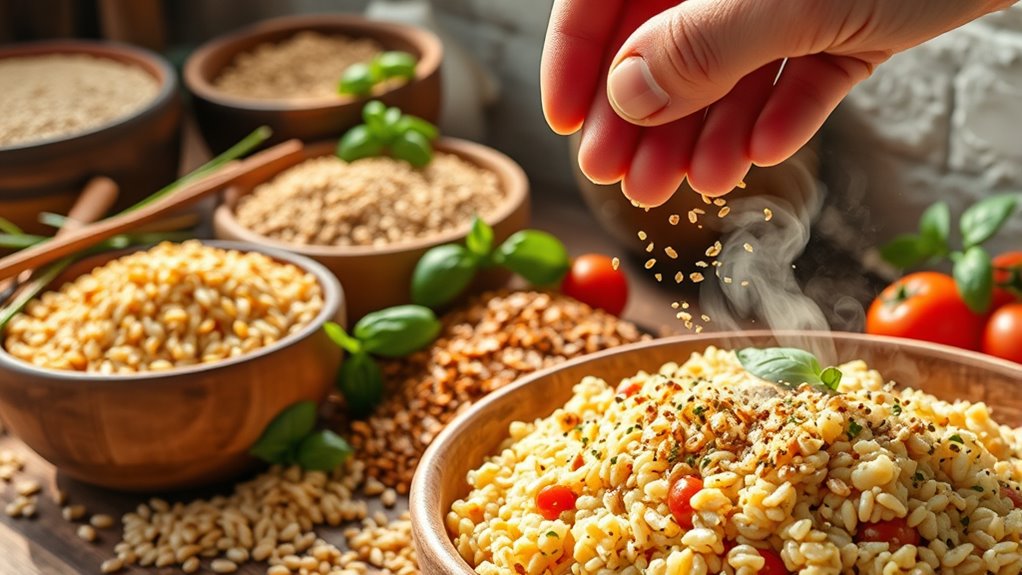
Ancient grains have gained popularity in Italian cooking not just for their unique flavors but also for their impressive nutritional profiles. When you incorporate these grains into your dishes, you’re not just adding a new taste; you’re also enhancing the health benefits of your meals. One notable aspect to contemplate is their gluten content. Unlike modern wheat, many ancient grains such as spelt and einkorn contain lower levels of gluten, making them a better choice for those sensitive to gluten but who still want to enjoy the texture and taste of traditional pasta or bread. While they are not entirely gluten-free, their gluten is often easier to digest, which can help reduce gastrointestinal discomfort. This makes ancient grains a versatile option for a wider range of diets without sacrificing the authentic Italian flavor you love.
Beyond gluten considerations, ancient grains are renowned for their mineral richness. These grains pack a punch when it comes to essential nutrients like magnesium, zinc, iron, and selenium. For example, farro and kamut are particularly high in magnesium, which supports muscle function and energy production. Iron, essential for oxygen transport in your blood, is abundant in emmer and spelt, helping to prevent fatigue and boost overall vitality. Consuming these grains regularly can help fill nutritional gaps, especially if your diet is lacking in diverse sources of minerals. The mineral content can also contribute to maintaining healthy bones, supporting immune function, and enhancing overall well-being. Additionally, the process of proper cooking methods can unlock even more of these nutrients, making your meals both delicious and nourishing.
In Italian cuisine, you might find ancient grains used in hearty soups, risottos, or hearty salads. Their mineral density means that each bite not only satisfies your taste buds but also supplies your body with essential nutrients. Cooking these grains properly reveal their full potential, giving your dishes a nutty flavor and chewy texture that elevates traditional recipes. Incorporating them into your kitchen helps you enjoy a balanced diet, blending rich flavors with powerful nutrition. By choosing ancient grains, you’re making a conscious decision to prioritize health without compromising on the authentic taste that Italian cuisine is famous for.

Ancient Grains On The Table
As an affiliate, we earn on qualifying purchases.
As an affiliate, we earn on qualifying purchases.
Frequently Asked Questions
Are Ancient Grains Suitable for Gluten-Free Diets?
Yes, ancient grains like quinoa, millet, and amaranth are suitable for gluten-free diets. They serve as excellent gluten-free alternatives for those with dietary restrictions, allowing you to enjoy diverse textures and flavors in your Italian dishes. Incorporating these grains helps you maintain a balanced diet while respecting your gluten-free needs, making your meals both nutritious and satisfying without compromising your dietary restrictions.
How Do Ancient Grains Compare Cost-Wise to Modern Grains?
Ancient grains tend to be more expensive than modern grains due to limited availability and specialized farming practices. When you compare costs, you’ll notice affordability factors like sourcing from local producers or buying in bulk can help reduce expenses. While they might cost more upfront, investing in ancient grains can offer superior nutrition and flavor, making them a worthwhile choice for those seeking quality ingredients in Italian cooking.
Can Ancient Grains Be Used in Desserts?
Think of ancient grains as the canvas for your dessert masterpiece. You can absolutely use them in sweet alternatives or grain-based confections, giving your treats a hearty, nutty flavor that’s both unique and nutritious. Flour made from ancient grains works beautifully in cakes, cookies, and puddings. Their natural sweetness can be enhanced with honey or fruit, creating wholesome desserts that delight the senses and pay homage to tradition.
What Are the Best Storage Methods for Ancient Grains?
To guarantee proper grain preservation, store your ancient grains in airtight storage containers to keep moisture and pests out. Keep them in a cool, dark place like a pantry or cupboard, away from direct sunlight and heat. Label containers for easy identification, and avoid storing grains near strong-smelling foods, which can affect their flavor. Regularly check for signs of spoilage to maintain their freshness and nutritional value.
Do Ancient Grains Require Different Cooking Techniques?
Did you know that soaking techniques can greatly decrease cooking times for ancient grains? Yes, they often require different cooking methods compared to modern grains. You’ll want to soak them overnight to improve digestibility and guarantee even cooking. Be prepared for longer cooking times if you skip soaking, sometimes up to an hour. Adjust your recipes accordingly, and you’ll enjoy perfectly cooked grains with ideal texture and flavor.

Jovial Einkorn 100% Organic Whole Grain Fusilli – Einkorn Pasta, High Protein, Non-GMO, USDA Certified Organic, Lower Carb, Delicious Pasta Made in Italy – 12 Oz, 6 Pack
ORIGINAL AND PURE – Einkorn is the original wheat and is better tolerated by people sensitive to modern…
As an affiliate, we earn on qualifying purchases.
As an affiliate, we earn on qualifying purchases.
Conclusion
Imagine cooking with ancient grains is like unearthing treasure in your own kitchen—each grain packed with history and health. Incorporating these grains into your Italian dishes boosts fiber, protein, and essential nutrients, transforming simple recipes into nourishing experiences. Just as a well-crafted pasta sauce elevates a meal, adding ancient grains enriches your plate and well-being. So, next time you cook, think of yourself as an explorer, discovering hidden gems that nourish both body and soul.

Yupik Organic Whole Grain Einkorn Flour 2.2 lb, USDA Certified, Ancient Grain Flour, Lower Gluten, Easy to Digest, Ideal for Baking Breads, Pancakes & Pasta
Ancient Whole Grain Flour: Made from finely milled organic einkorn wheat, one of the earliest cultivated grains in…
As an affiliate, we earn on qualifying purchases.
As an affiliate, we earn on qualifying purchases.

Rustichella d'Abruzzo Whole Wheat Penne Rigate Pasta, Stone-Ground Durum Semolina, High Bran Content, Nutty Flavor, Perfect for Rich Sauces & Baked Dishes, Authentic Italian, 500g, 2-Pack
100% Whole Wheat Durum Semolina: Made from stone-ground whole wheat semolina for a nutrient-rich, high-bran content, and a…
As an affiliate, we earn on qualifying purchases.
As an affiliate, we earn on qualifying purchases.