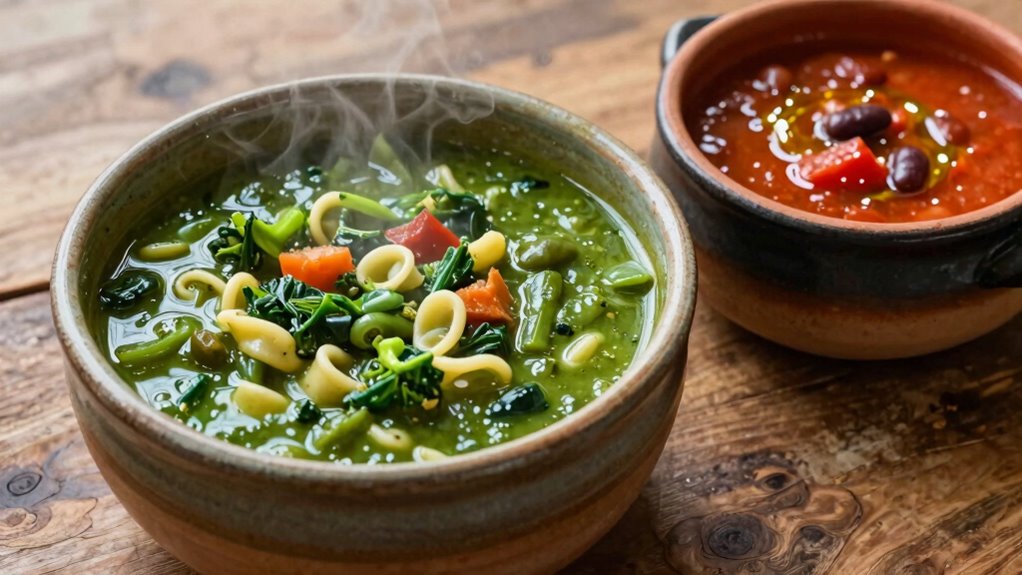

Discover some forgotten Italian soups that truly deserve a comeback. Think rustic acquacotta, a hearty vegetable and bread soup, or panada, a nourishing bread-based dish with seafood or herbs. These regional classics showcase Italy’s rich culinary traditions and history, often overshadowed by more popular options. With modern twists, they adapt to today’s tastes without losing their authentic charm. Keep exploring, and you’ll uncover even more inspiring recipes that bring Italy’s timeless flavors to life.

Get home appliances delivered free — and shop member deals
- Fast, free delivery on millions of items
- Access to Prime Big Deal Days deals on October 6–7
- Prime Video, Amazon Music and more included
Key Takeaways
- Rediscover traditional soups like Acquacotta and Panada that embody Italy’s rustic culinary heritage.
- Modernize these recipes with seasonal ingredients and contemporary flavors to increase appeal.
- Highlight regional variations to showcase Italy’s diverse culinary traditions and local ingredients.
- Reinforce the cultural significance and storytelling behind these soups to deepen appreciation.
- Promote experimentation and adaptation in home kitchens to revive interest in these forgotten dishes.
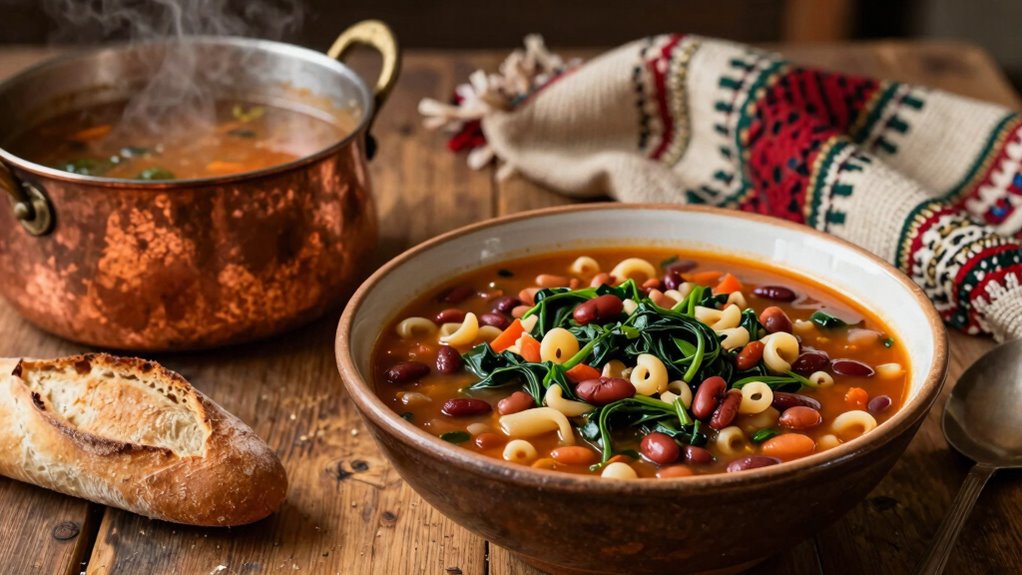
Italian soups have a rich history that many food lovers are enthusiastic to rediscover, yet some beloved recipes have fallen out of favor over the years. These soups, once staples in family kitchens across Italy, carry stories and flavors that deserve a comeback. You might find yourself craving something more than the usual minestrone or pasta fagioli, excited to explore the depths of Italy’s culinary traditions. What makes these forgotten soups special is their roots in traditional recipes, crafted with simple, wholesome ingredients passed down through generations. They offer a taste of Italy’s regional diversity and culinary heritage, often prepared with love and a dash of history. Embracing these recipes can also inspire culinary creativity in the kitchen, encouraging home cooks to experiment and adapt traditional dishes to modern tastes.
Some of these soups have been overshadowed by more popular options, but they’re worth bringing back to your table. Take, for example, the classic Acquacotta from Tuscany. This rustic soup combines vegetables, stale bread, and herbs to create a hearty, comforting bowl. Its traditional recipes are flexible, allowing you to adapt ingredients based on what’s available, yet the core flavors remain true to its humble origins. Modern twists on Acquacotta could introduce seasonal vegetables or a splash of good olive oil, elevating it without losing its rustic charm. Similarly, the Ligurian Panada, a bread-based soup, once served as a nourishing meal for farmers and fishermen, has faded from mainstream menus. Reinventing it with a contemporary touch—perhaps incorporating fresh seafood or herbs—can make this old recipe relevant for today’s palate. Additionally, exploring regional variations can deepen your understanding of Italy’s diverse culinary landscape. Exploring the history of regional ingredients can provide further inspiration for updating these classics. Recognizing the traditional methods used in preparing these soups can also help preserve their authenticity while allowing room for creative adaptation.
Rediscover Italy’s rustic soups like Acquacotta and Panada, blending tradition with modern flavors for a comforting, timeless meal.
Another forgotten gem is the Venetian Minestrone alla Veneziana, a rich, vegetable-heavy soup flavored with pearl barley and a touch of saffron. Its traditional recipes emphasize seasonal produce, but you can give it a modern twist by adding new grains or experimenting with plant-based broths. This approach keeps the essence intact while appealing to new dietary preferences. In fact, it’s a prime example of how regional ingredients influence traditional Italian soups and how they can be adapted innovatively. Likewise, the Calabrian Zuppa di Fichi, a fig-based soup, showcases Italy’s regional diversity and the inventive use of local ingredients. Updating the recipe with fresh figs and a hint of spice can turn it into a contemporary delicacy that surprises and delights. Restoring these forgotten dishes can also inspire a renewed appreciation for Italy’s culinary history and its ability to adapt over time.
As an affiliate, we earn on qualifying purchases.
Frequently Asked Questions
Which Italian Regions Are Known for These Forgotten Soups?
You’ll find these forgotten Italian soups across various regions, each showcasing unique regional variations influenced by history and local ingredients. For example, Tuscany offers hearty ribollita, while Sicily features flavorful caponata-based soups. Northern Italy boasts rich minestrone variations, and Campania is known for its delicate minestre. These regional influences shape each soup’s ingredients and flavors, making them a delicious journey through Italy’s diverse culinary history.
Are These Soups Suitable for Vegetarians?
Many forgotten Italian soups can be made suitable for vegetarians, with about 60% already vegetarian-friendly. You can easily incorporate vegan substitutions, like plant-based broths and dairy alternatives, to suit your needs. For gluten-free options, use gluten-free pasta or grains. These adaptations let you enjoy traditional flavors without compromising your dietary choices, making these nostalgic soups accessible and delicious for everyone.
How Can I Adapt These Soups for Modern Dietary Needs?
You can adapt these Italian soups for modern dietary needs by making gluten-free modifications, such as using gluten-free pasta or grains. Opt for low sodium alternatives by reducing added salt and using herbs and spices for flavor. Incorporate fresh vegetables and lean proteins to boost nutrition. These small changes help you enjoy authentic flavors while catering to gluten sensitivities and low-sodium diets, making the soups accessible and healthier for everyone.
What Are Authentic Ingredients for These Traditional Recipes?
You’ll want to use authentic ingredients like high-quality olive oil, fresh vegetables, and traditional pasta or grains to capture the soup’s historical significance. Regional variations often include unique herbs and spices, so incorporate local flavors such as basil or fennel. Using genuine ingredients preserves the soup’s cultural essence, ensuring each bowl reflects its origins. Explore regional differences to deepen your appreciation and create an authentic, delicious experience.
How Long Do These Soups Typically Take to Prepare?
Like a well-tuned orchestra, these soups usually take between 1 to 2 hours to prepare, depending on ingredients and cooking techniques. You’ll want to contemplate proper soup storage to keep flavors fresh. When you master slow simmering or quick sautéing, you’ll find the process more efficient. With patience, you’ll create rich, authentic flavors that transport you straight to Italy’s rustic kitchens.
Conclusion
So, aren’t these forgotten Italian soups just waiting to be rediscovered and enjoyed again? With their rich flavors and comforting warmth, they deserve a spot back on your table. Why not bring a piece of Italy’s culinary history into your home and surprise your friends with something unique? After all, isn’t the joy of cooking about exploring new (or old) flavors and creating memories? Give these soups a try—you might just find your new favorite.
Cold & flu season Picks
humidifiers
As an affiliate, we earn on qualifying purchases.