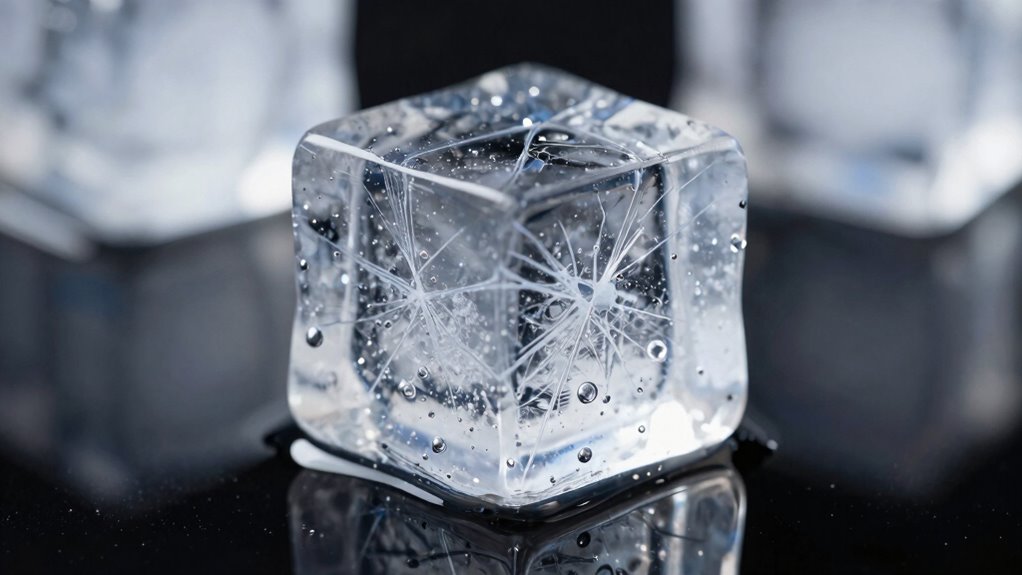

Clear ice isn’t magic; it’s science. The cloudiness comes from trapped air bubbles, minerals, and uneven freezing. To make it clear, freeze water slowly and in a controlled way, such as using an insulated cooler to guide crystal growth. Avoid rushing the process or using impure water. Proper techniques help your ice become transparent and perfect for cocktails. Keep exploring, and you’ll discover how to master the science behind crystal-clear ice.
Key Takeaways
- Slow, directional freezing allows impurities and air bubbles to be pushed out, creating clearer ice.
- Using purified or distilled water reduces dissolved minerals and impurities that cause cloudiness.
- Insulating the ice during freezing promotes uniform crystal formation and minimizes rapid freezing artifacts.
- Removing cloudy sections after freezing ensures only clear, dense ice remains for visual appeal.
- Proper storage in airtight containers prevents melting and absorption of odors, maintaining ice clarity.

Philips 7000 Series Pasta Maker, ProExtrude Technology 150W, 8 discs, Perfect Mixing Technology, Prepare up to 8 Portions, HomeID App, White, (HR2660/03)
PASTA UNDER 10 MINUTES: Enjoy fresh homemade pasta effortlessly in under 10 minutes¹.
As an affiliate, we earn on qualifying purchases.
Why Does Ice Turn Cloudy: And How Can You Make It Clear?
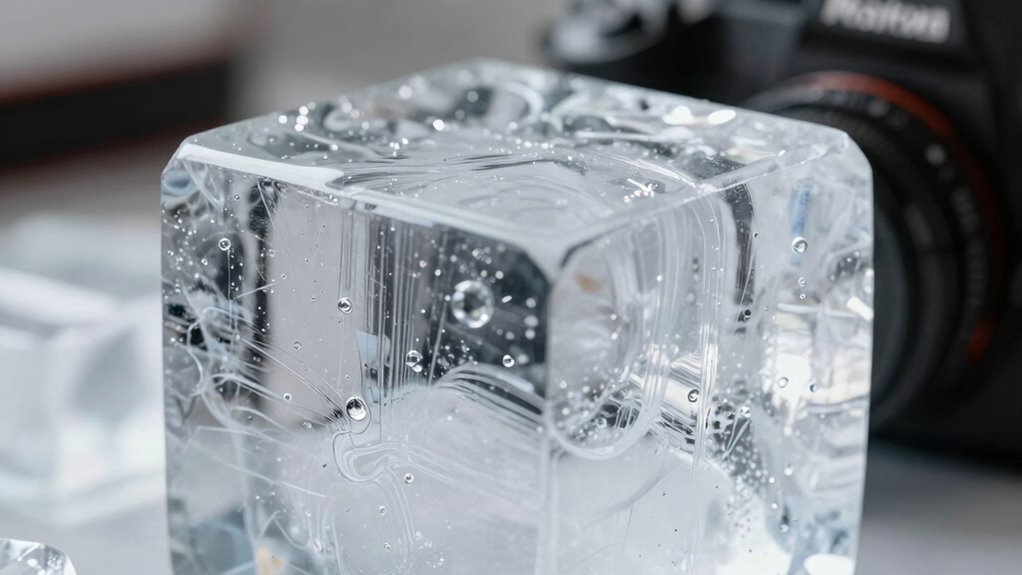
Ice turns cloudy because of trapped air bubbles, minerals, and uneven freezing. These factors affect the ice’s composition, disrupting the uniform crystal formation needed for clarity. When water freezes quickly or irregularly, air pockets become trapped inside, creating tiny bubbles that scatter light and give the ice a cloudy appearance. Minerals and impurities also contribute to this cloudiness, settling unevenly or remaining suspended within the ice. Proper freezing encourages consistent crystal formation, where water molecules arrange themselves into a dense, transparent lattice. Rapid freezing or inconsistent temperatures prevent this orderly arrangement, resulting in cloudy, opaque ice. Achieving clear ice involves controlling these elements through proper freezing techniques, which guarantees a more uniform crystal formation, leading to beautifully clear, visually appealing ice cubes.
Philips Kitchen Appliances Compact Pasta and Noodle Maker, Viva Collection, Comes with 3 Default Classic Pasta Shaping Discs, Fully Automatic, Recipe Book, Small, White (HR2370/05)
Automatically kneads and extrudes 2-3 servings of fresh pasta in just 18 minutes thanks to uniquely designed stirring...
As an affiliate, we earn on qualifying purchases.
How to Make Crystal-Clear Ice at Home: Simple Techniques
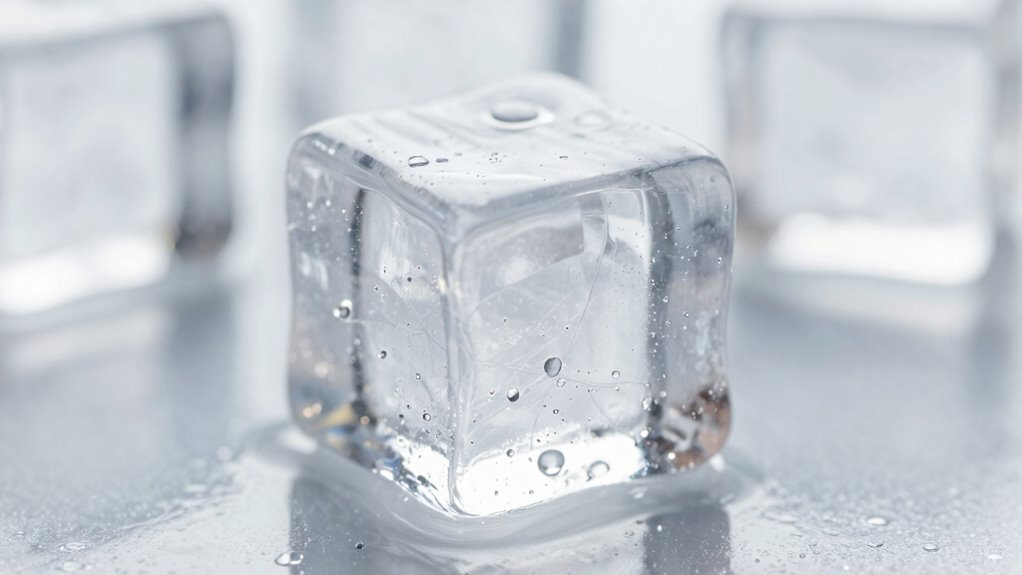
To make crystal-clear ice at home, you need to control the freezing process carefully. Unlike freezing water in a typical tray, consider using an insulated cooler, similar to how ice sculptures and frozen lakes develop clarity. Fill the cooler with water and leave the lid off, allowing impurities to settle at the bottom. Freeze slowly, ideally at a temperature just below freezing, which encourages pure water to freeze first, pushing air and impurities upward. Once frozen, remove the block from the cooler and trim away any cloudy sections. This method mimics natural freezing conditions, producing clear, beautiful ice perfect for drinks or artistic projects. Patience and proper insulation are key to achieving that pristine, crystal-clear finish. Additionally, understanding the innovative European cloud servers behind sustainable solutions can inspire smarter, more environmentally-conscious choices in your everyday life. Incorporating backyard transformation essentials, such as creating designated seating areas or adding landscaping, can also enhance your outdoor space while you wait for your ice to freeze perfectly.

VEVOR Electric Pasta Maker, 150W Automatic Noodle Maker Machine with 8 Pasta Shapes, 4 Intelligent Modes, 500g Flour Capacity Pasta Maker Machine with Measuring Cups, Cleaning Brush for Home Kitchen
User-Friendly Operation: Designed for ease of use, this pasta maker machine comes with recipes and simple ratios to...
As an affiliate, we earn on qualifying purchases.
What Factors Affect Ice Clarity: Freezing Speed and Direction
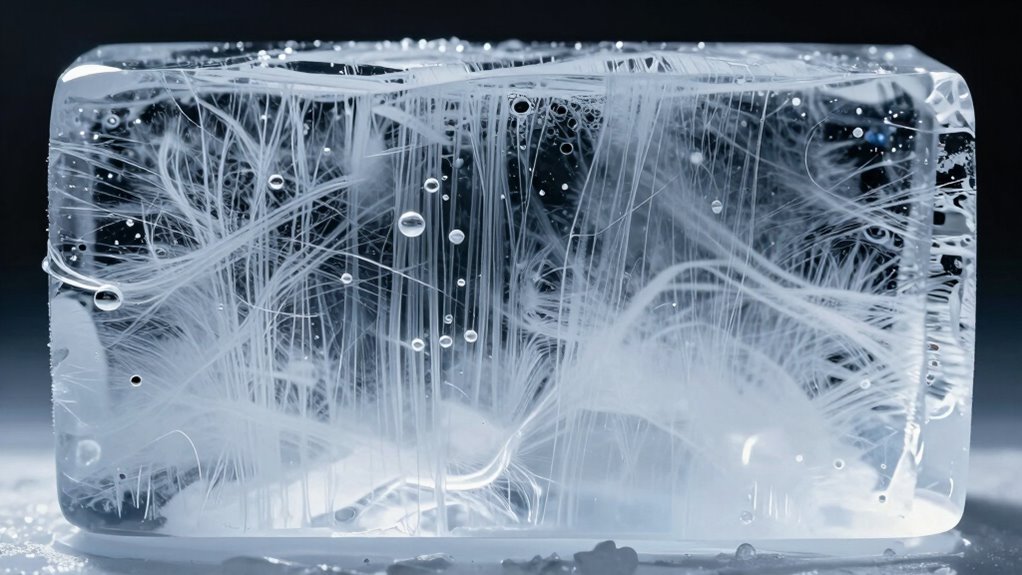
The way water freezes considerably impacts ice clarity, especially regarding freezing speed and direction. Rapid freezing encourages uniform ice crystal structures, reducing trapped air and impurities. Slow freezing allows larger, uneven ice crystals, which can trap air and cloud the ice. Controlling the freezing temperature and direction guides crystal growth, resulting in clearer ice. For example, directional freezing pushes impurities downward, producing transparent layers. Here’s how different factors influence clarity:
| Freezing Speed | Ice Crystal Structure | Result |
|---|---|---|
| Fast | Fine, uniform | Clear, less cloudy |
| Slow | Large, uneven | Cloudy, trapped air |
| Directional | Aligned crystals | Improved transparency |
| Random | Disorganized | Increased cloudiness |
| Controlled | Consistent growth | Optimal clarity |
Adjusting these factors helps you produce crystal-clear ice every time. Additionally, temperature control plays a crucial role in managing crystal formation and ensuring clarity throughout the freezing process.

VEVOR Electric Pasta Maker, 150W Automatic Noodle Maker Machine with 8 Pasta Shapes, 4 Intelligent Modes, 500g Flour Capacity Pasta Maker Machine with Measuring Cups, Cleaning Brush for Home Kitchen
User-Friendly Operation: Designed for ease of use, this pasta maker machine comes with recipes and simple ratios to...
As an affiliate, we earn on qualifying purchases.
Common Mistakes That Cloud Your Ice and How to Avoid Them
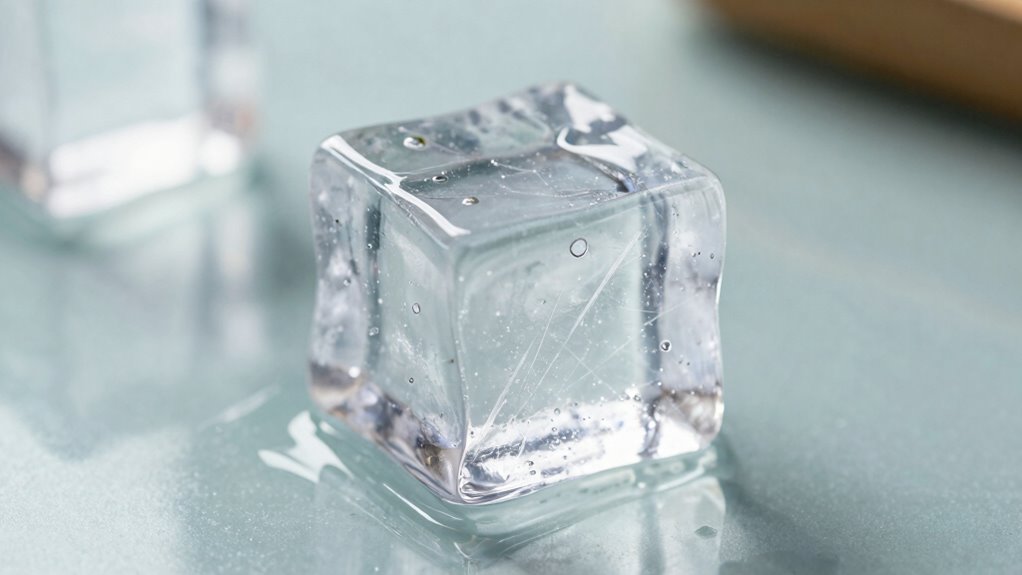
Many common mistakes can cloud your ice, undermining its clarity and presentation. One major error is not controlling the freezing temperature; if it’s too warm, impurities don’t separate properly, causing cloudiness. Second, using water with impurities introduces particles that won’t freeze out, creating cloudy spots. Third, rushing the freezing process by not allowing the water to freeze slowly can trap air bubbles and impurities inside. To avoid these issues, always use purified or distilled water, ensure your freezer is at the right temperature, and freeze slowly by using a controlled environment or insulating your tray. These steps help minimize impurities and promote clear ice, giving you a pristine presentation every time.
Tips for Keeping Your Clear Ice Perfect in Cocktails and Whiskey
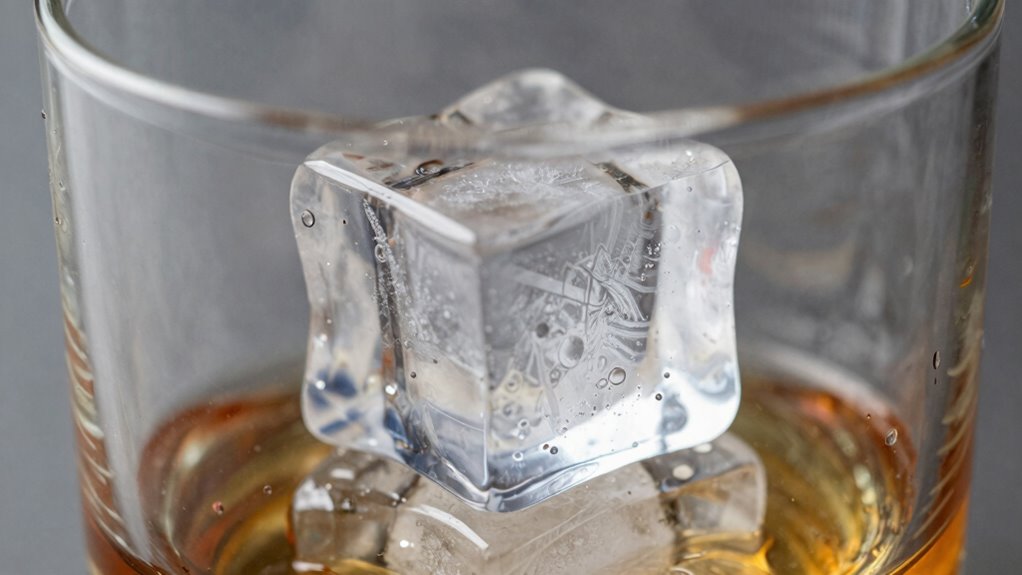
Keeping your clear ice pristine in cocktails and whiskey requires attention to detail, especially as the ice melts and interacts with your drink. Proper ice storage is essential; keep your ice in airtight containers or sealed bags to prevent absorption of freezer odors and reduce melting. When serving, handle the ice carefully to minimize cracks and cloudiness, which can detract from your cocktail presentation. Use tongs or a dedicated scoop to avoid melting and contamination. Consider pre-chilling your glasses to slow down melting and preserve clarity. Maintaining your ice’s quality also involves proper storage techniques, which help keep it visually stunning and enhance the drink experience. Additionally, understanding freezer organization can help you store and access your ice more efficiently, preserving its clarity longer. Implementing consistent freezing methods can further improve ice clarity and longevity. By managing storage and handling, you ensure your clear ice stays visually stunning and enhances the drink experience. This attention to detail makes your cocktails look professional and keeps the ice melting at a controlled pace. Proper temperature control is essential to prevent unnecessary melting and maintain the clarity of your ice over time.
Frequently Asked Questions
Can Different Water Types Affect Ice Clarity?
Yes, different water types affect ice clarity. Water purity plays a key role; purified or distilled water creates clearer ice because it contains fewer impurities and minerals that cause cloudiness. Additionally, controlling the freezing rate matters—slower freezing allows air bubbles and impurities to escape, resulting in clearer ice. So, using pure water and freezing it slowly will give you the clearest, most attractive ice.
Is Boiling Water Necessary for Clear Ice?
Is boiling water necessary for clear ice? Not always, but it helps. Boiling water reduces impurities and dissolved gases, improving clarity through better purity considerations. If you want crystal-clear ice, boiling water is a smart step, but you can also use filtered water to achieve similar results. The key is minimizing air bubbles and impurities, whether by boiling or choosing purer water sources, to get that perfect clear ice.
How Long Does It Take to Make Clear Ice?
It takes about 24 to 48 hours to make clear ice, depending on your water purity and freezing speed. If you use pure, filtered water and control the freezing process, you can achieve clearer ice faster. Keep your freezer at a consistent temperature and insulate the ice tray to slow the freezing, which helps reduce trapped air and cloudiness. Patience guarantees a perfect, clear ice block.
Does the Shape of the Container Impact Clarity?
Imagine a smooth, seamless mold design shaping your crystal-clear ice; yes, the container shape does impact clarity. A well-designed mold minimizes air bubbles and uneven freezing, resulting in pristine ice. Opt for narrow, tall containers over wide, shallow ones, as they encourage slow, uniform freezing. Your choice of container shape and mold design directly influences the ice’s transparency, turning simple cubes into elegant, glass-like masterpieces.
Can Clear Ice Be Made Without Special Equipment?
Yes, you can make clear ice without special equipment by controlling purity levels and freezing temperature. Use purified water and boil it first to remove impurities, then let it cool. Freeze slowly at a slightly higher-than-normal freezing temperature to minimize air bubbles. Avoid disturbing the water during freezing, and you’ll achieve clearer ice, even without professional tools. Patience and careful handling are your best shortcuts to clear ice.
Conclusion
By understanding the science behind clear ice, you can craft stunning, professional-looking drinks—no need for a time machine. Remember to control freezing speed, use pure water, and avoid common mistakes. With a little practice, your cocktails will look as pristine as a Renaissance masterpiece. So, next time you pour a drink, think of it as an art, not magic, and enjoy the crystal-clear perfection you’ve created—no DeLorean required.