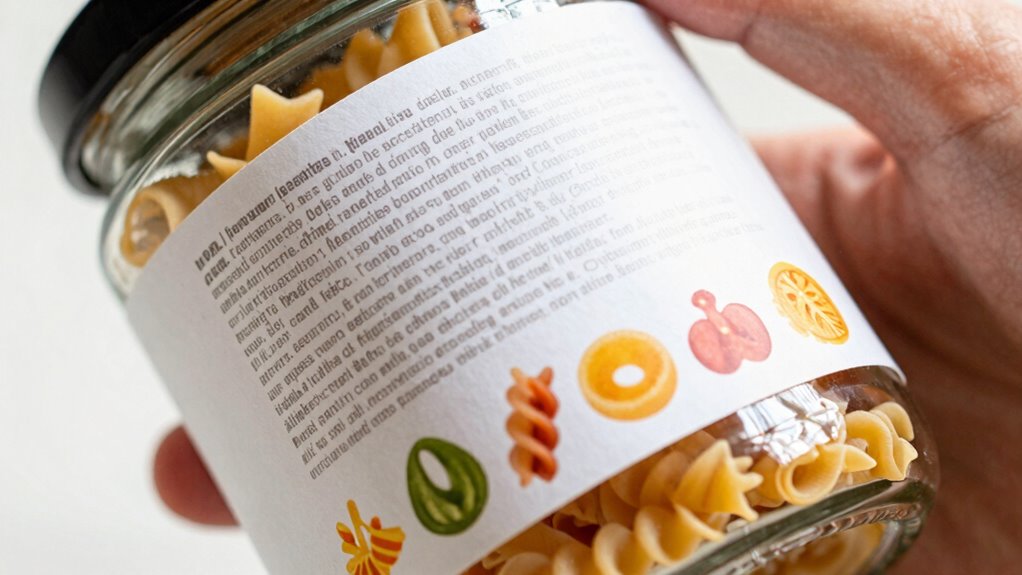
To avoid being fooled by pasta labels, carefully check the ingredients list for authenticity—look for whole wheat or grains if claiming to be whole grain, and verify if the product is genuinely gluten-free. Examine certification labels that confirm organic or traditional methods, ensuring quality and sustainability. Watch for packaging dates and signs of damage to guarantee freshness. If you keep this in mind, you’ll better understand what truly makes a quality pasta and why labels matter.

Get home appliances delivered free with Prime
- Fast, free delivery on millions of items
- Prime Video, Amazon Music and more included
- Member-only deals all year
Key Takeaways
- Check the ingredients list for whole grains or authentic ingredients, ensuring claims like “whole grain” or “gluten-free” are accurate.
- Verify certification labels (e.g., organic, gluten-free) to confirm product authenticity and adherence to standards.
- Examine packaging dates and shelf life to ensure freshness and quality of the pasta.
- Look for traditional production methods or regional details that indicate genuine craftsmanship.
- Scrutinize vague claims and labels to avoid misleading information and make informed purchasing decisions.
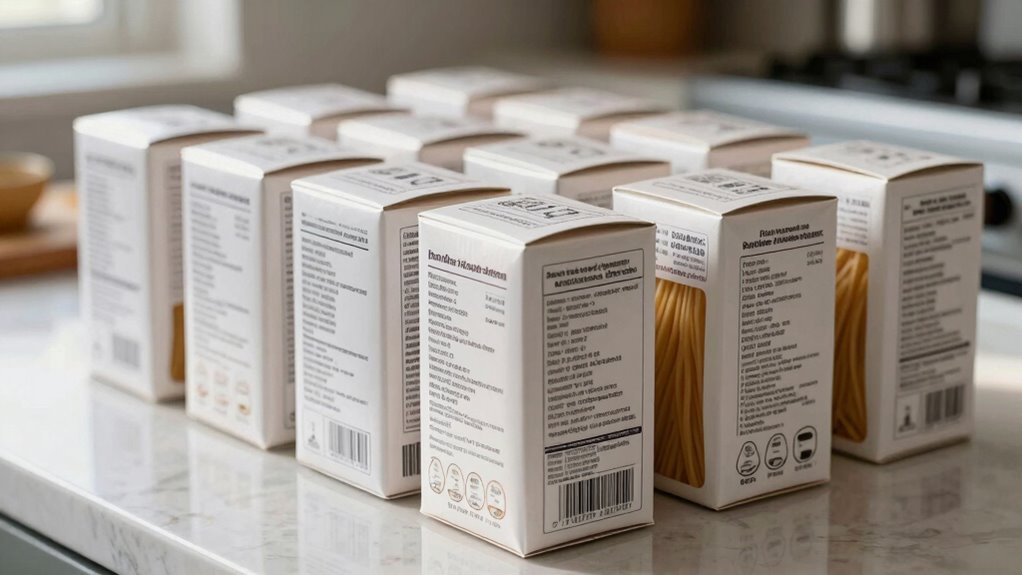
When shopping for pasta, understanding how to read the labels can help you choose the best product for your meal. Labels reveal more than just the brand; they tell you about ingredients, production methods, and even the history behind certain pasta types. For example, you might come across ancient pasta varieties, which have been made for centuries using traditional techniques. These pastas often feature unique shapes and flavors, and their labels can indicate if they’re crafted following authentic recipes. Recognizing these varieties ensures you’re getting a product with rich cultural significance and often a more robust taste.
Understanding pasta labels reveals history, tradition, and unique flavors for a richer dining experience.
Equally important is understanding the benefits of organic pasta. When you see the label “organic,” it means the pasta is made from wheat grown without synthetic pesticides, fertilizers, or genetically modified organisms. Organic pasta benefits extend beyond health; they support sustainable farming practices and reduce environmental impact. If you’re aiming for a cleaner, healthier diet, choosing organic options is a smart move. The labels usually specify whether the pasta is certified organic by reputable organizations, which gives you confidence that the product meets strict standards.
Reading pasta labels also helps you avoid misleading claims. Companies may market their products as “whole grain” or “gluten-free,” but it’s vital to check the ingredients list. Whole grain pasta should list whole wheat or other grains as the primary ingredient, not just contain added fiber or artificial enrichments. Similarly, gluten-free labels need to be verified, especially if you have allergies or sensitivities. Some labels may be vague or misleading, so taking a moment to scrutinize ingredients, certifications, and nutritional information ensures you’re making an informed choice.
In addition to ingredients, pay attention to the packaging date and shelf life. Fresher pasta often tastes better and maintains its nutritional value longer. If you’re buying dried pasta, check for any signs of damage or irregularities on the package that could compromise quality. For specialty pastas, like those made from ancient grains or organic wheat, the labels might include details about their unique characteristics or the region where they were produced. This extra information can enhance your appreciation of the pasta’s heritage and quality. Being aware of production methods can also help you select pasta that aligns with your values and preferences. Moreover, understanding certification labels can further guide you toward authentic and trustworthy products. Additionally, learning about sustainable practices in pasta production can help you make choices that support environmental conservation. Knowing how traditional techniques influence flavor and texture can deepen your enjoyment and appreciation of authentic pasta varieties.
Products Worth Considering

Roborock RockNeo Q110H Wire-Free Robot Lawn Mower

Sonos Era 100 SL Compact Microphone-Free Speaker, Black
LG C2 Series 65-Inch OLED evo 4K Smart TV (OLED65C2PUA, 2022)
As an affiliate, we earn on qualifying purchases.
Frequently Asked Questions
Are Gluten-Free Pasta Labels Always Reliable?
Gluten-free pasta labels aren’t always reliable, even with gluten-free certification. Manufacturers might still face cross-contamination risks during production, so traces of gluten could be present. Always check for certified gluten-free labels from reputable organizations, but stay cautious. If you’re highly sensitive, consider buying from trusted brands known for strict testing. When in doubt, contact the manufacturer directly to confirm their gluten-free practices and minimize any health risks.
What Does “Enriched” Mean on Pasta Packaging?
When you see “enriched” on pasta packaging, it means the product has added nutrients to boost its nutritional value, like vitamins and minerals lost during processing. This label helps you understand ingredient transparency and supports nutritional claims made by the brand. By paying attention to “enriched,” you can better assess the pasta’s health benefits and verify it meets your dietary needs, making your choice more informed.
Can Organic Pasta Still Contain Additives?
Organic pasta can still contain additives if they’re allowed under organic standards, but it’s less common. Organic certification restricts synthetic additives, preservatives, and artificial flavors, so reputable brands usually avoid them. Always check the label for any added ingredients, especially if you’re concerned about additives. Opt for pasta labeled “100% organic” or “certified organic” to guarantee it meets strict organic guidelines and minimizes additive concerns.
How Do I Identify Authentic Italian Pasta Brands?
To identify authentic Italian pasta brands, look for labels highlighting authentic regional origins, like “Made in Italy” or specific regional names. Trust brands that follow traditional recipes, using simple ingredients like durum wheat semolina and water. Check for certifications such as DOP or IGP, which guarantee regional authenticity. These indicators show the pasta’s genuine heritage, craftsmanship, and adherence to traditional methods, helping you choose quality, authentic Italian pasta.
Do Price Differences Indicate Quality?
Price differences can indicate quality, but they’re not the only factor. Higher prices often reflect strategic pricing and premium ingredient sourcing, which usually means better pasta. However, some brands charge more for branding or packaging. To truly gauge quality, look beyond price—check ingredients for authentic, simple components like durum wheat and avoid fillers. Remember, a higher price doesn’t always guarantee better pasta, but it’s often a good starting point.
Conclusion
By learning to read pasta labels carefully, you can confidently choose quality products that meet your needs. For example, imagine picking a bag labeled “100% Whole Wheat” but discovering it’s mostly refined flour—disappointing, right? Now, you’ll know to check the ingredients list for whole wheat as the first ingredient. With this knowledge, you’ll enjoy healthier, tastier pasta and avoid being fooled by misleading labels every time you shop.