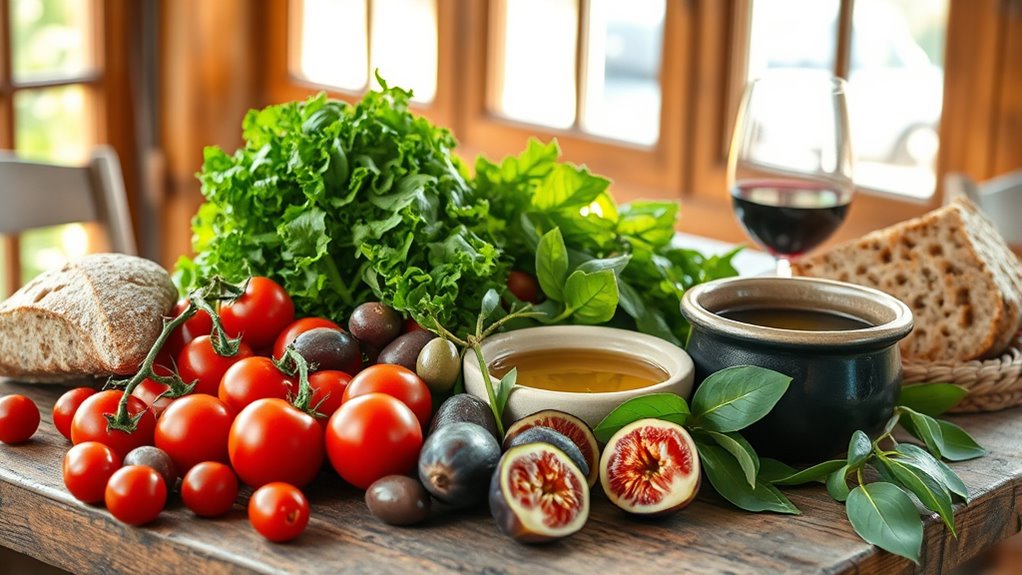

The Mediterranean diet’s UNESCO heritage status highlights its importance for promoting healthy living while preserving centuries-old culinary traditions that strengthen cultural identity and community bonds. This recognition celebrates the diet’s rich use of fresh, seasonal ingredients, shared meals, and sustainable practices that support local farms and artisans. By embracing these cultural practices, you not only improve your health but also connect with a vibrant history. Discover how this tradition continues to benefit both mind and body.

Get home appliances delivered free — and shop member deals
- Fast, free delivery on millions of items
- Access to Prime Big Deal Days deals on October 6–7
- Prime Video, Amazon Music and more included
Key Takeaways
- The Mediterranean diet is recognized as UNESCO intangible cultural heritage, emphasizing its cultural, social, and culinary significance.
- It promotes health benefits like reduced risk of cardiovascular disease and improved overall well-being through its nutrient-rich foods.
- The diet embodies traditional practices, seasonal ingredients, and communal eating, fostering cultural identity and social cohesion.
- UNESCO recognition helps preserve diverse regional food customs, supporting sustainable farming and artisanal food production.
- Embracing the Mediterranean diet encourages intercultural dialogue and trust, enriching global understanding of health and cultural heritage.
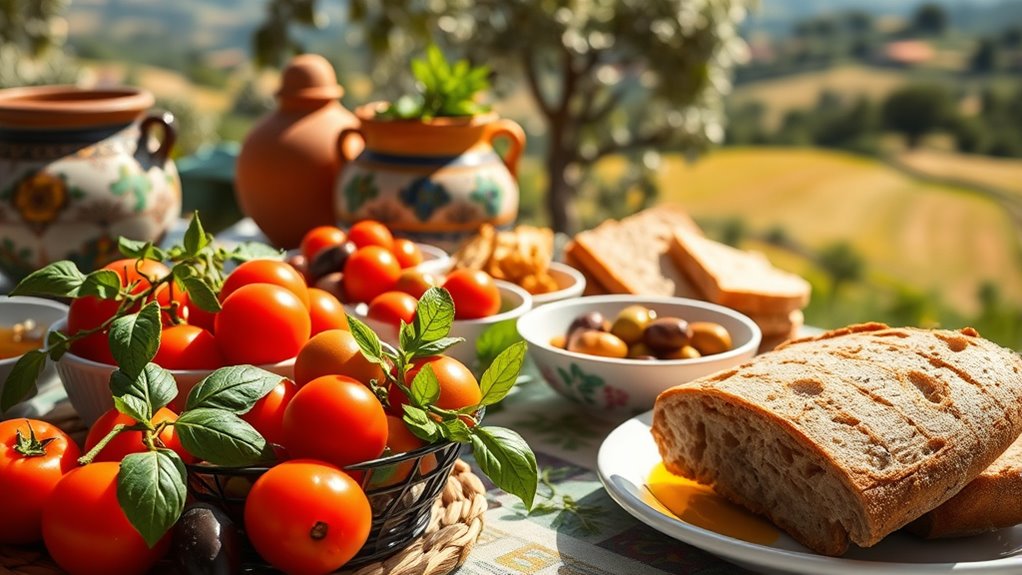
The Mediterranean diet has been recognized by UNESCO as an intangible cultural heritage, highlighting its significance not only for healthy living but also for preserving the region’s rich cultural traditions. This designation emphasizes that the diet isn’t just about food choices; it embodies a way of life rooted in centuries of history, geography, and social customs. When you embrace the Mediterranean lifestyle, you’re participating in a tradition that has been passed down through generations, maintaining the unique culinary practices that define the region. These culinary traditions are more than just recipes—they’re a reflection of cultural identity, community bonds, and regional values.
By preserving these culinary traditions, you help safeguard a diverse array of food practices that vary from coast to coast, village to village. Each area brings its unique ingredients, preparation methods, and communal rituals into the fold, creating a mosaic of flavors that tell stories of local history and environment. When you cook or enjoy Mediterranean dishes, you’re engaging in a form of cultural preservation, ensuring that these practices remain alive amid modern influences and globalization. It’s about more than sustenance; it’s about honoring a way of life that celebrates fresh, seasonal ingredients, shared meals, and the importance of family and community.
This cultural preservation through culinary traditions fosters a sense of identity and pride among local populations. It encourages maintaining traditional farming methods, artisanal food production, and local markets, all of which contribute to the region’s sustainable development. As you explore Mediterranean cuisine, you’re not just tasting food—you’re participating in a cultural dialogue that connects past and present. This connection helps sustain the social fabric of communities, promoting respect for their heritage and encouraging the transmission of traditional knowledge to younger generations. Additionally, promoting trust-building activities within communities can further strengthen these bonds and ensure the longevity of these practices.
Moreover, recognizing these culinary traditions as part of UNESCO’s intangible cultural heritage highlights their importance in promoting intercultural understanding. Sharing Mediterranean dishes with others can foster appreciation for different customs and histories, breaking down cultural barriers. Your participation in this culinary heritage supports the ongoing effort to keep these practices vibrant and relevant. It’s a conscious choice to value and protect the cultural preservation embedded in every meal, ensuring that the authentic flavors and social customs continue to thrive, enriching the global tapestry of human culture.
As an affiliate, we earn on qualifying purchases.
Frequently Asked Questions
How Does the UNESCO Designation Impact Local Communities?
The UNESCO designation boosts your local communities by promoting cultural preservation and attracting tourism. It encourages you to maintain traditional practices and recipes, strengthening your cultural identity. Additionally, it can positively impact your local economy by increasing visitors and supporting local businesses. This recognition fosters pride and sustainability, helping you preserve your heritage while benefiting economically from increased interest and investment in your community.
Are There Any Restrictions on the Mediterranean Diet Due to UNESCO Status?
No, there are no strict regulatory limitations or cultural restrictions on following the Mediterranean Diet due to its UNESCO status. The designation aims to recognize and preserve its cultural significance, not impose rules on individual choices. You’re free to incorporate the diet’s principles into your lifestyle without concern about restrictions. UNESCO’s focus is on safeguarding cultural heritage, not limiting personal dietary practices or imposing regulations.
Can the Mediterranean Diet Be Adapted for Different Cultural Cuisines?
Yes, you can adapt the Mediterranean diet for different cultural cuisines through cultural adaptation and culinary fusion. You embrace local ingredients, modify traditional recipes, and blend flavors to suit your tastes. This approach preserves the diet’s health benefits while respecting your cultural preferences. By blending Mediterranean principles with your culinary traditions, you create a personalized, sustainable eating pattern that celebrates diversity and promotes well-being.
How Does UNESCO Recognition Influence Tourism in Mediterranean Regions?
UNESCO recognition boosts tourism growth in Mediterranean regions by highlighting their cultural significance. You’ll notice more visitors enthusiastic to experience authentic traditions and cuisines, which promotes cultural preservation. As tourism increases, local communities often invest in preserving their heritage, ensuring these unique practices thrive. This recognition attracts travelers interested in cultural authenticity, ultimately supporting sustainable tourism and economic development while celebrating the rich Mediterranean lifestyle.
What Are the Long-Term Sustainability Implications of the UNESCO Listing?
Imagine a fragile garden, where each plant represents agricultural practices and cultural traditions. The UNESCO listing acts like a protective fence, safeguarding these elements. Long-term, it encourages sustainable agricultural practices and cultural preservation, ensuring the region’s heritage endures. However, if overrun by tourism, the delicate balance could shift, risking environmental strain. So, the key is managing growth carefully to maintain this vibrant, enduring cultural landscape for future generations.
Conclusion
By embracing the Mediterranean diet, you’re not just nourishing your body but also preserving a rich cultural heritage recognized by UNESCO. This way of eating offers proven health benefits while connecting you to centuries of tradition. Remember, “You are what you eat,” so choose wisely and honor this timeless way of life. Incorporate these principles into your routine, and you’ll enjoy both better health and a piece of history that’s worth celebrating.
Fall yard work Picks
leaf blowers
As an affiliate, we earn on qualifying purchases.