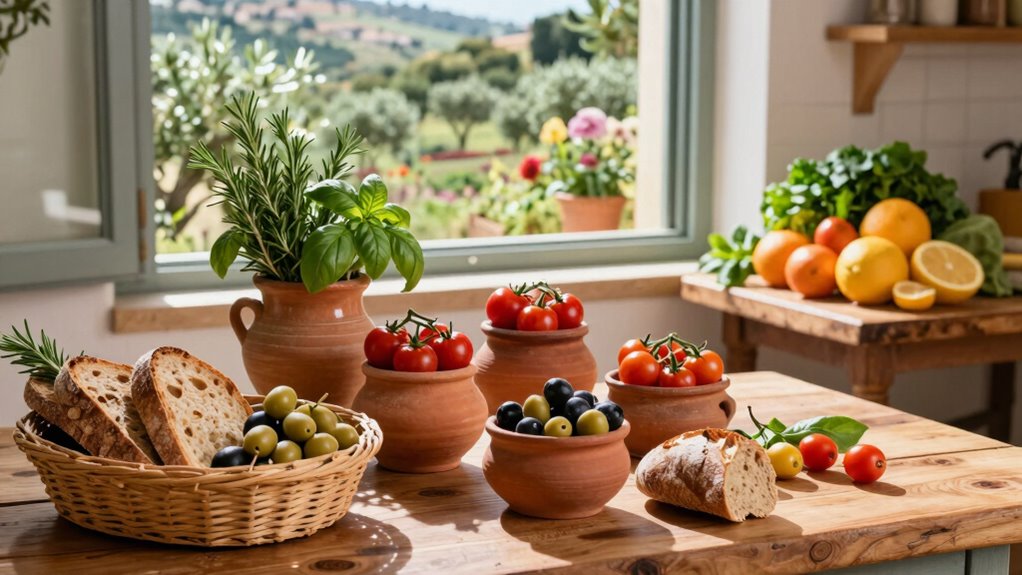

Mediterranean home cooking is sustainable because it focuses on local, seasonal ingredients, reducing energy needed for transportation and storage. It emphasizes plant-based foods such as vegetables, grains, nuts, and olive oil, which require less water and land. Traditional farming practices and minimal use of chemicals support soil health and biodiversity. By prioritizing preserved, local produce, this approach helps lower environmental impact and promotes resilience. Discover how these practices build a more sustainable, flavorful way of cooking.

Get home appliances delivered free with Prime
- Fast, free delivery on millions of items
- Prime Video, Amazon Music and more included
- Member-only deals all year
Key Takeaways
- Emphasizes seasonal, locally sourced produce, reducing energy use and transportation emissions.
- Relies on plant-based ingredients like vegetables, legumes, and grains, lowering resource consumption.
- Incorporates traditional, sustainable farming practices that promote biodiversity and soil health.
- Uses olive oil from agroforestry systems, supporting low-impact cultivation and biodiversity.
- Preserves seasonal foods through fermentation, drying, and canning, minimizing waste and out-of-season imports.
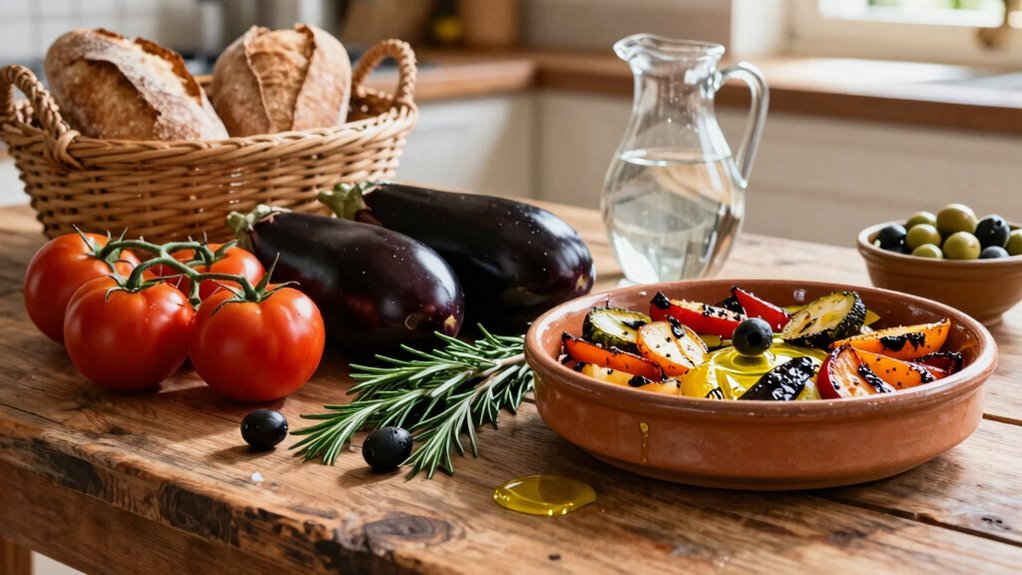
Mediterranean home cooking invites you to experience vibrant flavors and wholesome ingredients that have been cherished for generations. One of the key reasons it’s so sustainable is the emphasis on locally sourced produce. Farmers markets are central to this way of life, offering fresh fruits, vegetables, herbs, and grains directly from nearby farms. Visiting these markets, you’re encouraged to buy seasonal, in-season foods that require less energy to grow, harvest, and transport. By choosing ingredients from farmers markets, you support local agriculture, reduce your carbon footprint, and enjoy produce at its peak flavor and nutritional value. This practice minimizes reliance on long supply chains and mass-produced foods, making your meals more environmentally friendly.
Another pillar of sustainability in Mediterranean home cooking is the use of olive oil, especially in olive oil production. Olive trees are well-suited to the Mediterranean climate, thriving in dry, rocky soils with minimal water. This means they require less irrigation and chemical inputs compared to other crops, making olive oil a low-impact, renewable resource. When you cook with extra virgin olive oil, you’re not only adding flavor and health benefits but also supporting an agricultural system that emphasizes sustainable practices. Olive trees often grow in agroforestry systems, providing shade, preventing soil erosion, and maintaining biodiversity. This integrated approach ensures that olive oil production remains environmentally responsible and economically viable for generations. Additionally, the traditional cultivation methods promote biodiversity and soil health, further enhancing sustainability. Incorporating organic and traditional farming techniques also helps maintain the resilience of these ecosystems, ensuring their longevity. Furthermore, adopting sustainable farming practices can help mitigate the effects of climate change on agricultural systems. Moreover, these practices contribute to the preservation of traditional knowledge that sustains local communities and ecosystems.
The Mediterranean diet’s reliance on plant-based ingredients further bolsters its sustainability. Legumes, nuts, grains, and vegetables form the foundation of most meals, reducing dependence on resource-intensive animal agriculture. When you incorporate these ingredients into your cooking, you lower your ecological footprint because plant foods generally require less water, land, and energy to produce than meat. Plus, traditional methods of preserving and fermenting foods—like drying herbs or curing olives—extend shelf life without waste or artificial preservatives, emphasizing resourcefulness and minimal waste. These practices demonstrate a respect for natural resources and promote a circular food system.
Additionally, Mediterranean home cooking promotes seasonality and food preservation. By eating foods when they’re naturally abundant, you avoid the energy-intensive processes of out-of-season produce and imported goods. Preserving seasonal harvests through methods like pickling, drying, or canning allows you to enjoy local flavors year-round, reducing the need for imported or processed foods. This seasonal approach not only helps sustain local ecosystems but also encourages a mindful, less wasteful relationship with food. Embracing food preservation techniques can further reduce food waste and support sustainable living by making the most of seasonal abundance.
As an affiliate, we earn on qualifying purchases.
Frequently Asked Questions
How Does Mediterranean Agriculture Support Biodiversity?
You see, Mediterranean agriculture supports biodiversity through crop diversity, which keeps ecosystems balanced and resilient. By planting various crops, you reduce the risk of pests and disease, naturally managing pests without chemicals. This diverse planting also attracts different pollinators and wildlife, enhancing ecological health. Your approach creates a sustainable cycle, ensuring the land remains productive and vibrant, benefiting both the environment and future generations.
What Role Do Traditional Storage Methods Play in Sustainability?
Traditional storage methods are the backbone of storage sustainability in Mediterranean cooking, acting like ancient guardians preserving food for generations. They prevent waste by using techniques like drying, fermenting, and pickling, which require no energy or chemicals. These methods not only extend food life but also honor eco-friendly practices, reducing packaging and spoilage. By sticking to tradition, you embrace a sustainable way to nourish yourself while respecting the environment’s delicate balance.
Are Mediterranean Cooking Techniques Eco-Friendly?
Yes, Mediterranean cooking techniques are eco-friendly because they emphasize cooking authenticity and ingredient freshness. You use simple methods like roasting, grilling, and stewing, which often require less energy and preserve nutrients. By focusing on fresh, seasonal ingredients, you reduce waste and reliance on processed foods. This approach promotes sustainability naturally, helping you enjoy flavorful meals while minimizing your environmental impact.
How Does Seasonal Eating Influence Sustainability?
You might think seasonal eating isn’t a big deal, but it actually boosts sustainability. By choosing local ingredients and sticking to seasonal menus, you reduce the carbon footprint of transportation and support local farmers. This practice encourages fresher, more nutritious foods and helps maintain regional ecosystems. When you eat seasonally, you’re naturally aligning your diet with what’s grown nearby, making your meals more eco-friendly and supporting a sustainable food system.
What Is the Impact of Mediterranean Fishing Practices?
Mediterranean fishing practices positively impact sustainability by focusing on responsible aquaculture practices and adhering to strict fishing quotas. You benefit from this by enjoying fresh, local seafood that’s harvested sustainably. These practices help maintain fish populations and protect marine ecosystems. By supporting and respecting fishing quotas, you guarantee that fish stocks remain healthy for future generations, making Mediterranean cuisine both delicious and environmentally responsible.
Conclusion
So, next time you’re tossing a salad or simmering some stew, remember: Mediterranean home cooking isn’t just delicious, it’s basically Mother Nature’s way of saying, “Hey, I got your back—and your planet’s.” Who knew that eating greens, local fish, and olive oil could make you a hero? Maybe it’s time to swap that fast food frenzy for a little Mediterranean magic—your taste buds and the Earth will thank you, with a guilt-free grin.
Fall yard work Picks
leaf blowers
As an affiliate, we earn on qualifying purchases.