
Texture plays a bigger role in your dishes than you might realize. It influences how satisfying, fresh, or delicious a meal feels, often more than ingredients or flavors alone. Contrasting textures, like crispy and tender, create excitement and elevate the overall experience. Mastering how to balance these sensations can transform a simple dish into something memorable. Keep exploring, and you’ll discover how tuning into texture can truly elevate your cooking.

Get home appliances delivered free — and shop member deals
- Fast, free delivery on millions of items
- Access to Prime Big Deal Days deals on October 6–7
- Prime Video, Amazon Music and more included
Key Takeaways
- Texture influences overall food perception more than ingredients or flavors alone.
- Contrasting textures create excitement and elevate the sensory experience.
- Proper mouthfeel enhances dish satisfaction and helps convey freshness and quality.
- Techniques that balance textures can transform simple dishes into memorable meals.
- Mastering texture adds depth, creativity, and appeal to home-cooked dishes.
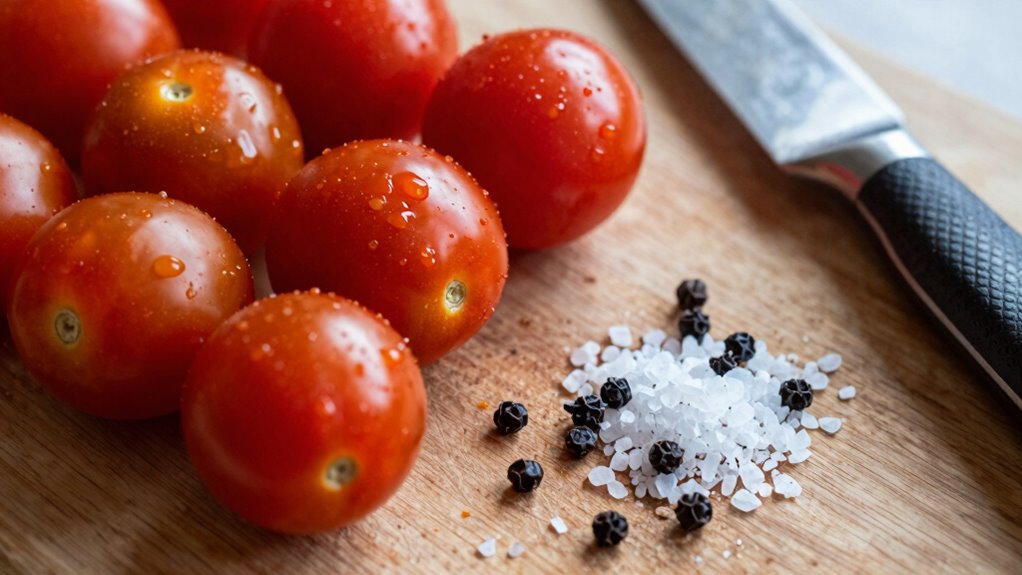
Have you ever noticed how a surface’s texture can change the way you feel about it? It’s the same with food. Texture plays a vital role in how you experience a dish, often more than the ingredients or flavors themselves. When you take a bite, it’s not just about taste; it’s about the full sensory experience, which includes the food mouthfeel. This sensation is what makes a dish memorable and satisfying or, conversely, dull and unappealing. Many home cooks overlook how important texture is in creating culinary sensations that delight or disappoint.
Think about the contrast between a crispy fried chicken and a tender, slow-cooked stew. The crunch of the crust and the tenderness of the meat provide different sensory cues that elevate the meal. These textures create a dynamic eating experience, engaging your senses beyond just taste buds. When you pay attention to mouthfeel, you start to understand how texture influences your perception of quality and freshness. A perfectly flaky pastry, for example, offers a light, airy bite that feels luxurious, while overcooked pasta can feel sticky and dull, detracting from the dish’s overall appeal. Texture affects your satisfaction and even your appetite, guiding you toward or away from certain foods.
As a home cook, you might focus heavily on the ingredients and flavors, but neglect the importance of how they come together in your mouth. Achieving the right food mouthfeel involves understanding how different cooking methods, ingredients, and even presentation influence texture. For example, adding a crunchy element like nuts or toasted breadcrumbs can add a satisfying contrast to creamy sauces. Conversely, overcooking vegetables can make them mushy, losing their bite and reducing the culinary sensations you want to create. Recognizing the significance of food texture can transform your cooking and elevate your dishes. Incorporating an awareness of sensory cues can help you better balance your dishes and cater to different preferences. Paying attention to culinary techniques that emphasize texture can also help you develop more nuanced and appealing dishes. Additionally, understanding how different textures interact can help you enhance overall dish harmony.
Mastering the art of balancing textures helps you craft dishes that are more engaging and enjoyable. It’s not just about making food look appealing but ensuring that each bite offers a satisfying or surprising sensation. When you consider how texture impacts the overall experience, you’ll start to see it as a fundamental ingredient in your cooking. Paying close attention to food mouthfeel and incorporating a variety of textures can elevate your dishes from good to extraordinary. Recognizing how texture variation influences the sensory profile of your dishes can lead to more creative and satisfying culinary results. Ultimately, mastering texture allows you to craft meals that excite the senses and keep people coming back for more.
As an affiliate, we earn on qualifying purchases.
Frequently Asked Questions
How Can I Improve the Texture of My Baked Goods?
To improve your baked goods’ texture, focus on ingredient substitution and storage methods. Use substitutes like yogurt or applesauce to add moisture, which enhances tenderness. Proper storage, such as airtight containers, keeps baked goods fresh and prevents staleness. Avoid overmixing ingredients, which can lead to tough textures. Experiment with these techniques, and you’ll notice a significant difference in the lightness, moistness, and overall texture of your baked creations.
What Kitchen Tools Help Achieve Better Textures?
Imagine baking a loaf where the crust is irresistibly crisp, and the interior remains soft—your perfect texture contrast. To achieve this, use a pizza stone or cast-iron skillet, which enhances mouthfeel and creates even heat for better crust development. A wire whisk or dough scraper helps incorporate air and develop gluten, improving overall texture. These tools elevate your baking, making every bite satisfyingly nuanced and enjoyable.
Does Ingredient Quality Affect Texture More Than Technique?
Yes, ingredient quality impacts texture more than technique. When you choose fresh, high-quality ingredients, you’ll notice a significant difference in texture, whether it’s the crispness of vegetables or the tenderness of meat. Proper ingredient selection guarantees the natural textures shine through, making your dishes more appealing. Freshness directly influences how ingredients behave during cooking, so prioritizing quality and freshness can elevate your cooking results beyond just mastering techniques.
How Does Cooking Time Influence Dish Texture?
Cooking time directly influences dish texture by balancing cooking temperature and ingredient freshness. If you cook too long at high temperatures, ingredients can become mushy or tough, losing their original texture. Shorter times preserve crispness and tenderness, especially with fresh ingredients. Pay attention to your cooking time to maintain the desired texture, adjusting based on ingredient freshness and temperature to achieve perfect dish consistency.
Can Texture Enhance the Flavor Perception of a Dish?
Yes, texture can considerably enhance flavor perception by influencing your sensory perception and mouthfeel. When a dish includes contrasting textures—like crispy crouts with creamy soup—you engage more senses, making the experience richer and more satisfying. This mouthfeel enhancement heightens your overall enjoyment, as your brain associates varied textures with more complex flavors. So, paying attention to texture isn’t just about presentation; it actively elevates how you perceive and savor each bite.
Conclusion
Remember, texture isn’t just about how food feels; it’s key to creating satisfying dishes that keep people coming back. Did you know that 92% of consumers say texture influences their food choices? So, next time you cook, focus on balancing crisp, tender, and creamy elements. By paying attention to texture, you elevate simple recipes into memorable meals. It’s a small detail that makes a big difference—don’t overlook it in your kitchen!
Fall Picks
fall essentials
As an affiliate, we earn on qualifying purchases.