TL;DR
British Gas has warned that around 34,000 households could be left without heating or hot water as colder weather leads people to switch on boilers that have been unused for months. The figure is an estimate reported by Ideal Home, not confirmation that those homes have already lost service; the timing and basis of the estimate are not specified in the supplied report.
British Gas has warned that around 34,000 households could be left without heating or hot water as colder weather prompts people to switch their boilers on after months of lighter use. The figure is an estimate reported by Ideal Home; it does not mean that 34,000 homes have already lost heating, and the report does not specify the precise period covered by the estimate.
The warning concerns a seasonal rise in boiler use: households that have not run their central heating since spring may discover faults when they switch it on. Ideal Home reported that British Gas expects a surge in demand for urgent repairs as temperatures fall. The article does not provide a date for the estimate or explain how the figure of 34,000 households was calculated.
Sheena Anker, identified by Ideal Home as an engineer at British Gas, said problems often become apparent on the first very cold day of the year. She said repair demand also tends to rise at that point, potentially leaving people waiting for help when they need heating most. The report does not say how many repair appointments or engineers will be available.
For households preparing to switch on their heating, the article advises checking the boiler and radiators before colder conditions arrive. It says homeowners can consult their boiler manual about pressure and bleeding radiators, but warns that signs of a leak require professional help. The suggested checks are not a guarantee against breakdowns, and any fault that cannot be safely resolved by following the manufacturer’s instructions should be handled by a qualified heating professional.
Cold Weather Could Stretch Repair Capacity
A boiler failure can leave a household without heating or hot water during a period of falling temperatures. The risk is especially relevant to people who rely on gas central heating and have not tested their system since the previous heating season. If many households report faults at once, the resulting rise in repair requests could mean delays, although the source gives no information on expected waiting times.
The warning is also a prompt to identify problems before a cold spell, when repair services may be busier. Households with older or unreliable boilers, young children, older residents or people with health conditions may have particular reasons to plan how they will stay warm if a repair is needed. The supplied report does not estimate how many homes would be affected in those groups or describe any official support measures.
For readers, the practical distinction is between basic checks and repair work. Looking for visible leaks and following a boiler manual may help identify an issue, but it cannot establish that a system is safe or working correctly. Gas appliances and repairs should be assessed by an appropriately qualified professional; residents should not attempt work beyond the manual’s user instructions.
As an affiliate, we earn on qualifying purchases.
Why Boilers Fail at Seasonal Switch-On
The warning comes as households prepare to use central heating after a period when many have kept it off. Ideal Home says the start of colder weather often coincides with the first use of boilers in several months. Equipment that has been idle may show a fault only when heating demand returns, bringing repairs and service calls at the same time.
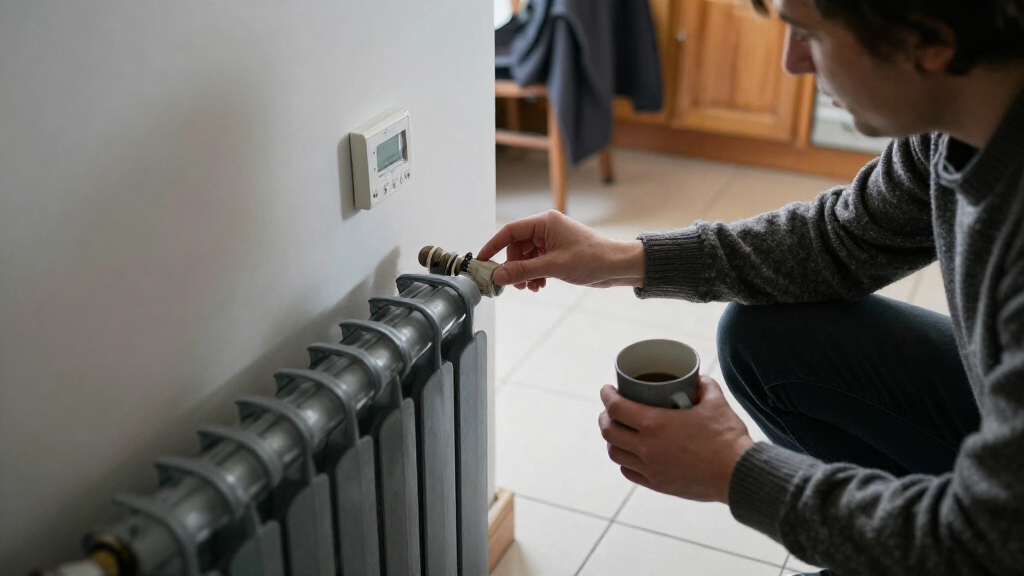
The article offers several checks for homeowners. It describes a boiler pressure reading of 1 to 2 bar as a typical target range, while stressing that people should consult their own boiler manual. If there are signs of leakage around radiators, pipes or valves, it advises seeking professional help rather than attempting to repressurise the system. It also says radiators that are warm at the bottom but cold at the top may have trapped air; the heating should be switched off before bleeding them, and pressure checked afterwards.
These suggestions are household maintenance guidance from the Ideal Home report, not a separate inspection of boilers or a government advisory. The source also recommends limiting heat loss with closed windows and doors and draught-proofing, and having a suitable electric heater available. Portable heaters must be used according to their safety instructions and kept clear of fabrics and other combustible materials.
Estimate Details Still Unspecified
The source material does not identify the dates covered by the 34,000-household estimate, the method used to produce it, or whether it applies nationally or to a particular customer group. It also does not report an actual count of breakdowns, confirm that 34,000 homes are currently without heating, or give a temperature forecast for a defined period.
British Gas’s reported warning is about possible boiler failures as heating use increases. The article does not provide further direct comment from the company on the estimate, its assumptions, the expected scale of repair demand or the resources available to respond. It is therefore unclear how many households will experience a fault, how long repairs might take, or whether the estimate will be revised as weather conditions develop.
Households Prepare Before Temperatures Fall
Households planning to use their heating can test it ahead of colder weather and check the system for obvious problems, following the boiler manufacturer’s instructions. Anyone who sees a leak, smells gas, or cannot resolve a fault through normal user controls should contact a qualified professional rather than attempt repair work. Gas safety concerns should be dealt with promptly through the appropriate emergency or professional service.
The source does not give a date for a British Gas follow-up or a formal update to the estimate. The next useful information would be clarification of the forecast period and calculation behind the 34,000 figure, alongside any actual breakdown data and guidance on repair capacity as temperatures change. Until then, the number should be treated as a reported estimate of possible disruption, not a confirmed tally of households already affected.
Key Questions
Have 34,000 homes already lost heating or hot water?
No. The report describes around 34,000 households as potentially at risk of boiler breakdowns. It does not say that this number of homes has already lost service.
When could the boiler problems happen?
The warning relates to the coming colder weather, when people switch on central heating after months of reduced use. The supplied report does not specify exact dates or the length of the forecast period.
What should I check before switching on my heating?
Follow the instructions for your boiler and check for visible leaks or unusual faults. Ideal Home also suggests checking boiler pressure and radiators, but says to seek professional help if there are signs of leakage or a problem beyond routine user checks.
Does the 34,000 figure have a stated baseline or calculation?
No calculation method or comparison baseline is given in the supplied report. It should be read as an estimate attributed to British Gas and reported by Ideal Home, rather than a confirmed number of failures.
What can I do if my boiler stops working?
Contact a qualified heating professional, particularly if you see a leak or suspect a safety issue. While waiting, reduce draughts and use any portable heater only according to its safety instructions, keeping it away from combustible materials.
Source: rss