
TL;DR

Get home appliances delivered free — and shop member deals
- Fast, free delivery on millions of items
- Access to Prime Big Deal Days deals on October 6–7
- Prime Video, Amazon Music and more included
A Family Handyman report featuring chimney professional Tracy Zarriello outlines ways to use fireplaces more safely, including burning dry wood, keeping the damper open during a fire and arranging a professional chimney inspection at least once a year. It warns that creosote buildup can fuel chimney fires and that cleaning logs do not replace inspection or proper cleaning.
A Family Handyman report featuring chimney professional Tracy Zarriello urges homeowners to match fireplace care to the type of unit they use and have chimneys professionally inspected at least once a year. The guidance focuses on reducing creosote buildup, improving airflow and spotting damage that can raise fire or carbon monoxide risks.
For wood-burning fireplaces, Zarriello recommends burning seasoned hardwood, such as ash, maple or oak. She says wood should generally dry for six to 12 months or longer and have moisture content below 20 percent. Wet or green wood produces more smoke and can contribute to creosote deposits inside the chimney.
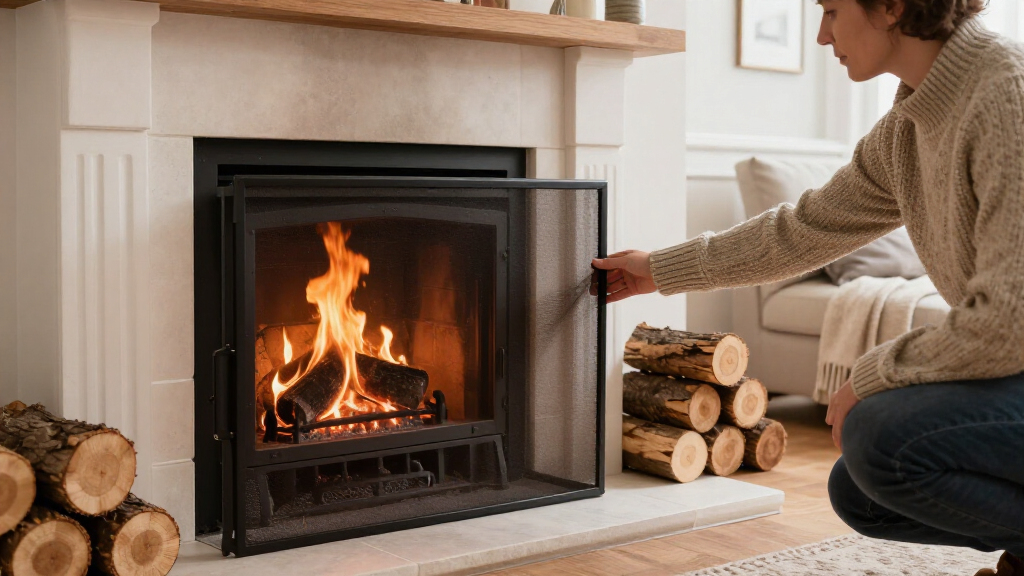
Homeowners should make sure the damper is fully open before lighting a fire and leave it open while the fire burns. A fireplace screen can help contain sparks. Ash should be removed only after it has completely cooled. During the burning season, the report recommends checking the firebox monthly for cracked bricks or deteriorating mortar, testing the damper and looking from the ground to see whether the chimney cap appears damaged or missing.
Zarriello says a professional should inspect the chimney at least once a year. A homeowner’s visual check cannot reveal many problems inside the flue, she says. A qualified professional can assess the liner, creosote, water damage, masonry and ventilation. The report also cautions that chimney-cleaning logs are not a substitute for an inspection and cleaning with proper equipment.
How Fireplace Choices Affect Safety
The advice matters because problems inside a chimney can remain hidden until they become dangerous. Zarriello describes creosote as a flammable residue formed when smoke cools and condenses. It can develop from flaky soot into harder, glazed deposits that are more difficult to remove and can ignite.
A chimney fire may be loud and obvious, but Zarriello says some burn slowly inside the flue and go unnoticed. Even an unnoticed fire can crack a flue liner or damage the structure, potentially allowing carbon monoxide to enter the home. Regular professional checks address parts of the system that are not visible from the firebox.
Heating performance also depends on the fireplace type. The report notes that an open wood-burning fireplace can pull heated indoor air out of the house. Zarriello says a gas insert or an EPA-certified wood stove is usually more effective for homeowners whose main aim is heating. That distinction can help residents set realistic expectations for warmth while maintaining the equipment they already have.
As an affiliate, we earn on qualifying purchases.
Wood, Gas and Electric Fireplaces
The report distinguishes among three common fireplace types. Wood-burning units create real flames but require firewood, ash removal and regular chimney care. Gas fireplaces avoid ash and generally need less maintenance, though their burners and venting systems still need inspection. Electric fireplaces produce no combustion byproducts and often function as space heaters, as well as decorative features.
For wood-burning systems, creosote forms as smoke cools inside the chimney. The report compares the residue to grease accumulating in a kitchen exhaust hood. Burning dry wood and maintaining good airflow can help limit buildup, but those habits do not remove the need for a professional inspection. A chimney cap also helps keep out rain and animals, and can contain sparks, according to the report.
“Many homeowners are surprised to learn that a traditional open wood-burning fireplace can actually pull heated air out of the house.”
— Tracy Zarriello, owner of Queen Sweep Chimney, Plumbing, Air Conditioning & Heating Services, as quoted by Family Handyman
What a Visual Check Cannot Reveal
The report does not give a current count of chimney fires, injuries or house fires, and it does not quantify how much each recommended practice changes risk. Its guidance is attributed to Zarriello and is not presented as a new government advisory or a formal safety standard.
A ground-level look at a chimney or a check of the firebox cannot establish the condition of the entire flue, according to Zarriello. Homeowners also may not know whether a past fire has caused internal damage. The report does not set a specific inspection date for individual households, so timing should be arranged with a qualified chimney professional based on the fireplace and its use.
Before the Next Fire
Before using a wood-burning fireplace this season, homeowners can review the firebox and damper, confirm the chimney cap appears intact, use dry seasoned wood and keep a screen in place. They should let ashes cool fully before removal and keep the damper open while a fire burns.
The next step for the chimney itself is a professional inspection at least annually, with cleaning if the professional finds deposits or other problems. Cleaning logs should not be treated as proof that a chimney is clear. The report does not announce a separate inspection campaign or deadline; homeowners who have not had their system checked should contact a qualified professional to arrange an assessment.
Key Questions
How often should a chimney be professionally inspected?
Zarriello recommends a professional inspection at least once a year. A visual check by a homeowner cannot show the full condition of the flue and other internal components.
Do chimney-cleaning logs replace a chimney sweep?
No. The report says cleaning logs are not a substitute for inspection and cleaning with proper equipment. Zarriello cautions that they do not eliminate hardened creosote attached to chimney walls.
What kind of wood should be burned?
The report recommends seasoned hardwood, including ash, maple and oak. Zarriello says wood should generally dry for six to 12 months or longer and have moisture content below 20 percent.
Can an open wood fireplace heat a home efficiently?
Not necessarily. Zarriello says a traditional open wood-burning fireplace can draw heated air out of the home. She says a gas insert or an EPA-certified wood stove is usually more effective when heating is the main goal.
Source: rss
NFL season / tailgating Picks
team gear
As an affiliate, we earn on qualifying purchases.