
TL;DR

Get home appliances delivered free with Prime
- Fast, free delivery on millions of items
- Prime Video, Amazon Music and more included
- Member-only deals all year
Apple is holding a dedicated smart-home event on October 13, with reports pointing to a new home display, refreshed HomePod Mini and Apple TV, and software built around a more capable Siri. Those products are reported, not confirmed by Apple; the larger opportunity is making devices work together safely and reliably, an area where the company still has to prove its AI can handle the complexity of a shared home.
Apple is holding its first dedicated smart-home event in New York on Tuesday, October 13, as reports point to a new home display, refreshed HomePod Mini and Apple TV, and a redesigned platform built around Siri AI. Apple has not disclosed what it will announce. The potential significance goes beyond new devices: the company’s ability to make a home assistant useful, interoperable and safe could determine whether it can catch up with Amazon and Google.
The event, called the “Welcome Home experience,” is a notable change in emphasis for Apple, which has not held a dedicated smart-home event before. Bloomberg has reported that Apple plans to release a smart display alongside updated versions of the HomePod Mini and Apple TV. MacRumors has reported that the display may be called HomeView. Those product names and details have not been confirmed by Apple.
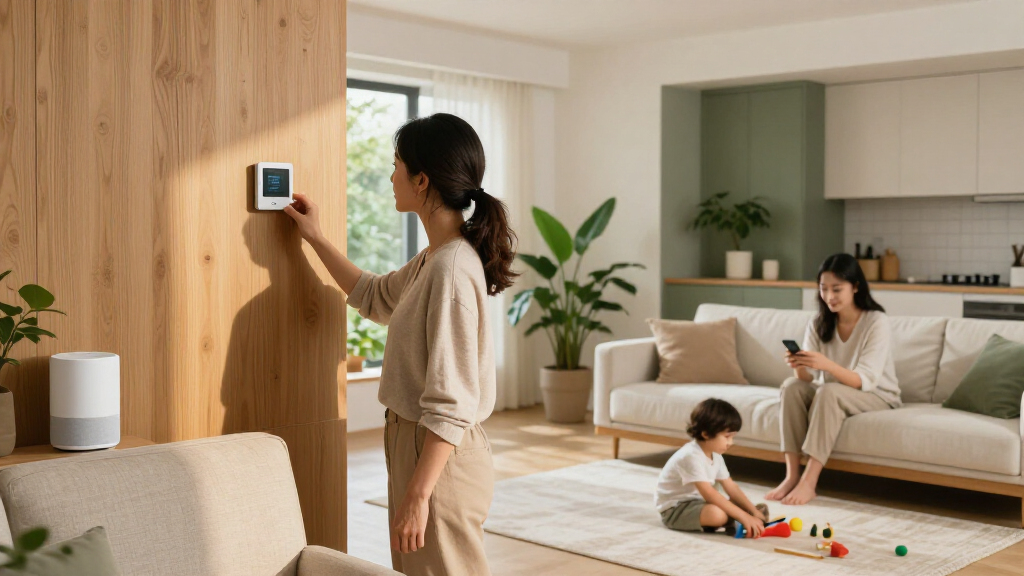
Bloomberg’s reported description is of a roughly 6-inch square display, available on a speaker base or in a wall-mounted form. It could use facial recognition to show a person’s messages and calendar, and offer a touchscreen interface for controlling devices such as locks and thermostats, alongside FaceTime and intercom calls. The report cited a possible $350 price. The product would be Apple’s first dedicated smart-home hardware since the company launched HomeKit in 2014, although existing Apple devices can already serve some home-control functions.
The software could matter more than the display. Bloomberg has reported that the device will run a new homeOS built around Siri AI. Apple’s HomePods and Apple TV currently use an older, more basic version of Siri for voice requests, according to The Verge’s report. Apple has not confirmed how the rumored homeOS would work, what devices would support it or whether a more capable assistant would be available at launch.
Software Will Decide Apple’s Prospects
A new screen may give Apple a more visible place in the home, but the wider opportunity is to make connected devices act as a coherent system. A useful assistant could, for example, alert residents when an oven is on and no one is home, suggest turning off air conditioning when a window is open, or direct a message to the room someone is using. These are potential use cases, not confirmed features of Apple’s reported product.
Such coordination would matter to customers who already own devices from different manufacturers and find that setup and control remain fragmented. Open standards such as Matter and Thread are intended to improve compatibility, but they do not by themselves supply an easy interface or decide how devices should respond to requests. That work falls to the platforms and assistants that connect them.
Apple’s opening is also a test of whether its emphasis on a more curated ecosystem can become an advantage. Its tighter control over hardware and software may help it deliver a consistent experience, but its assistant must work reliably in homes with multiple people, different routines and devices with different capabilities. A wrong action involving a lock, heating system or security device can have consequences beyond an unsatisfactory voice response. The company needs to show that its AI can handle those risks, not just answer more types of questions.
Products Worth Considering

Philips Hue Festavia 130-Foot Indoor/Outdoor Smart String Lights, 500 Mini Color-Changing LEDs

Levoit Core 600S-P Smart Air Purifier for Large Rooms

Hisense 43-Inch E6 Cinema Series Hi-QLED 4K UHD Smart Fire TV (43E6QF)
As an affiliate, we earn on qualifying purchases.
Apple’s Home Platform So Far
Apple announced the HomePod Mini on October 13, 2020, and the report notes that the latest Apple TV 4K is four years old. Both can contribute to a smart-home setup, but neither was designed primarily as a dedicated home-control display. The rumored event therefore follows a long interval without a new central Apple Home device.
Apple has also worked on the platform underneath its products. Four years ago, after helping found Matter, the company rebuilt HomeKit’s architecture and revamped the Home app. According to The Verge, that update allowed Apple Home to support a broader range of manufacturers than the earlier process, which required products to pass Apple’s HomeKit approval system. Matter and Thread improve the basis for connection, but users still depend on Apple’s software to configure devices and coordinate actions.
Apple is arriving after competitors began adding generative AI to their home assistants. The Verge reports that Amazon announced a version of Alexa Plus in 2023 and launched it in 2025, while Google’s Gemini for Home remains in early access. The report describes limitations in both services, including a restricted home role for Google’s more capable Gemini Live. Those comparisons are assessments in the source report; they do not establish that Apple’s planned assistant will perform better.
““A smart home isn’t just about the devices you put in it. It’s about making them work together.””
— The Verge report
Key Product Details Remain Unconfirmed
Apple has not announced the products or software described in reports. The display’s final name, design, price, release date, supported devices and actual capabilities remain unconfirmed. It is also unclear whether Siri AI will be ready for a home launch, which requests it will handle, and how the system will manage different household members’ preferences and permissions.
The reliability and safety of more autonomous actions are open questions. A home is a shared environment, and devices such as locks, HVAC equipment and security systems can affect people who did not make a particular request. The source report says other companies have encountered delays and limits while developing smarter home assistants. Apple’s event may provide evidence of its approach, but a product announcement alone would not establish how well the system performs in everyday use.
Apple’s October Event Is the Test
The next milestone is Apple’s October 13 event in New York. The company’s presentation should clarify whether the reported display and refreshed devices are real, when they might go on sale, and how the company plans to bring newer Siri capabilities into the home. Until Apple provides those details, the reported product specifications and pricing should be treated as provisional.
After any announcement, the practical test will be how the assistant handles routine requests across a mixed set of devices, distinguishes among household members, and responds when a request could affect safety or privacy. Apple’s smart-home ambitions will depend not only on what it shows at the event, but on whether the resulting system works consistently across real homes.
Key Questions
What is Apple expected to announce at the smart-home event?
Reports point to a smart display, refreshed HomePod Mini and Apple TV, and a new home platform built around Siri AI. Apple has not confirmed those products or their features.
What is the reported Apple smart display called?
MacRumors has reported that it may be called HomeView. Apple has not confirmed that name.
Why could Siri AI matter more than new hardware?
A capable assistant could help coordinate devices, routines and requests across the home. The report argues that working software and reliable automation could be more important than adding another screen, but Apple has yet to demonstrate the rumored system.
How much might the reported display cost?
Bloomberg’s reported price is $350. That figure has not been confirmed by Apple.
When will Apple reveal more?
Apple’s dedicated “Welcome Home experience” is scheduled for Tuesday, October 13, in New York. The company has not shared a detailed announcement agenda.
Source: rss