TL;DR

Get home appliances delivered free with Prime
- Fast, free delivery on millions of items
- Prime Video, Amazon Music and more included
- Member-only deals all year
An Ideal Home report describes a personal approach to autumn kitchen lighting, borrowing ideas from living rooms to create a softer atmosphere. Suggestions include placing fabric-shade lamps away from cooking areas, using sculptural pendants over an island and highlighting shelves or cabinets; no completed renovation or measured results are reported.
Ideal Home has published a first-person guide to adapting living-room lighting ideas for the kitchen, recommending movable lamps, decorative pendants and lighting for shelves or cabinets. The report presents these as ways to create a warmer feel as autumn approaches, rather than documenting a completed renovation or a measured change in lighting performance.
The writer says they are turning attention to home cooking as the days shorten and describes using four lamps in an open-plan kitchen. That account is personal experience, not a lighting survey. The central idea is that kitchens connected to living areas can borrow some of the softer, layered lighting commonly used in lounges.
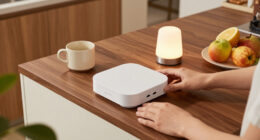
One suggestion is to use a fabric-shade lamp in a corner or at the end of a worktop, away from the main cooking zone. The writer notes that cooking fumes and spills can mark fabric, but argues that careful placement can make a shade workable. A rechargeable table lamp could also be moved between kitchen and dining areas, according to the report.
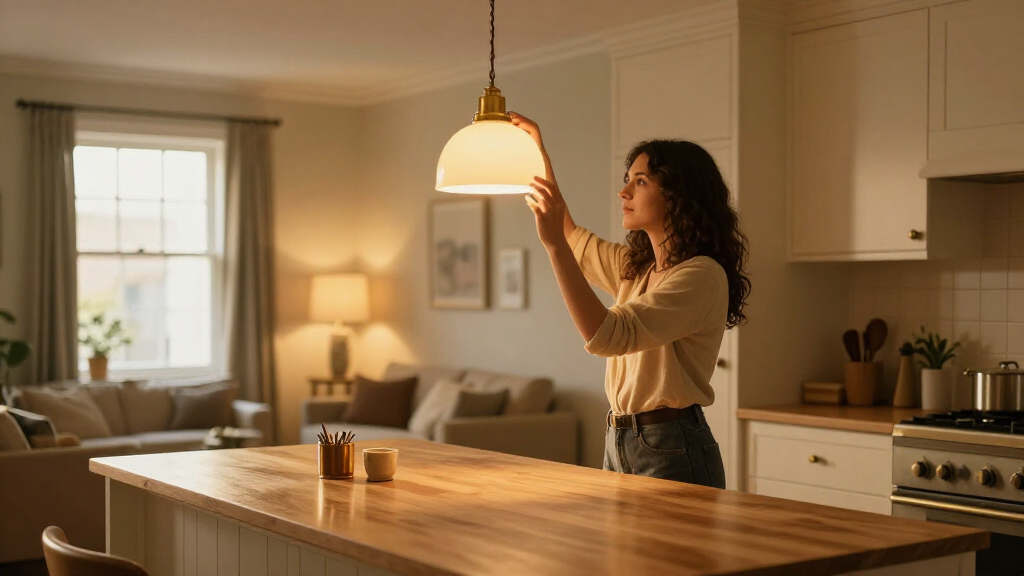
The guide also recommends sculptural pendant lights above a kitchen island, where they can add visual interest and define a more intimate lighting zone. Al Bruce, founder of kitchen company Olive & Barr, says clear-glass or white pendants offer a simpler look, while larger industrial-style designs create a bolder contrast with cabinetry. For display areas, Kutchenhaus brand director Ntola Obazee recommends subtle lighting on open shelves or inside glazed cabinets to draw attention to glassware and ceramics.
Bringing Lounge Lighting Into Kitchens
The report reflects a practical design question for open-plan homes: how to make a kitchen feel comfortable beyond the times it is used for food preparation. Layering lamps, task lighting and decorative fixtures can give separate areas distinct moods without relying on a single bright ceiling light. The article offers ideas rather than evidence that any one approach will work in every room.
Its advice also addresses everyday constraints. Fabric shades may be vulnerable to cooking residue, and pendant placement needs to suit the kitchen layout. The proposed solution is to keep delicate or decorative lighting away from direct cooking activity and use movable or low-profile options where flexibility matters. Readers considering fixed electrical work should consult a qualified professional.
rechargeable table lamp for kitchen
As an affiliate, we earn on qualifying purchases.
As an affiliate, we earn on qualifying purchases.
The Autumn Lighting Approach
The source frames the ideas around the approach of the end of British Summer Time and a shift toward spending more time indoors. The writer describes the kitchen and living area as close together, making a consistent lighting style useful to the overall feel of the home.
The recommendations range from easily changed accessories to more permanent fixtures. A shade swap or rechargeable lamp can be tried without redesigning the room, while island pendants and built-in cabinet lighting involve decisions about placement, wiring or installation. The article also names inexpensive and rechargeable products, but its core report is a set of design suggestions, not an independent product test.
“Pendant lighting works too above the kitchen island, not only because it gives the opportunity to add a sense of personality to the space, but also because it creates a distinct lighting zone that can feel more intimate.”
— Al Bruce, founder of Olive & Barr, as quoted by Ideal Home
Limits of the Lighting Advice
The source does not give a specific publication date, identify a particular renovation project or report before-and-after results. It is also unclear how the suggested fixtures perform in kitchens with different ventilation, cooking layouts or ceiling heights. The four-lamp detail describes the writer’s home only, and no comparison baseline is provided.
The report does not provide technical installation guidance, electrical specifications or independent testing of the products it mentions. Readers should check manufacturer instructions and suitability for their space; fixed wiring or other electrical work should be handled by a licensed professional in line with local requirements.
Trying the Ideas at Home
The article does not announce a follow-up project or a scheduled next update. For readers interested in the approach, the suggestions point to small, reversible changes first: try a rechargeable lamp, move a fabric shade away from the cooking zone, or add suitable lighting to a display shelf. Any fixed pendants or wired cabinet lights would require planning around the room and safe installation.
Whether these changes suit a particular kitchen will depend on its layout, existing light sources and how the space is used. The source offers no timeline for further reporting or evidence on the long-term upkeep of the fixtures.
Key Questions
What is the main kitchen lighting idea in the report?
Borrow from living-room lighting by combining softer lamps, decorative pendants and accent lighting instead of relying only on a central ceiling fixture.
Can fabric lampshades be used in a kitchen?
The report says they can be considered if kept away from the main cooking area, where fumes and spills are more likely to affect fabric. Suitability depends on the kitchen and the shade’s care instructions.
Where does the report suggest using pendant lights?
It highlights the area above a kitchen island, where pendants can add a design feature and visually distinguish that zone. Placement should suit the room and avoid interfering with use of the space.
How can kitchen shelves be lit?
The report suggests subtle lighting for open shelves or glazed cabinets to highlight items such as glassware and ceramics. It does not provide technical installation instructions.
Does the article report results from a kitchen renovation?
No. It is a first-person design report with recommendations and an anecdote about the writer’s lamps; it does not describe a completed upgrade or measured results.
Source: rss
Fall Picks
fall essentials
As an affiliate, we earn on qualifying purchases.