
TL;DR

Get home appliances delivered free — and shop member deals
- Fast, free delivery on millions of items
- Access to Prime Big Deal Days deals on October 6–7
- Prime Video, Amazon Music and more included
A comparison by The Ambient finds that Ring and Arlo now both offer cameras up to 4K, narrowing Ring’s former resolution disadvantage. Ring has a broader device range and lower listed subscription prices; Arlo stands out for object detection, video quality and compatibility with more smart-home platforms.
The Ambient has compared Ring and Arlo security camera systems, finding that both now offer models recording at up to 4K, while their main differences lie in camera choice, smart alerts, integrations and subscription costs. The comparison can help buyers choose a system, but the best fit depends on whether they prioritize a broader range of devices and lower listed plan prices or advanced detection and wider smart-home compatibility.
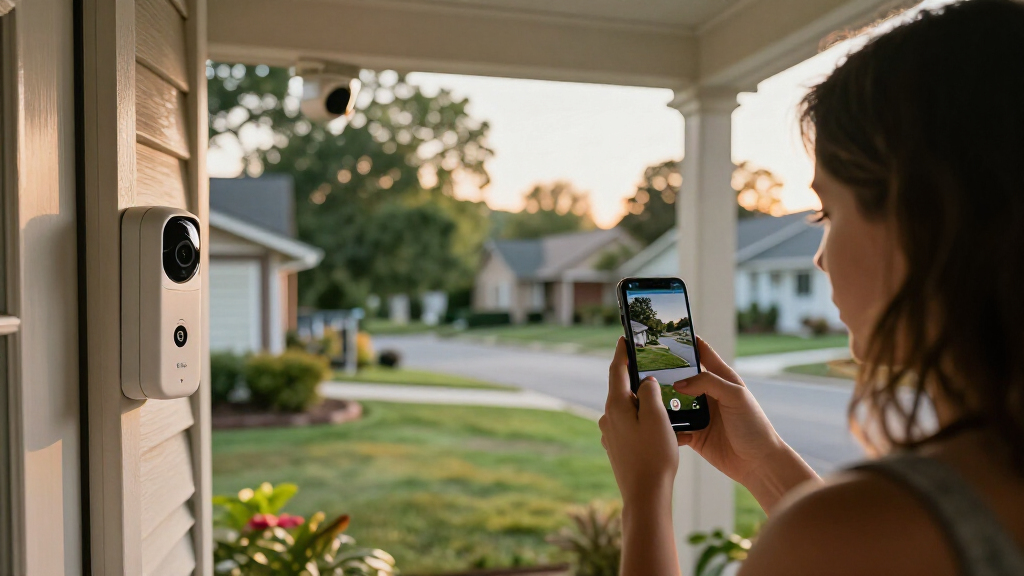
Ring’s lineup includes battery-powered and wired options, with prices in the comparison ranging from $79.99 for the Outdoor Cam to $199.99 for the Outdoor Cam Pro. The report also lists a $99.99 Outdoor Cam Plus with 2K recording and a $169.99 Spotlight Cam with 2K video and motion-activated lighting. Ring’s Spotlight Cam Pro and Floodlight Cam Pro offer 4K recording. The Ambient says Ring also has a wider range of doorbells, with battery and wired models, while Arlo offers one doorbell.
Arlo’s lineup is more focused on higher-resolution cameras, according to the report. Its Pro 6 records in 2K HDR and has a stated 160-degree diagonal field of view; the Ultra range reaches 4K. The Ambient says Arlo’s high-end cameras have generally produced sharper images in its tests, although the gap with newer Ring cameras has narrowed. The report also cautions that 2K and 4K recording can use more bandwidth and may affect streaming performance or notification delays.
Listed subscription prices favor Ring: its lowest paid plan is $4.99 per month, compared with $7.99 for Arlo, while plans for unlimited cameras are listed at $9.99 and $17.99 per month, respectively. The comparison says both companies offer cloud subscriptions, professional monitoring and whole-home alarm products, and neither requires a contract. Features and availability can vary by plan, camera model and location.
The Trade-Off Between Cost and Control
The choice affects more than image resolution. A camera system’s recurring fees, detection options and connections to other devices can shape how useful it is after installation. Buyers adding multiple cameras may find the listed gap between Ring’s and Arlo’s plans relevant, though the actual cost depends on the plan and equipment they need.
Arlo’s broader detection and platform support may suit households that want alerts for specific events or use Apple Home, Google Home or SmartThings. Ring’s wider choice of camera and doorbell formats can help buyers match devices to different locations and power needs. Neither advantage makes one system a universal winner; the comparison points to different strengths rather than a single best option.
As an affiliate, we earn on qualifying purchases.
How the Systems Differ Today
One reason the comparison matters is that Ring’s camera range has changed. The Ambient notes that an earlier argument against Ring was its concentration on 1080p cameras while competitors offered higher resolution. With current Ring models reaching 2K and 4K, that broad distinction no longer applies across the lineup.
Both systems offer smart-home and security products beyond cameras, including alarms and professional monitoring, according to the report. Ring works with Alexa. The source lists Arlo compatibility with Alexa, Apple Home, Google Home, IFTTT and Samsung SmartThings, while warning that support varies by camera. The comparison also lists cloud storage of up to 180 days for Ring and up to 60 days for Arlo; actual access depends on the applicable service and plan.
“Ring has caught up”
— The Ambient
Plan Details and Model Compatibility
The source comparison does not specify its publication date, and prices or features may change. It says subscription options can vary by location, plan and model; readers should check current terms and device compatibility before buying. In particular, Arlo smart-home support is not uniform across its lineup, and some Ring detection and search features require a higher plan.
The report does not establish that every camera will perform the same way in every home. Network bandwidth, mobile connection and location can affect live viewing and alert timing. It also does not provide a standardized, model-by-model test of every feature or a total-cost calculation combining hardware, subscriptions and installation.
Check Current Prices Before Buying
There is no product launch or policy change announced in the source; this is a buyer’s comparison. Before choosing, compare the current price of the exact cameras and doorbell models, the subscription tier required for desired features, and the smart-home platforms already in use. Buyers considering 2K or 4K should also check whether their home internet connection can support the added video bandwidth.
Because product specifications, subscriptions and compatibility can change, consult Ring’s and Arlo’s current product and service information before placing an order. The Ambient’s comparison offers a framework for weighing the systems, but the final choice depends on the buyer’s device needs, budget and preferred integrations.
Key Questions
Do Ring and Arlo both offer 4K cameras?
Yes. The Ambient comparison lists 4K models from both companies, alongside cameras recording at 2K. Availability and features vary by model.
Which system has the lower listed subscription prices?
The report lists Ring’s lowest paid plan at $4.99 per month and its unlimited-camera plan at $9.99 per month. Arlo’s corresponding listed prices are $7.99 and $17.99. Check current prices and plan terms before buying.
Which system offers more smart-home integrations?
The comparison lists Arlo support for Alexa, Apple Home, Google Home, IFTTT and Samsung SmartThings, with compatibility varying by camera. It lists Ring support for Alexa.
Does Arlo have better motion detection?
The Ambient gives Arlo a slight advantage in object detection, citing options such as person, animal, vehicle and package detection, plus other features that depend on the plan and model. Ring offers person, package and vehicle alerts, with some additional features on paid plans.
Which system should I choose?
Based on this comparison, Ring may suit buyers who want more camera and doorbell choices or lower listed subscription prices. Arlo may be a better fit for those prioritizing detection options, image quality or broader smart-home compatibility. Compare the exact models and current plans for your needs.
Source: rss
Halloween Picks
halloween
As an affiliate, we earn on qualifying purchases.