TL;DR

Get home appliances delivered free — and shop member deals
- Fast, free delivery on millions of items
- Access to Prime Big Deal Days deals on October 6–7
- Prime Video, Amazon Music and more included
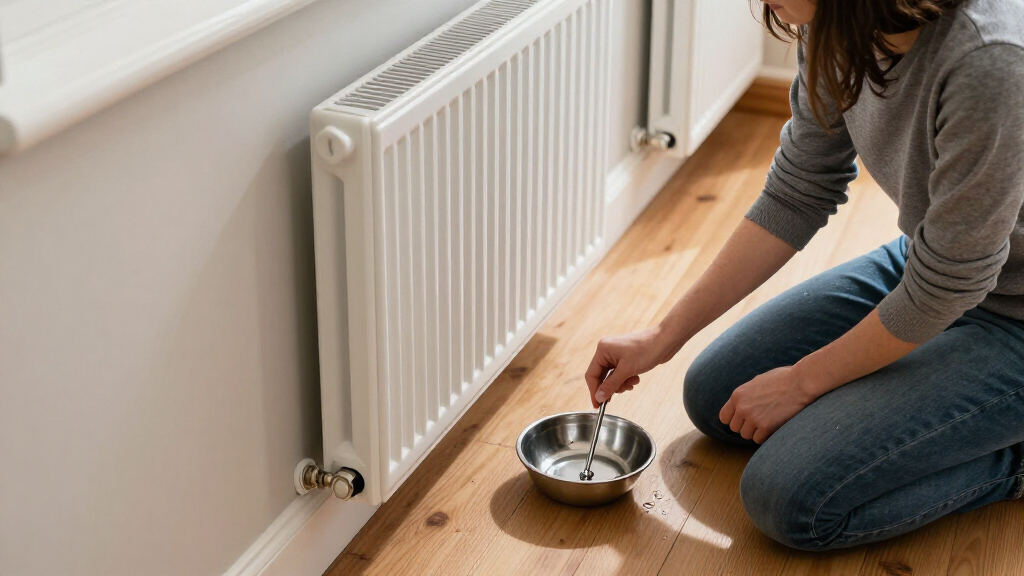
Heating experts cited by Ideal Home recommend bleeding radiators on the ground floor first, starting with the one furthest from the boiler, then working upstairs in the same order. Bleeding in a different order is not expected to damage the system, but trapped air may move and mean some radiators need checking again.
Bleed downstairs radiators first, beginning with the one furthest from the boiler, then work upstairs in the same order, heating experts told Ideal Home. The recommended sequence is intended to make the job more efficient; the report says using the wrong order is unlikely to damage the heating system, though it may leave homeowners needing to check radiators again.
Alex Woods of Victorian Plumbing advised starting with the ground-floor radiator furthest from the boiler, bleeding the remaining downstairs units, and then repeating that approach upstairs. Woods said the sequence accounts for air moving upward through a heating system, helping prevent air from collecting in radiators that have already been bled.
Matthew Powell, founder of WarmZilla, said bleeding upstairs first is not a reason to panic. He told Ideal Home that if air is released from downstairs radiators afterward, it can move through the system and collect upstairs again. That may mean returning to those radiators, making the process less efficient rather than harmful.
The advice also distinguishes a single problem radiator from signs of a wider issue. Powell said a radiator that is cold at the top but warmer below may have trapped air and can be bled on its own if other radiators work normally. If several radiators gurgle, heat unevenly or are cold at the top, he advised checking each one. Afterward, homeowners should check boiler pressure before switching the heating back on, since bleeding can lower pressure in a sealed system.
The Order Can Prevent Repeat Bleeding
For householders preparing their heating for colder weather, the advice offers a straightforward way to reduce the chance of repeating a routine maintenance task. Starting downstairs and working upward gives homeowners a consistent method, while beginning with the radiator furthest from the boiler adds a clear sequence within each floor.
The distinction between trapped air and other heating faults also matters. Bleeding may help when a radiator is cold at the top, but it is not a fix for every cold spot or uneven-heating problem. John Klee, a heating technology expert at BestHeating, said cold areas at the bottom may point to sludge buildup or a need to flush the system. He advised people who are unsure about that work to contact a qualified professional.
As an affiliate, we earn on qualifying purchases.
How Experts Set the Bleeding Sequence
The report frames radiator bleeding as a seasonal check to carry out before colder weather arrives. Its central recommendation is a methodical route through the home: start at the ground floor, begin with the radiator furthest from the boiler, finish downstairs, and then move upstairs. The same furthest-from-boiler starting point is recommended on the upper floor.
The article’s guidance is based on comments from plumbing and heating professionals, not a reported test comparing different bleeding orders. It says the recommended order can help avoid extra work, but also stresses that bleeding radiators in another order should not damage the system. The report does not provide a specific number of turns for a bleed valve or universal instructions for every radiator design.
““It’s recommended to start bleeding your downstairs radiators first, beginning with the radiator furthest from your boiler.””
— Alex Woods, Victorian Plumbing
When Bleeding Will Not Fix the Problem
The advice does not establish that every cold or noisy radiator contains trapped air. The report says cold at the top can be a sign of air, while cold at the bottom may point to sludge, a valve problem or another issue. It does not diagnose individual heating systems, and a radiator that remains cold after bleeding may need further investigation.
The source does not give a publication date, a measured comparison of bleeding orders, or instructions tailored to every boiler and radiator setup. It also does not specify how much boiler pressure should be restored; homeowners should consult their boiler’s instructions or seek professional advice if pressure is low or they are unsure what to do.
Check Heat and Pressure Afterward
After bleeding the relevant radiators, homeowners should check boiler pressure before turning the heating back on, then see whether radiators warm evenly. If a radiator remains cold, develops cold spots at the bottom, or the system continues to heat unevenly, the reported advice points to a possible issue beyond trapped air. Contact a qualified heating professional if the next steps involve flushing the system or if the homeowner is not confident in diagnosing the problem.
Key Questions
Should you bleed downstairs or upstairs radiators first?
The experts quoted by Ideal Home recommend bleeding downstairs radiators first, then moving upstairs. On each floor, start with the radiator furthest from the boiler.
Will bleeding radiators in the wrong order cause damage?
The report says using a different order is unlikely to damage the heating system. It may be less efficient, because air released later could move through the system and collect in radiators that were already bled.
Do you need to bleed every radiator?
Not necessarily. Powell said that if just one radiator is cold at the top and the others heat normally, bleeding that radiator may be enough. If several are gurgling, heating unevenly or cold at the top, check each one for signs of trapped air.
What should you check after bleeding radiators?
Check the boiler pressure before switching the heating back on, because bleeding can reduce pressure in a sealed system. Then check whether the radiators heat evenly. If problems persist, or a radiator is cold at the bottom, seek qualified advice rather than assuming more bleeding will solve it.
Source: rss
Cold & flu season Picks
humidifiers
As an affiliate, we earn on qualifying purchases.