
TL;DR
CNET reviewer David Watsky tested the Neakasa Riko automatic feeder for a month. It stores freeze-dried food and water separately, then grinds and rehydrates meals when scheduled; the review found strong results with freeze-dried food, but noted a learning curve, higher food costs and inconsistent results with some other dry foods.
CNET reviewer David Watsky tested the Neakasa Riko automatic cat feeder for a month, reporting that it can grind and rehydrate freeze-dried food at scheduled mealtimes. The device offers a different approach to automated wet feeding by storing food and water separately, though the review found that results with other dry foods were less consistent and that finding the right moisture level takes patience.

Get home appliances delivered free with Prime
- Fast, free delivery on millions of items
- Prime Video, Amazon Music and more included
- Member-only deals all year
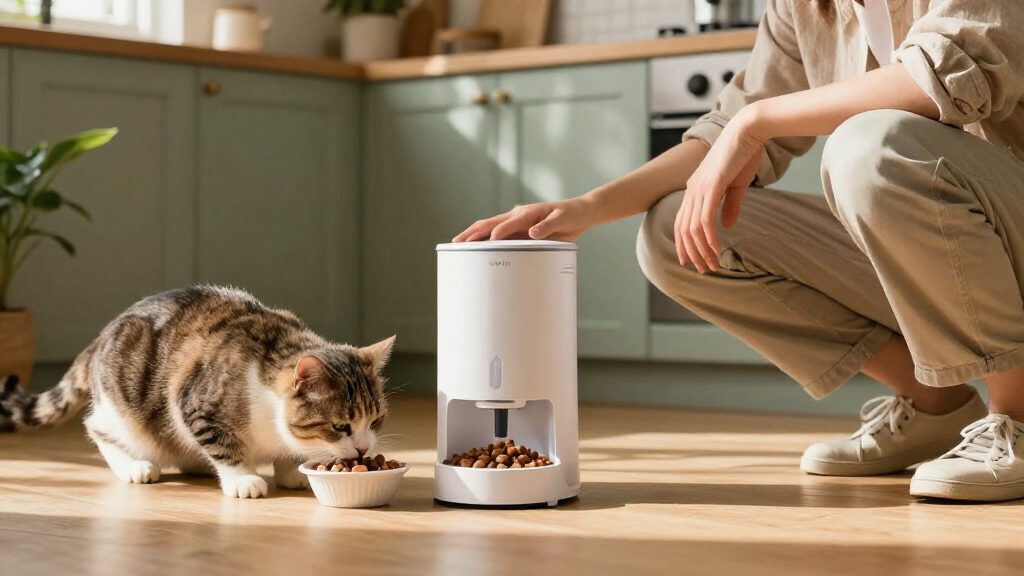
The Riko has a food hopper, an 80-ounce water tank and a retractable bowl beneath the dispensing system. At feeding time, it grinds the stored food, adds water and lets the meal rehydrate before serving. Watsky said the strongest results came from freeze-dried food, which the machine is designed to handle. The review describes the system as a way to prepare meals on demand rather than keep prepared wet food chilled in the feeder.
Neakasa says the device may also work with air-dried and baked food, but does not recommend extruded kibble. Watsky also tested his cat’s regular food, Supreme Source, and found that the feeder did not grind it. The cat accepted the softened food, but the reviewer said he was not ready to rely on the Riko for the full feeding routine. The review also notes that dialing in the water-to-food ratio required experimentation.
Watsky praised the Neakasa app for its feeding history, manual and scheduled controls, and estimated food and water levels. The unit includes removable storage tanks and two dishwasher-safe stainless-steel bowl inserts. The reviewer reported a minor scheduling glitch during testing, while noting that the tested unit appeared to be an early production model and lacked a cleaning brush included with other kits.
A Different Way to Automate Wet Meals
Wet food can be difficult to automate because it needs to be served fresh and should not sit out for too long. Watsky described the practical burden of planning around meals and keeping wet food available after his cat needed a wet-food diet. The Riko’s approach may address part of that problem: it stores dry, freeze-dried food and water separately, preparing a meal when the schedule calls for one.
That convenience comes with limits. The review says exclusively using freeze-dried food can cost more than canned food, and the device’s best performance was with the food type it is designed for. Owners considering the feeder would need to weigh meal preparation convenience against food cost, compatibility and the time needed to adjust moisture settings. The review is one tester’s experience, not evidence that the device will suit every cat or diet.
Products Worth Considering

Philips Hue Smart Light Starter Kit with Bridge and 4 White and Color A19 Bulbs

iRobot Roomba 105 Combo Robot Vacuum and Mop with AutoEmpty Dock

Sonos Era 100 Wireless Smart Speakers, 2-Pack, Black
As an affiliate, we earn on qualifying purchases.
How the Riko Prepares Food
Many automatic feeders are designed for dry kibble. Watsky’s review contrasts the Riko with wet-food dispensers that rely on freezer packs or refrigeration to keep prepared food cool; he said the refrigerated models he had considered held only about a day’s food. The Riko instead keeps its ingredients separate and rehydrates them at feeding time.
The product is aimed mainly at freeze-dried food, although the manufacturer says some air-dried and baked foods may also work. That distinction matters: Watsky found that the Riko did not grind the kibble he tried, even though it softened when water was added. The review recommends no broad compatibility claim beyond the tested experience and Neakasa’s stated guidance.
““I spent a month with the Neakasa Riko to see how it might help cat owners.””
— David Watsky, CNET reviewer
Food Compatibility and Reliability
The review does not establish how consistently the Riko performs with every brand or type of air-dried, baked or freeze-dried food. Watsky’s experience with one regular kibble brand showed that the machine did not grind it, and he stopped short of recommending it as a complete replacement for his cat’s feeding routine. Owners would need to check food compatibility and observe how their animal responds.
The review also reported a minor scheduling glitch during testing but did not specify its cause or whether a software update resolved it. Watsky said his device seemed to be an early production model, so it is unclear whether the missing cleaning brush or other observed details reflect the final retail kit. The source material does not provide independent long-term reliability results, veterinary guidance, or a full cost comparison across diets.
What Buyers Should Check
Anyone considering the Riko should confirm that their chosen food is suitable for the machine, then test the water-to-food ratio and feeding schedule while monitoring whether their cat eats the prepared meals. The review suggests the app provides scheduled and manual feeding controls, but the reported scheduling issue means buyers may want to verify that meals dispense as programmed rather than assume the system is error-free.
Further testing across more foods and longer use would help clarify compatibility, scheduling reliability and maintenance needs. The source material does not report a follow-up test or a specific planned update from Neakasa, so those points remain open.
Key Questions
How does the Neakasa Riko prepare a meal?
It stores dry food and water separately, then grinds and adds water to the food at feeding time so it can rehydrate before serving.
Which food worked best in the review?
CNET reviewer David Watsky reported the best results with freeze-dried food, the type the Riko is designed to use.
Can the Riko be used with kibble?
Neakasa says the device is not recommended for extruded kibble. Watsky tried one regular dry food and found the feeder did not grind it, although water softened it.
What drawbacks did the review identify?
The review cited a learning curve for moisture settings, the higher cost of relying on freeze-dried food compared with canned food, inconsistent results with some other dry foods and a minor scheduling glitch during testing.
Source: cnet.com