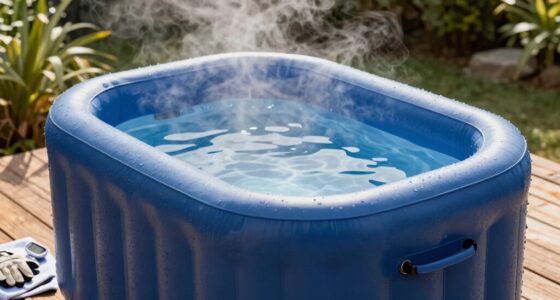
Cold water therapy can boost your recovery by reducing inflammation, soreness, and muscle fatigue, while also enhancing mental toughness and focus. It works through blood vessel constriction, which helps clear waste and accelerates healing. However, it’s important to follow safety precautions, such as starting with shorter sessions and avoiding it if you have heart issues. To discover how to safely incorporate cold water therapy into your routine, keep exploring the key strategies.
Play games included with Prime
Start a Prime free trial and play with Amazon Luna on your devices.
As an affiliate, we earn on qualifying purchases.
Key Takeaways
- Cold water therapy reduces inflammation, muscle soreness, and accelerates recovery after intense exercise.
- It enhances mental toughness, focus, and can improve mood by teaching calmness under stress.
- Proper equipment, water temperature, and session duration are essential for safety and effectiveness.
- Individuals with cardiovascular issues should consult a healthcare professional before starting cold water therapy.
- Combining cold immersion with good hydration, nutrition, and rest maximizes overall health and recovery benefits.

Chilly water immersion has gained popularity as a natural way to boost recovery, improve mood, and enhance overall health. When you immerse yourself in an ice bath, you’re exposing your body to cold temperatures that can help reduce inflammation, soreness, and muscle fatigue. This practice, often called ice bath recovery, has become a favorite among athletes and fitness enthusiasts seeking faster recovery times. The intense cold triggers your body to constrict blood vessels, which helps flush out metabolic waste and decrease swelling. Once you exit the bath, the rapid rewarming promotes increased blood flow, bringing fresh nutrients and oxygen to your muscles. This cycle accelerates healing and minimizes downtime after intense workouts. Regular ice bath recovery sessions can also sharpen your mental resilience. Enduring the discomfort of cold water forces you to develop mental toughness, teaching you to stay focused and calm under stress. Over time, this mental discipline can translate into better handling of daily challenges, reducing anxiety and improving your overall mindset. The process of immersing yourself in cold water is not just physically beneficial; it also trains your mind to tolerate discomfort, which can boost your confidence and emotional stability. Incorporating proper equipment like insulated tubs or specific gear can make cold water therapy safer and more effective. However, it’s vital to approach cold water therapy with caution. Not everyone responds the same way to ice baths, especially those with cardiovascular issues or circulatory problems. Cold exposure causes blood vessels to constrict, which can put undue stress on your heart if you’re not careful. Always start with shorter sessions—around 5 to 10 minutes—and gradually increase as your body adapts. Make certain the water temperature is appropriate, typically between 50 and 59°F (10-15°C), and avoid staying in the cold water for too long to prevent hypothermia or frostbite. If you feel dizzy, numb, or excessively uncomfortable, it’s imperative to get out immediately. Listening to your body is key to safely incorporating cold water therapy into your routine. Additionally, consult a healthcare professional if you have underlying health conditions before trying ice bath recovery. Remember, while cold water immersion offers many benefits, it’s not a one-size-fits-all solution. Combining it with proper hydration, nutrition, and rest guarantees you maximize the health benefits without risking adverse effects. By approaching cold water therapy thoughtfully and consistently, you can harness its potential to boost your physical recovery and mental resilience, making it a valuable tool in your overall health regimen.
As an affiliate, we earn on qualifying purchases.
Frequently Asked Questions
Can Cold Water Therapy Help With Mental Health Issues?
Cold water therapy can boost your mental health by reducing stress and enhancing emotional resilience. When you immerse yourself in cold water, your body releases endorphins, which lift your mood. It also helps you build mental toughness by challenging your comfort zone. Regular practice may improve your ability to handle emotional stress more effectively, giving you a sense of control and improved overall well-being.
How Long Should Each Cold Water Session Last?
You should aim for cold water sessions lasting between 2 to 5 minutes, following the duration guidelines for safe practice. Start with shorter durations and gradually increase as your body adapts. For ideal benefits, maintain a consistent session frequency—about 2 to 3 times a week. Always listen to your body, and avoid overextending your time in cold water to prevent any adverse effects.
Are There Any Age Restrictions for Cold Water Therapy?
Like a delicate flower, age limits for cold water therapy vary, and you should prioritize pediatric safety. Generally, children and teenagers should only engage under professional supervision, as their bodies are more vulnerable. Adults usually tolerate cold water better, but it is crucial to consult a healthcare provider for personalized advice. Always listen to your body, especially if you’re new to cold water, to ensure safety at any age.
Can Cold Water Therapy Replace Traditional Medical Treatments?
Cold water therapy can’t substitute traditional medical treatments, but it can serve as a complementary approach to support your wellness. You should not rely solely on it, especially for serious conditions. Keep in mind that evidence limitations exist, and more research is needed to fully understand its effectiveness. Always consult with a healthcare professional before integrating cold water therapy into your health routine to ensure safety and appropriateness.
What Are the Signs of Adverse Reactions During Therapy?
During cold water therapy, watch for signs of adverse reactions like signs of hypothermia—shivering, dizziness, confusion, or numbness—and signs of skin irritation such as redness, itching, or burning. If you experience any of these, immediately stop the therapy and warm up. If symptoms worsen, seek medical attention. Always listen to your body and consult a professional if you’re unsure about reactions or safety.
Conclusion
Just as explorers once dared to brave uncharted waters, you too can discover the potential benefits of cold water therapy. While it offers remarkable advantages like improved circulation and recovery, remember to approach with caution and listen to your body. Think of it as a voyage into the unknown—with preparation and awareness, you can open its rewards safely. Embrace the challenge, and let the icy depths invigorate your mind and body.
Flea & tick season Picks
flea and tick prevention
As an affiliate, we earn on qualifying purchases.