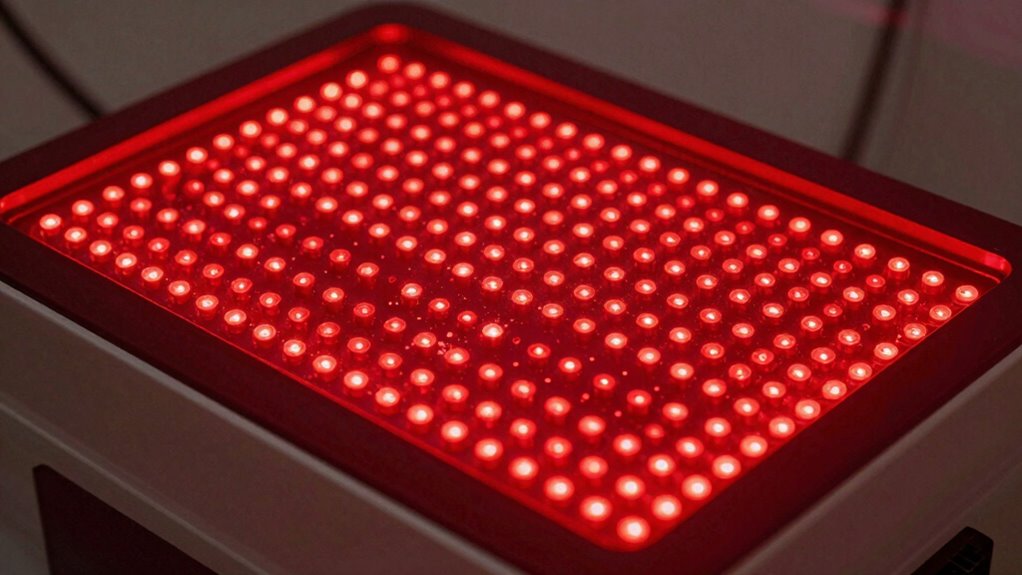

In red light therapy, the wavelength numbers, measured in nanometers (nm), show how deeply the light penetrates your skin and tissues. Shorter wavelengths (around 620-640 nm) target surface layers, boosting skin health, while longer wavelengths (810-850 nm) reach deeper muscles and joints for pain relief and healing. Knowing what these numbers mean helps you choose the right therapy for your goals. If you want to learn more, keep exploring how different wavelengths work for your body.
Play games included with Prime
Start a Prime free trial and play with Amazon Luna on your devices.
As an affiliate, we earn on qualifying purchases.
Key Takeaways
- Wavelength numbers in nanometers (nm) indicate the light’s position in the spectrum, affecting tissue penetration depth.
- Shorter wavelengths (620-640 nm) target superficial skin layers; longer wavelengths (810-880 nm) reach deeper tissues like muscles and joints.
- Specific wavelengths activate cellular photoreceptors, stimulating biological responses such as collagen production or inflammation reduction.
- Accurate wavelength calibration ensures the device delivers the intended therapeutic effects for skin, pain, or deep tissue healing.
- Wavelength choice depends on treatment goals, with precise numbers guiding targeted, effective red light therapy sessions.
As an affiliate, we earn on qualifying purchases.
What Is Red Light Therapy and How Does It Work?
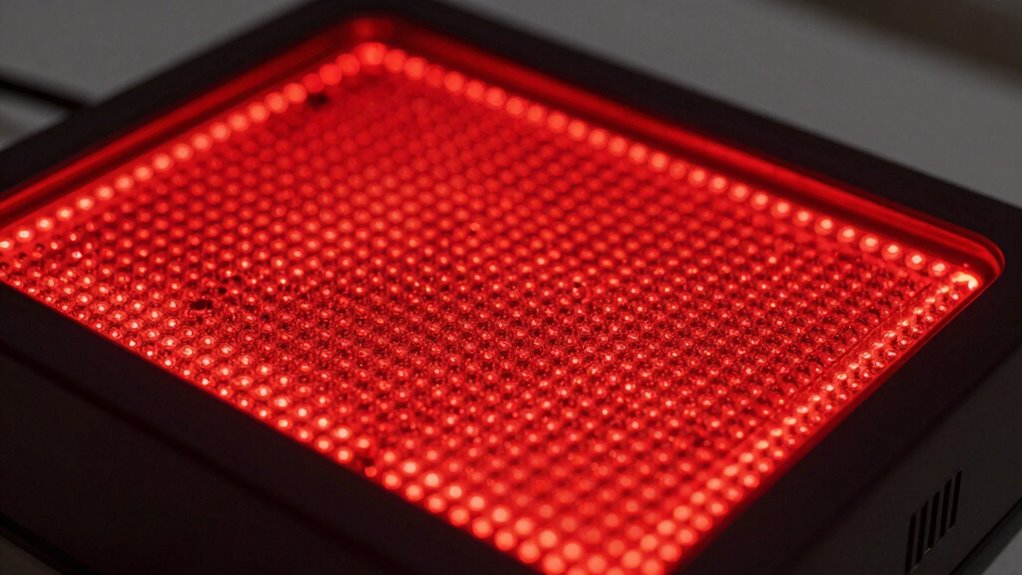
Red Light Therapy, also known as low-level laser therapy or photobiomodulation, involves exposing your skin to specific wavelengths of red or near-infrared light. Its phototherapy history dates back decades, with early research exploring how different parts of the light spectrum can influence biological processes. When you undergo this therapy, the light penetrates your skin and interacts with cells, stimulating energy production at the cellular level. This process helps reduce inflammation, enhance healing, and support overall skin health. Because of its roots in phototherapy, scientists have studied how specific wavelengths affect your body, leading to precise treatments. Understanding the light spectrum used allows you to appreciate how targeted wavelengths can produce therapeutic effects without heat or damage. Additionally, knowledge about the desired wavelengths helps optimize treatment effectiveness and safety. Recognizing the importance of wavelength specificity ensures that treatments are both safe and effective for various health applications. Furthermore, advances in light spectrum research continue to refine how these therapies are applied for maximum benefit. A deeper understanding of phototherapy mechanisms also contributes to the development of more effective and tailored treatment protocols. Exploring cellular response to light has revealed how different wavelengths activate specific biological pathways, further improving therapy outcomes.
How Do Red and Near-Infrared Light Wavelengths Interact With Your Body
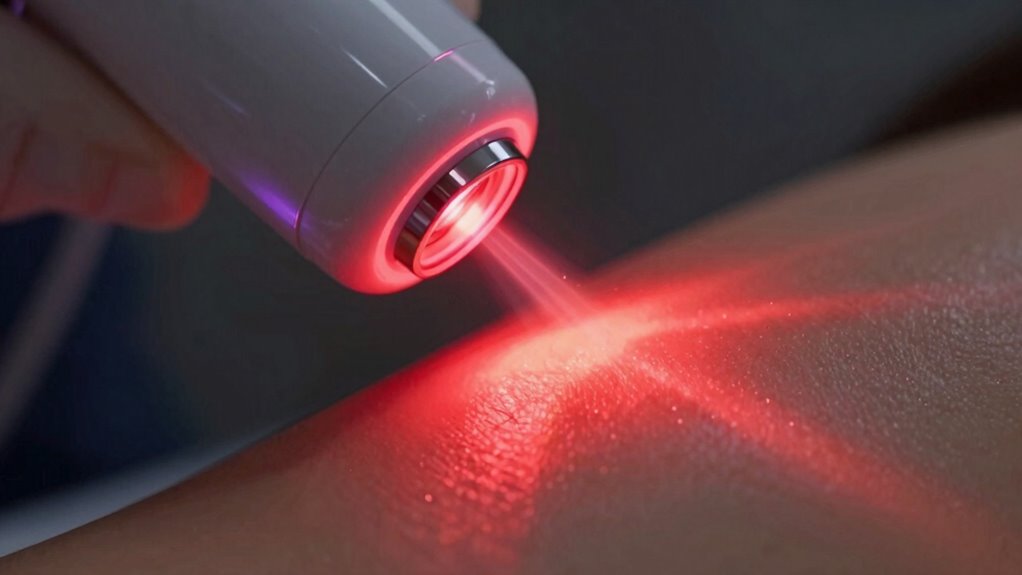
When red and near-infrared light penetrate your skin, they are absorbed by your cells, especially in the mitochondria. This absorption triggers a series of biological responses, boosting your cell’s energy production. As a result, your body initiates healing processes and reduces inflammation. Maintaining proper light exposure is essential for optimizing these beneficial effects. Regular maintenance of light therapy devices can ensure consistent and safe treatment outcomes. Additionally, understanding wavelength numbers helps you choose the right devices for targeted health benefits. Knowing how light wavelengths interact with biological tissues can further enhance your treatment effectiveness, ensuring you get the most benefit from your therapy sessions.
Light Absorption by Cells
Light absorption by cells occurs when specific wavelengths of red and near-infrared light penetrate your skin and interact with the underlying tissues. This process involves cellular photoreceptors—specialized molecules that detect light and trigger cellular responses. When light penetrates your skin, it reaches these photoreceptors, which then absorb the energy. This absorption initiates a cascade of biological effects, such as increased cellular activity and improved tissue repair. The effectiveness of light penetration depends on the wavelength; near-infrared light typically penetrates deeper than visible red light, reaching more cells. Additionally, wavelength selection plays a critical role in optimizing therapeutic outcomes by targeting specific cellular responses. This targeted absorption allows your cells to harness light energy efficiently, setting the stage for the cellular processes that support healing and regeneration. Understanding light wavelengths helps clarify why different wavelengths have distinct biological impacts. Moreover, the penetration depth of light influences how effectively it can reach deeper tissues essential for comprehensive therapy. Recognizing cellular photoreceptors and their activation helps explain the underlying mechanisms of light-based therapies.
Mitochondrial Activation Process
Red and near-infrared wavelengths penetrate your skin and directly interact with mitochondria, the energy-producing structures within your cells. This interaction enhances mitochondrial function by stimulating the activity of cytochrome c oxidase, a key enzyme in the electron transport chain. As a result, your cells produce more cell energy in the form of ATP, which fuels various biological processes. Increased mitochondrial efficiency helps reduce oxidative stress and supports cellular repair. When your mitochondria respond to these wavelengths, they become more active, improving overall cell health and vigor. This process lays the foundation for the benefits of red light therapy, as optimized mitochondrial function is essential for healing, regeneration, and maintaining your body’s energy balance. Additionally, the high contrast ratios of the light can influence how effectively these wavelengths are absorbed by tissues, further enhancing therapeutic outcomes. Moreover, the specific wavelength numbers determine how deeply the light penetrates, affecting its ability to reach different tissue layers and optimize therapeutic effects. The ability of specific wavelengths to target different tissues can further improve the effectiveness of red light therapy by customizing treatment to individual needs.
Biological Response Triggers
The interaction between red and near-infrared wavelengths and your body triggers a series of biological responses that enhance cellular function. When these wavelengths penetrate your skin, they activate cell signaling pathways by reaching mitochondria and other cellular structures. This light penetration prompts your cells to produce more ATP, boosting energy levels and repair processes. The triggered cell signaling cascades also reduce inflammation and promote tissue regeneration. As a result, your body responds with improved healing, reduced pain, and better overall cellular health. The ability of specific wavelengths to effectively penetrate tissues determines how well these biological response triggers occur. Essentially, the right wavelengths initiate a chain reaction that optimizes your body’s natural healing and regenerative capabilities. Tissue penetration plays a crucial role in the effectiveness of red light therapy. Additionally, wavelength selection is vital because it influences how deeply the light can reach and activate targeted tissues.
What Do Wavelength Numbers Really Mean in Red Light Therapy?
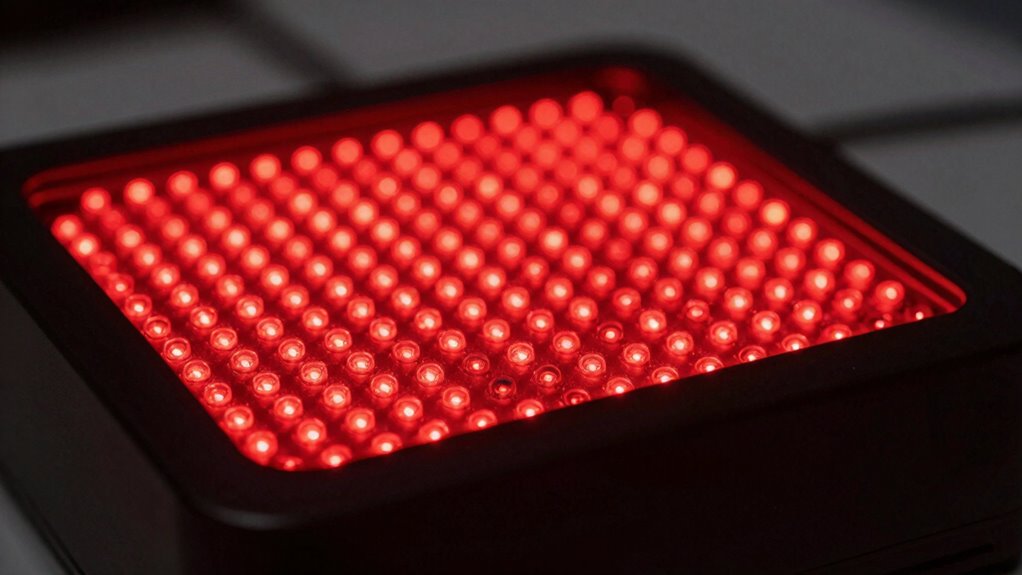
Understanding what wavelength numbers mean in red light therapy can seem confusing at first, but it’s essential for grasping how this treatment works. Wavelength measurement indicates the specific distance between peaks in the light spectrum, which determines how deeply the light penetrates your skin. Here’s what these numbers reveal:
Wavelength numbers reveal how deeply red light penetrates and affects your skin and tissues.
- The exact position within the light spectrum, typically in nanometers (nm). This measurement directly influences the biological effects of the light on tissues.
- The energy level of the light, influencing its biological effects.
- How effectively the light targets cellular structures.
- The potential depth of tissue penetration.
- The importance of science-based information in selecting the appropriate wavelengths for specific health outcomes. Additionally, understanding the biological effects of different wavelengths helps optimize treatment efficacy. Knowing the wavelength range is crucial for matching therapy to your specific needs. Recognizing the interaction between wavelength and tissue type can further enhance personalized treatment plans.
These details help you understand why certain wavelengths are chosen for specific treatments, ensuring you get the most benefit from your red light therapy sessions.
How Different Wavelengths Affect Your Skin and Body
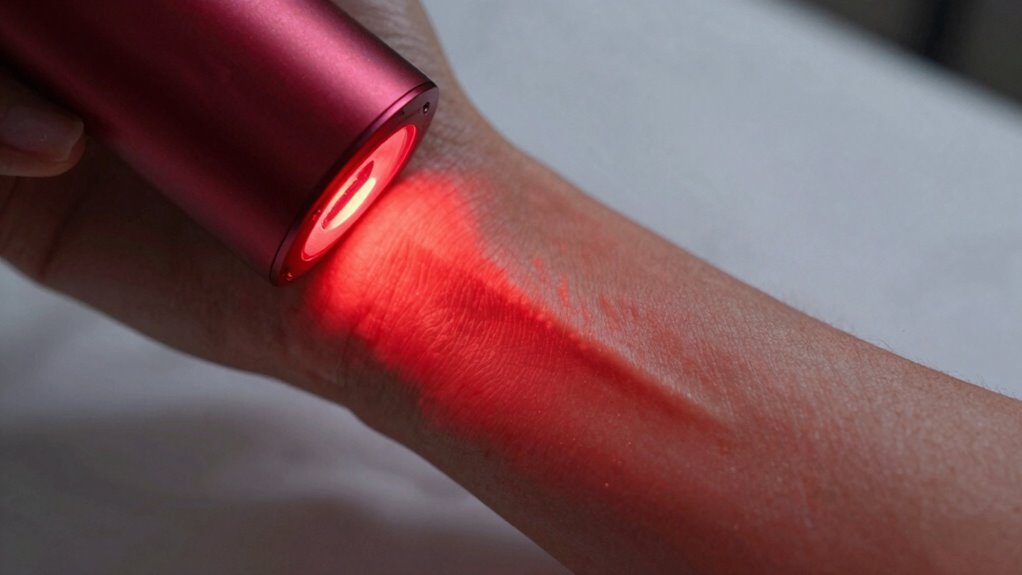
Different wavelengths of red light penetrate your skin and body tissues to varying degrees, producing distinct biological effects. Shorter wavelengths, like those around 620-630 nm, tend to target superficial layers, offering phototherapy benefits such as improved skin tone and reduced inflammation. Longer wavelengths, like 810-850 nm, penetrate deeper, reaching muscles and joints, which can help reduce pain and promote healing. The wavelength spectrum determines how effectively light interacts with different tissues, influencing the outcomes of your therapy sessions. Some wavelengths stimulate cellular activity, boosting collagen production or circulation, while others focus on anti-inflammatory effects. Understanding these interactions helps you choose the right red light therapy for your specific needs. Additionally, the Paint Sprayer Zone offers insights into equipment and techniques that can help optimize your therapy setup, ensuring you select the appropriate device for your desired biological effects.
Which Wavelengths Are Best for Skin Rejuvenation?
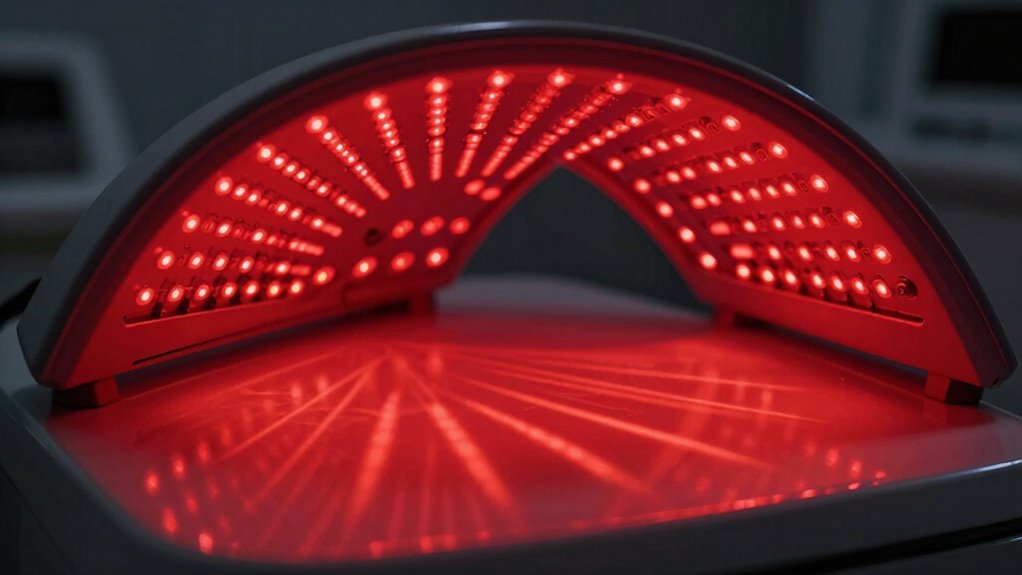
If you’re aiming to improve your skin’s appearance, wavelengths around 620-630 nm are often the most effective. These wavelengths penetrate the skin’s surface well, targeting issues like pigmentation and scars. They help stimulate collagen production and reduce inflammation, leading to clearer, smoother skin. For pigmentation issues, these wavelengths can break down excess melanin, evening out skin tone. In scar treatment, they promote tissue repair and reduce scar visibility. Consider these options:
Wavelengths around 620-630 nm effectively target pigmentation, scars, and promote smoother, clearer skin.
- 620-630 nm for pigmentation correction
- 630-640 nm for collagen stimulation
- 650-670 nm for scar healing
- 610-620 nm for overall skin rejuvenation
Choosing the right wavelength depends on your specific skin goals, but these ranges are proven effective for enhancing skin clarity and texture.
Wavelengths for Pain Relief and Inflammation: What the Science Says
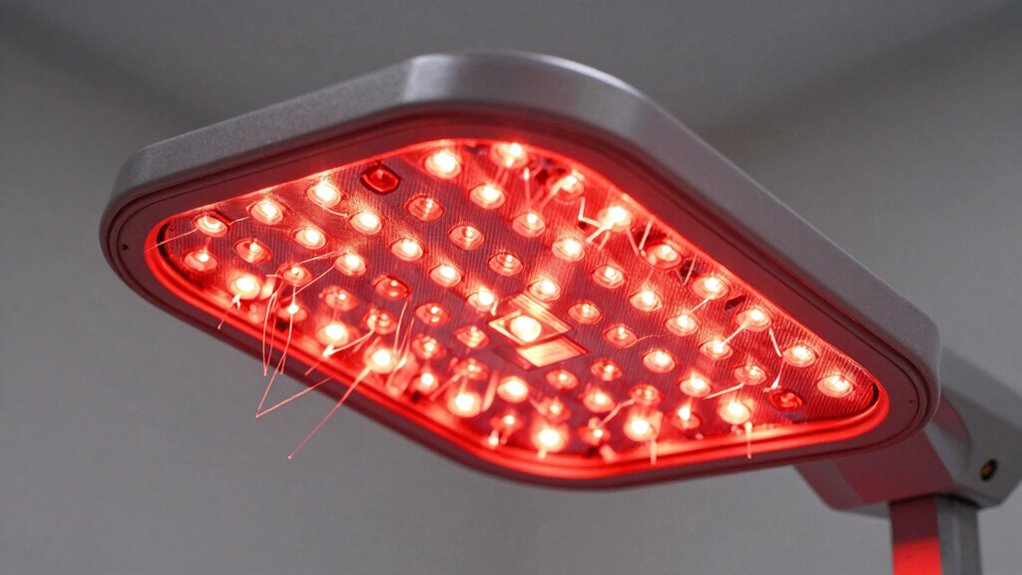
Wavelengths in the range of 810-880 nm are most supported by science for pain relief and reducing inflammation. These wavelengths penetrate deeply, making them effective for phototherapy applications targeting muscle and joint discomfort. Studies show that red and near-infrared light within this spectrum can modulate inflammation pathways and increase blood flow, helping to ease pain. When using light therapy for these purposes, safety is vital; this range has been extensively researched and is generally considered safe when used properly. You should always follow recommended protocols to avoid overexposure. Overall, these wavelengths offer a promising, non-invasive option for managing pain and inflammation, backed by scientific evidence and considered safe for regular use in light therapy routines.
How to Choose the Right Wavelength for Your Wellness Goals
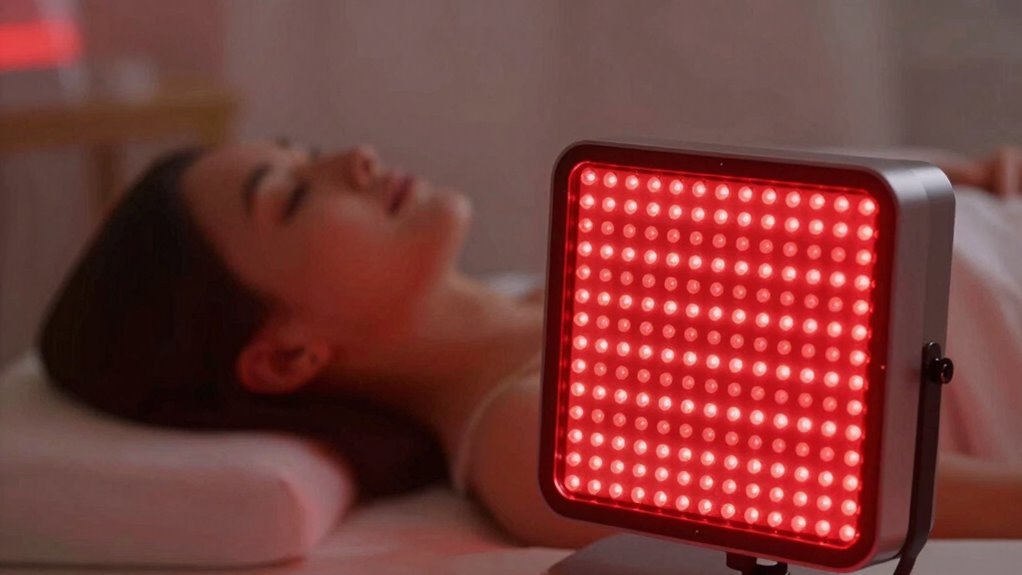
Choosing the right wavelength for your wellness goals depends on understanding how different options target specific benefits. The key is to match light penetration depth with your intended outcome. Shorter wavelengths, like those in the visible spectrum, generally penetrate superficial tissues, ideal for skin health. Longer wavelengths, in the near-infrared spectrum, penetrate deeper, making them suitable for muscle recovery or joint pain. Consider these factors:
Choosing the right wavelength ensures effective targeting of skin or deep tissues for your wellness goals.
- Determine your target tissue depth—surface or deep.
- Match your goal with appropriate wavelength spectrum.
- Recognize that longer wavelengths offer deeper light penetration.
- Balance wavelength selection with your specific wellness priorities.
Common Mistakes When Picking Wavelengths and How to Avoid Them
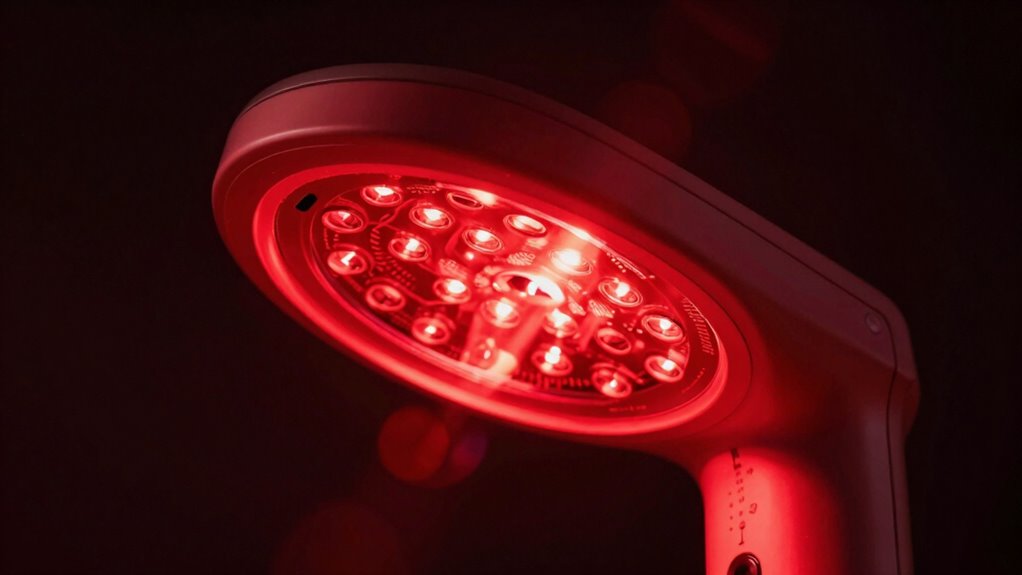
One common mistake is selecting a wavelength without clearly understanding your specific wellness goals, which can lead to suboptimal results. Wavelength misconceptions often cause people to fall into selection pitfalls, choosing options based on popularity or price instead of scientific relevance. For example, assuming longer wavelengths always penetrate deeper ignores the importance of targeted therapy. To avoid this, research how different wavelengths interact with tissues and address your needs directly. Don’t rely solely on device labels or marketing claims; instead, understand the science behind each wavelength. Making informed choices ensures you get the most benefit from your red light therapy. Clarifying your goals before selecting a wavelength helps prevent common mistakes and maximizes the therapy’s effectiveness for your unique condition.
Questions to Ask Before Buying a Red Light Therapy Device

Before purchasing a red light therapy device, you should ask about its wavelength warnings to guarantee safety and effectiveness. It’s also important to understand the device’s features and specifications to find what suits your needs. Asking these questions helps you make an informed decision and get the best results from your investment.
Wavelength Warnings to Know
Understanding the wavelength of a red light therapy device is essential because not all wavelengths deliver the same benefits or safety. Wavelength warnings help you identify potential risks and guarantee safe use. Before purchasing, ask these critical questions:
- Does the device specify wavelength ranges clearly to avoid unintentional exposure to harmful ranges?
- Are there safety precautions outlined for specific wavelengths, especially those in the near-infrared spectrum?
- Has the device been tested for compliance with safety standards related to wavelength emissions?
- Are there warnings about overexposure or prolonged use that could cause adverse effects?
Being aware of these wavelength warnings helps you make informed decisions, ensuring safe and effective red light therapy sessions. Always prioritize safety precautions when selecting your device.
Device Features and Specs
When choosing a red light therapy device, it’s crucial to scrutinize its features and specifications to guarantee it meets your needs. Focus on device features like size, portability, and ease of use, which impact your convenience. Check the technical specifications, including wavelength range, power output, and treatment area size, to ensure the device delivers effective therapy. Look for adjustable settings, timers, and safety features that enhance control and safety during use. Durability and build quality also matter, so consider the device’s construction and warranty. By comparing these details, you’ll find a device that aligns with your goals, whether for skin health, pain relief, or overall wellness. Clear understanding of features and specs helps you make an informed, confident purchase.
Summary: Making Informed Choices About Red Light Wavelengths
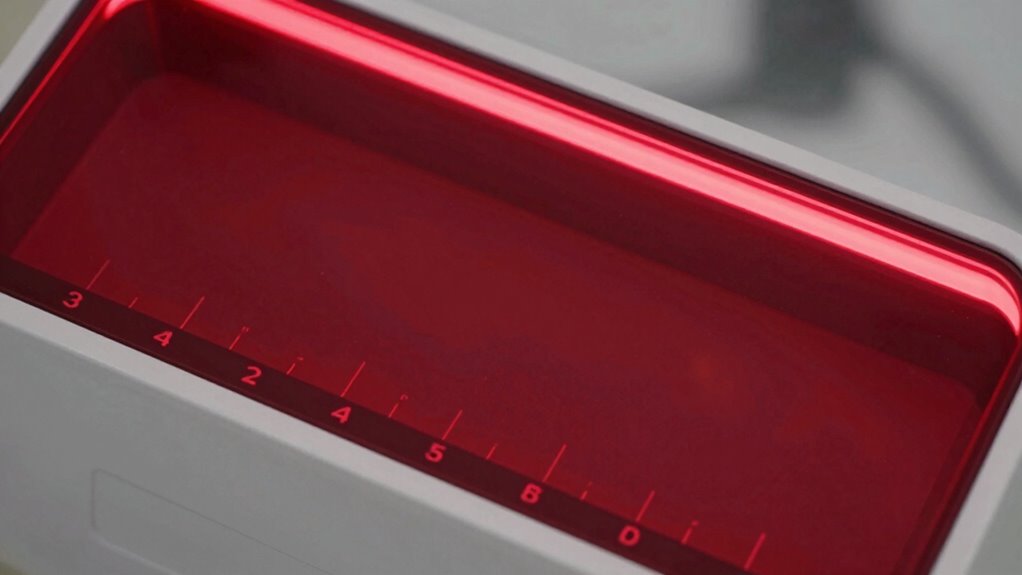
Choosing the right red light wavelength is essential because different wavelengths penetrate the skin to varying depths and produce different therapeutic effects. To make informed choices, consider how color therapy guides your selection based on specific outcomes. Proper wavelength calibration ensures you target the desired tissues effectively. Here are key points to keep in mind:
- Understand that shorter wavelengths (around 620-635 nm) are ideal for surface-level skin issues.
- Longer wavelengths (around 810-850 nm) penetrate deeper for muscle and joint relief.
- Use wavelength calibration to match device output with your treatment goals.
- Recognize that color therapy principles can help you choose wavelengths aligned with specific health benefits.
Being aware of these factors helps you optimize red light therapy for maximum benefit.
Frequently Asked Questions
Can Different Wavelengths Be Combined for Enhanced Therapy?
Yes, you can combine different wavelengths for enhanced therapy. Wavelength customization allows you to target multiple skin layers and issues simultaneously. Using therapy synergy, you blend red and near-infrared light, maximizing benefits like inflammation reduction and tissue repair. This approach can improve overall results, giving you a more thorough treatment. Just make certain your device supports multiple wavelengths, and follow recommended guidelines to achieve safe, effective outcomes.
How Long Should I Use Each Wavelength for Optimal Results?
Imagine soaking in sunlight on a clear day, each wavelength gently absorbed by your skin. For ideal results, you should typically use each wavelength for about 10-20 minutes per session. This allows proper wavelength absorption without overstimulation. Adjust therapy duration based on your skin’s response and specific goals. Consistency matters, so stick with a routine to maximize benefits and guarantee your skin absorbs the right amount of each wavelength.
Are There Any Safety Concerns With Specific Wavelengths?
You should be aware that certain wavelengths, especially near-infrared light, can pose eye safety risks if not used properly. Always wear protective goggles to shield your eyes, and avoid staring directly at the light source. Skin sensitivity varies, so start with shorter sessions and lower intensities to prevent irritation. Follow manufacturer guidelines and consult a healthcare professional if you experience discomfort or have sensitive skin concerns.
Do Wavelength Numbers Change With Device Settings or Manufacturer?
They say “a chain is only as strong as its weakest link,” and the same applies to your red light device. Wavelength numbers can vary with device calibration and manufacturer settings, affecting wavelength consistency. Always guarantee your device is properly calibrated and from a reputable brand to maintain consistent wavelengths. This way, you get the intended therapeutic benefits without surprises or safety concerns.
Is There a Universal Best Wavelength for All Health Conditions?
There isn’t a universal best wavelength for all health conditions because wavelength variability impacts individual response. You should consider your specific needs and consult with a professional to find the most effective wavelength. Different wavelengths penetrate tissues differently, so what works for one person or condition may not work for another. Personal response varies, making it essential to tailor your red light therapy sessions for the best results.
Conclusion
Choosing the right red light wavelength is like finding the perfect key to open your wellness potential. By understanding what those numbers truly mean, you can avoid pitfalls and make informed decisions. Don’t let confusion dim your glow—embrace knowledge as your guiding star. With the right wavelength, you’re not just investing in a device; you’re unlocking a brighter, healthier you. After all, isn’t your well-being worth the brightest light?
Fall Picks
fall essentials
As an affiliate, we earn on qualifying purchases.