To balance sunlight and vitamin D, aim for 10 to 30 minutes of exposure on your face, arms, or legs a few times weekly, depending on your skin type, location, and season. Avoid peak sun hours, wear protective clothing, and use sunscreen after initial exposure to prevent skin damage. Remember, short, regular sun sessions help boost vitamin D while safeguarding your skin. If you want to learn how to optimize this balance safely, you’ll find helpful tips below.
Key Takeaways
- Aim for 10-30 minutes of sun exposure on face, arms, or legs a few times weekly to support vitamin D synthesis.
- Avoid peak sun hours (10 a.m. to 4 p.m.) to minimize skin damage while still obtaining UV benefits.
- Wear protective clothing, sunglasses, and sunscreen after initial vitamin D production to prevent skin harm.
- Consider dietary sources or supplements when natural sunlight exposure is limited by season or skin type.
- Balance sun exposure with protective measures, monitoring skin response, and consulting healthcare providers for personalized guidance.

Sunlight plays a vital role in your body’s production of vitamin D, often called the “sunshine vitamin.” When your skin is exposed to sunlight, it triggers a chemical reaction that synthesizes vitamin D, which is necessary for maintaining healthy bones, supporting your immune system, and regulating mood. This process, known as vitamin D synthesis, depends heavily on your exposure to ultraviolet (UV) rays from the sun. To maximize benefits and minimize risks, understanding UV exposure guidelines is key. Typically, about 10 to 30 minutes of sun exposure on your face, arms, or legs a few times a week can generate sufficient vitamin D for most people, but this varies based on skin type, geographic location, and season. Lighter skin synthesizes vitamin D more quickly, while darker skin may require longer exposure.
However, it’s important to strike a balance. Overexposure to UV rays can increase your risk of skin damage and skin cancer. The UV exposure guidelines recommend avoiding peak sun hours, usually between 10 a.m. and 4 p.m., when UV radiation is strongest. Wearing protective clothing, sunglasses, and broad-spectrum sunscreen after the initial vitamin D synthesis period helps guard against harmful effects. Remember, the goal isn’t to burn but to get enough sun to support vitamin D production without risking skin health.
Many factors influence how much vitamin D you can produce from sunlight, including latitude, season, and your skin’s pigmentation. During winter months or in northern latitudes, UV rays are weaker, making it harder to produce sufficient vitamin D. In such cases, dietary sources or supplements might be necessary. It’s also worth noting that UV exposure guidelines suggest that repeated, moderate sun exposure is more advantageous than prolonged, unprotected sessions. Proper sun management involves balancing adequate sun exposure with protective measures to optimize vitamin D levels while reducing skin damage risks. Consistent, short periods of sun allow your body to generate vitamin D while reducing the risk of skin damage.
Ultimately, understanding vitamin D synthesis and following UV exposure guidelines helps you harness sunlight’s benefits responsibly. By balancing adequate sun exposure with protective measures, you support your vitamin D levels without compromising skin health. Keep in mind that individual needs vary, so paying attention to your skin’s response and consulting with healthcare professionals can help you develop a personalized approach. Proper sun management ensures you maintain ideal vitamin D levels, supporting overall health and well-being while minimizing potential risks.
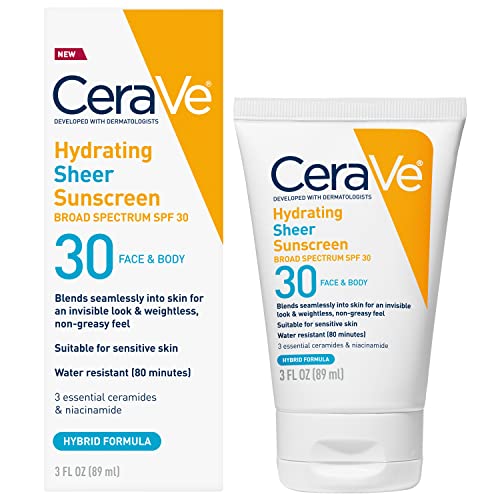
CeraVe Hydrating Sheer Sunscreen with SPF 30 for Face and Body, Mineral & Chemical Sunscreen for Men & Women with Zinc Oxide, Hyaluronic Acid and Ceramides, Paraben-Free + Fragrance-Free, 3 Ounces
[ FACE SUNSCREEN & BODY SUNSCREEN WITH SPF 30 ] CeraVe sunblock helps protect your skin against harmful…
As an affiliate, we earn on qualifying purchases.
As an affiliate, we earn on qualifying purchases.
Frequently Asked Questions
Can Vitamin D Be Obtained Solely Through Diet Instead of Sunlight?
Yes, you can get vitamin D solely through diet, but it’s challenging. Food sources like fatty fish, fortified dairy products, and egg yolks provide some vitamin D, helping with your nutritional intake. However, relying only on diet may not provide enough, especially if you have limited sun exposure. To meet your vitamin D needs, consider a combination of dietary sources and supplements if necessary.
How Does Skin Color Affect Vitamin D Synthesis From Sunlight?
Think of melanin as a natural shield, much like armor for your skin. Your skin color, influenced by pigmentation, affects how much vitamin D your body synthesizes from sunlight. Darker skin contains more melanin, which absorbs UV rays and reduces vitamin D production. Conversely, lighter skin permits more UV absorption, enabling quicker vitamin D synthesis. So, your skin’s pigmentation plays a crucial role in balancing vitamin D production and protection from UV damage.
Are There Risks Associated With Excessive Sun Exposure for Vitamin D Production?
Exposing yourself to too much sun for vitamin D production can lead to skin damage and increase your risk of skin cancer. While sunlight helps your body make vitamin D, excessive exposure damages skin cells, causing premature aging and raising cancer risks. To stay safe, limit direct sun time, wear protective clothing, and use sunscreen, especially during peak hours. Balance your need for vitamin D with these protective measures.
Can Supplements Fully Replace Sunlight-Derived Vitamin D?
Supplements can help meet your vitamin D needs, but they might not fully replace sunlight-derived vitamin D for everyone. Dietary limitations can affect supplement efficiency, making it harder to get enough through pills alone. Sunlight naturally boosts vitamin D production and provides benefits supplements can’t match. To optimize your levels, combine safe sun exposure with supplements, especially if dietary restrictions limit your intake. Always consult a healthcare professional for personalized advice.
How Does Age Impact Vitamin D Production From Sunlight?
Aging effects considerably reduce your skin’s ability to produce vitamin D from sunlight. By age 70, elderly synthesis drops by about 75%, making it harder to get enough vitamin D naturally. This decline means you need more sun exposure or supplements to maintain healthy levels. As you age, it’s crucial to monitor your vitamin D intake, since your body’s capacity to produce it diminishes, increasing your risk of deficiency.

Women's Sun Protective Jacket Full Zip UPF 50+ UV Sun Protection Clothing Lightweight Long Sleeve Hoodie Sun Shirt (Dark Grey)
Breathable and icy polyester fabric, soft and cool touch, makes you fell cool under the sun. The sun…
As an affiliate, we earn on qualifying purchases.
As an affiliate, we earn on qualifying purchases.
Conclusion
Balancing sunlight exposure is like walking a tightrope—you want enough to boost your vitamin D, but not so much that you risk damage. By being mindful of your time in the sun, wearing protective clothing, and applying sunscreen, you can enjoy the benefits without the dangers. Remember, the right mix keeps your skin safe and your vitamin D levels healthy, like a well-tuned instrument playing in harmony. Stay smart, stay safe, and soak up the sunshine wisely.

Vitamatic Vitamin D3 50,000 IU (as Cholecalciferol), Once Weekly Dose, 1250 mcg, 60 Veggie Capsules 1 Year Supply, Progressive Formula Helping Vitamin D Deficiencies (60 Count (Pack of 1))
Once Weekly dose helps with adherence , 60 weeks supply (more than 1 year)
As an affiliate, we earn on qualifying purchases.
As an affiliate, we earn on qualifying purchases.

Neutrogena Ultra Sheer Dry-Touch Sunscreen Lotion SPF 70, Broad Spectrum, Water Resistant 80 Min, Oil-Free, Oxybenzone-Free, Non-Comedogenic, Matte Finish, Body Sunscreen, Travel Size 3 Fl Oz
SPF 70 broad spectrum sunscreen lotion delivers high UVA/UVB protection for daily use; water resistant for up to…
As an affiliate, we earn on qualifying purchases.
As an affiliate, we earn on qualifying purchases.