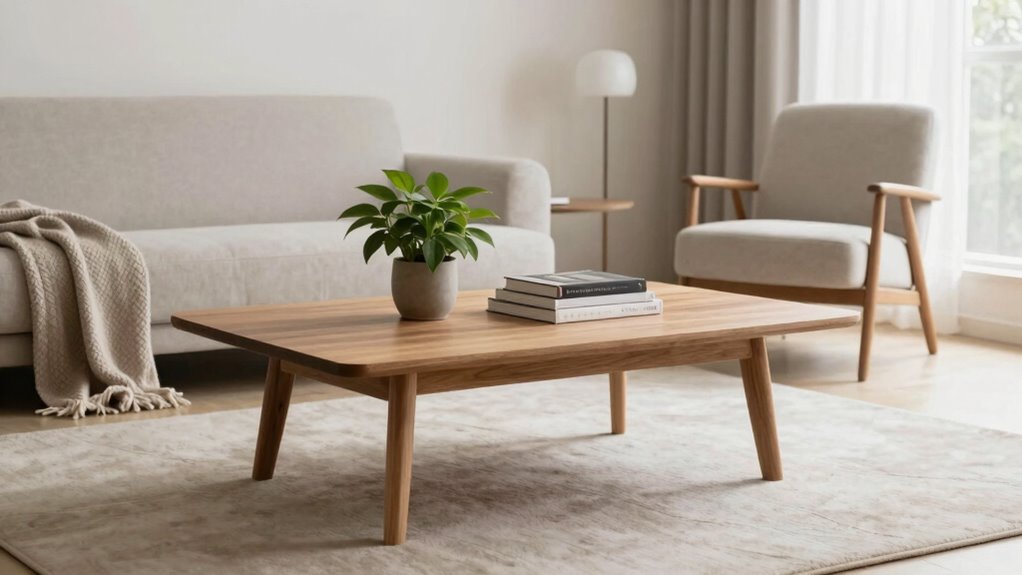

To buy less but better for your home, focus on quality, sustainable materials, and minimalist design. Evaluate what truly adds value and resist impulse purchases. Prioritize items made from reclaimed or recycled materials that support ethical production. Curate a collection of meaningful, durable pieces that enhance your space and reflect your values. By choosing purpose over quantity, you’ll create a calm, functional, and eco-friendly home; discover how to refine your choices further.

Get home appliances delivered free — and shop member deals
- Fast, free delivery on millions of items
- Access to Prime Big Deal Days deals on October 6–7
- Prime Video, Amazon Music and more included
Key Takeaways
- Prioritize high-quality, sustainable materials that are durable and timeless, reducing the need for frequent replacements.
- Curate a minimalist collection by selecting meaningful, functional pieces that align with your lifestyle and values.
- Evaluate existing possessions to identify and retain only items that add value or serve a purpose.
- Avoid impulse buying by planning purchases carefully and focusing on essentials and statement pieces.
- Choose eco-friendly, ethically sourced products to ensure your home supports environmental and social well-being.
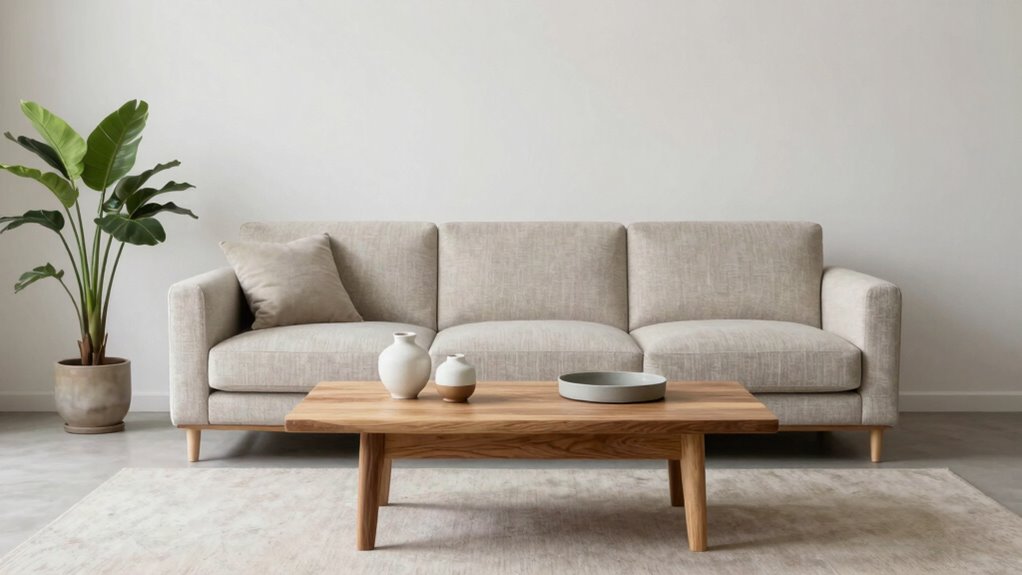
In a world flooded with endless options and constant consumerism, choosing to buy less but better for your home can transform your space and your life. Instead of filling your rooms with clutter, focus on quality over quantity. One way to do this is by prioritizing sustainable materials. These materials are not only better for the environment but often more durable and timeless, ensuring your purchases stand the test of time. Think reclaimed wood, organic textiles, and recycled metals—these choices reduce waste and lessen your ecological footprint. When you opt for sustainable materials, you’re making a conscious decision to support ethical production and create a healthier home environment. Incorporating biodiversity into your choices can further enhance your commitment to environmental stewardship and support ecosystems through responsible sourcing. Additionally, choosing materials that promote local sourcing can reduce transportation emissions and support local economies. Being aware of the carbon footprint of your purchases can help you make more environmentally conscious decisions and further align your home with sustainability goals. Understanding the life cycle of products can also provide insight into their environmental impact from production to disposal. Recognizing the environmental impact of your choices encourages you to prioritize eco-friendly options in every aspect of your home.
Embracing minimalist design goes hand in hand with buying less but better. Minimalism isn’t about stripping your space of everything; it’s about curating a collection of meaningful, functional pieces that serve a purpose. By focusing on clean lines, simple forms, and neutral tones, you create a calming, organized space that feels intentionally designed. This approach encourages you to select items that truly resonate with your style and needs, rather than succumbing to fleeting trends or impulse buys. Minimalist design also makes your home easier to maintain and keeps it looking fresh and uncluttered. When each piece has a purpose and a story, your home becomes a sanctuary of quality rather than quantity.
Minimalist design creates a calm, purposeful home with meaningful, quality pieces over fleeting trends.
To start, evaluate what you already own and identify what truly adds value to your daily life. Resist the urge to buy just because something is on sale or because you’re drawn to new trends. Instead, invest in well-made pieces crafted from sustainable materials that can be integrated seamlessly into your existing decor. Focus on a few statement pieces—perhaps a sturdy, eco-friendly sofa or handcrafted ceramics—rather than filling every corner with unnecessary items. Over time, this intentional approach helps you build a curated collection of high-quality essentials that enrich your home and your lifestyle.
Ultimately, buying less but better requires shifting your mindset. It’s about valuing quality, sustainability, and purpose over fleeting consumerism. When you choose sustainable materials and adopt minimalist principles, you create a living space that reflects your values and supports your well-being. Your home becomes more than just a place to live—it transforms into a thoughtful sanctuary that nurtures your mind, body, and environment.
sustainable reclaimed wood furniture
As an affiliate, we earn on qualifying purchases.
As an affiliate, we earn on qualifying purchases.
Frequently Asked Questions
How Do I Identify High-Quality Home Products?
To identify high-quality home products, look for luxury brands known for craftsmanship and reputation. Check material durability—strong, well-made materials last longer and age gracefully. Feel the texture and inspect seams or joints for precision. Research reviews and ratings online to see how products perform over time. Trust brands with transparent sourcing and manufacturing processes. By focusing on these factors, you’ll select items that truly elevate your home while lasting for years.
What Are Sustainable Alternatives to Common Household Items?
They say, “Waste not, want not,” and choosing sustainable household items proves it. You can opt for eco-friendly materials like bamboo, recycled glass, or organic cotton, which reduce environmental impact. For non-toxic options, look for products free from harmful chemicals, such as natural cleaning supplies and low-VOC paints. These alternatives help you create a healthier home environment while supporting sustainability, making your space both eco-conscious and safe.
How Can I Resist Impulse Buying for My Home?
To resist impulse buying for your home, stick to a clear decorating style and plan your furniture placement before shopping. When you see an item, ask yourself if it truly fits your style or enhances your space. Avoid rushed decisions by making a list and waiting 24 hours before purchasing. This approach helps you buy only what truly complements your home, fostering a more intentional and sustainable living environment.
What Budget Should I Set for Upgrading Home Essentials?
Set a realistic budget for upgrading your home essentials—around 10-15% of your annual income is a good starting point, but it depends on your priorities. Focus on decor organization and quality over quantity, planning your budget carefully. Keep an eye on sales and plan purchases strategically. This way, you’ll upgrade thoughtfully without overspending, making every dollar count. Ready to transform your space without breaking the bank?
How Do I Maintain and Prolong the Life of Purchased Items?
You can maintain and prolong the life of your items by practicing careful cleaning and proper storage. Regularly clean your belongings with gentle methods to prevent damage, and store them in a safe, appropriate environment to avoid wear and tear. Avoid overusing or mishandling your possessions. By taking these simple steps, you’ll guarantee your items stay functional and attractive for years, making your investments more worthwhile.
Conclusion
So, there you have it—buy less, but make it count. Who needs clutter and endless “deals” when you can have a home that actually feels like a sanctuary? Just remember, quality over quantity isn’t just a trend, it’s a lifesaver—unless you enjoy tripping over cheap knickknacks. So, skip the chaos, choose wisely, and enjoy your beautifully curated space. After all, less stuff, more life—what’s not to love?
NFL season / tailgating Picks
team gear
As an affiliate, we earn on qualifying purchases.