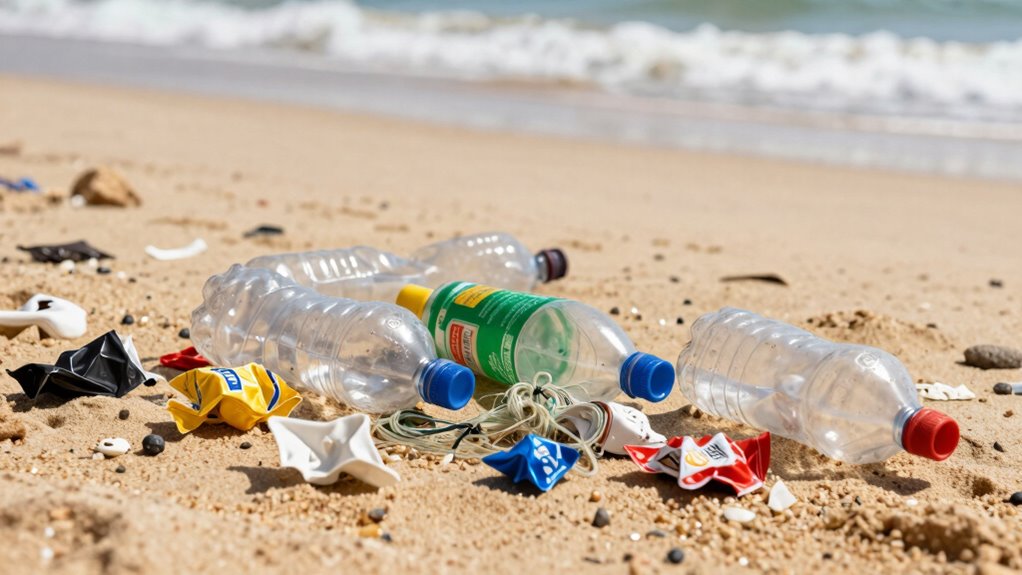
Every time you use disposable items like plastic water bottles, takeaway cups, or plastic utensils during travel, you create hidden waste that adds up quickly. These small conveniences often seem harmless, but they considerably harm the environment by filling landfills and polluting oceans. Many of these items are unnecessary if you choose reusable alternatives. By choosing eco-friendly options, you can reduce waste and help protect the planet. Keep exploring to discover how your travel choices can make a real difference.

Get home appliances delivered free — and shop member deals
- Fast, free delivery on millions of items
- Access to Prime Big Deal Days deals on October 6–7
- Prime Video, Amazon Music and more included
Key Takeaways
- Disposable travel items, though small individually, accumulate into significant environmental waste when used frequently.
- Single-use plastics and packaging often end up in landfills or oceans, harming ecosystems.
- Choosing reusable alternatives reduces waste but is often overlooked during travel planning.
- Many travelers are unaware of local waste management practices that can exacerbate environmental impact.
- Small, conscious choices like refilling bottles and refusing disposables can significantly lower overall waste.
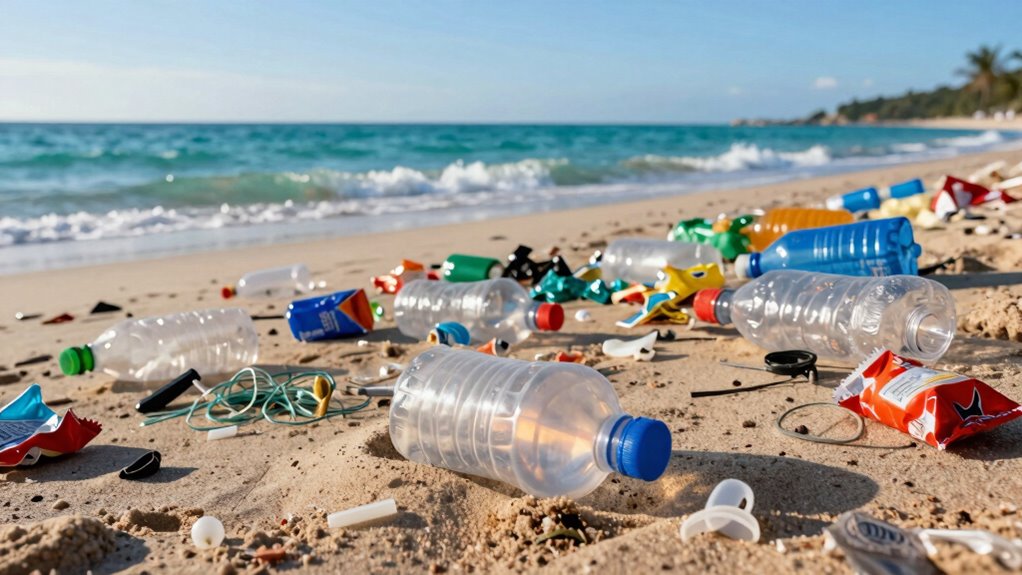
Have you ever stopped to think about how much waste you generate during travel? It’s easy to overlook the clutter of single-use items, but these disposable conveniences add up quickly. From plastic water bottles to takeaway coffee cups, each piece seems small on its own, yet collectively, they create a notable environmental footprint. The truth is, many of these items are unnecessary if you consider eco friendly alternatives and adopt waste reduction strategies. By changing your habits, you can minimize your impact without sacrificing comfort or convenience.
Traveling generates waste; choosing eco-friendly alternatives helps reduce your environmental footprint effortlessly.
One of the simplest ways to reduce waste is to carry reusable items. A durable water bottle, for example, replaces countless plastic bottles that often end up in landfills or oceans. Similarly, a reusable coffee mug can cut down on the millions of disposable cups used daily worldwide. These eco friendly alternatives are widely available, affordable, and effective. They not only cut waste but also often keep your drinks hotter or colder longer. Packing a set of reusable utensils and a cloth napkin can further eliminate the need for plastic cutlery or paper towels, which are often discarded after a single use.
Beyond personal items, it’s smart to plan ahead with waste reduction strategies. For instance, choosing accommodations that promote sustainability or provide refill stations for water helps you avoid unnecessary packaging and waste. When dining out, opt for restaurants that serve food with minimal packaging or encourage the use of your own containers. Being mindful of your consumption habits extends to shopping as well—favoring products with minimal or biodegradable packaging reduces the waste you generate during your trip. Additionally, being aware of local waste management practices and recycling options can help you dispose of waste responsibly and effectively. Incorporating knowledge about waste management can make a significant difference in how effectively waste is handled locally. Educating yourself about proper waste disposal methods and composting options in different destinations can further reduce your environmental impact. Recognizing the importance of waste reduction in travel helps you make more informed decisions that support sustainable tourism.
Traveling with awareness about waste encourages better choices. For example, refusing single-use plastic bags in markets or opting for products made from eco-friendly materials contributes to a more sustainable journey. Many destinations now offer refill stations for water, so taking advantage of these reduces the need for bottled water. Additionally, disposing of waste responsibly—sorting recyclables and compostables—supports local waste management efforts and lessens environmental harm.
Incorporating these simple yet impactful strategies can transform your travel experience. Small adjustments, like packing reusable gear and making mindful purchasing decisions, can considerably decrease your disposable waste footprint. Using reusable materials, such as eco friendly wood products or other sustainable options, further enhances your efforts. By prioritizing eco friendly alternatives and applying waste reduction strategies, you actively participate in protecting the environment. This conscious approach not only benefits the planet but also enriches your travels, making them more sustainable and rewarding. Remember, every small effort counts—your choices can inspire others and help foster a culture of responsible travel.
reusable water bottle for travel
As an affiliate, we earn on qualifying purchases.
As an affiliate, we earn on qualifying purchases.
Frequently Asked Questions
How Can Travelers Identify Truly Eco-Friendly Disposable Products?
To identify truly eco-friendly disposable products, look for labels indicating sustainable packaging and eco-certifications. You should prioritize reusable alternatives whenever possible, reducing waste altogether. Check if the product is made from biodegradable or compostable materials, which break down more easily in the environment. By being mindful of packaging and choosing reusable options, you help minimize your travel footprint and support more sustainable practices.
What Are the Health Impacts of Using Disposable Travel Items?
A stitch in time saves nine, and neglecting disposable travel items can harm your health. Using these items may expose you to chemicals like BPA and phthalates, affecting your personal hygiene and causing allergic reactions or hormonal disruptions. Plus, they contribute to environmental pollution, which can indirectly impact your well-being. Opting for eco-friendly options reduces these risks, ensuring you stay healthy while minimizing your footprint.
Are There Regulations Reducing Disposable Waste in the Travel Industry?
Regulations are starting to address disposable waste, but you should know there are still regulatory loopholes that companies might exploit. Many travel industry players focus on corporate compliance rather than truly reducing waste, so progress can be slow. As a traveler, you can push for change by supporting businesses that prioritize sustainable practices and advocating for stricter rules that close loopholes, ultimately encouraging the industry to cut down on unnecessary disposables.
How Does Disposable Waste Affect Local Communities at Travel Destinations?
You might not realize it, but your disposable waste causes tourism pollution that overwhelms local communities and drains resources like water and energy at an alarming rate. Every plastic bottle or single-use item you discard adds up, leading to polluted beaches, overflowing landfills, and strained local infrastructure. This relentless cycle depletes local resources, harms ecosystems, and diminishes the very charm that drew you there, turning paradise into a fragile, suffering environment.
What Innovative Solutions Are Emerging to Replace Disposable Travel Items?
You’ll notice innovative solutions like biodegradable packaging and reusable alternatives gaining popularity at travel destinations. These options replace single-use items, reducing waste and environmental impact. Travelers are adopting reusable water bottles, coffee cups, and utensils, while businesses are switching to eco-friendly packaging. By choosing these sustainable options, you help minimize disposable waste, support local communities, and promote a greener, more responsible travel experience.
Conclusion
So, next time you toss that plastic cup or flimsy utensil, remember—you’re not just discarding trash, but fueling a global mess with a smile. Convenience might feel like a gift, but it’s really a Trojan horse, sneaking waste into our lives. If you truly value travel’s magic, maybe consider packing a reusable alternative. After all, the real journey should be toward less waste, not just fewer souvenirs—unless you’re into collecting landfills.
Fall Picks
fall essentials
As an affiliate, we earn on qualifying purchases.