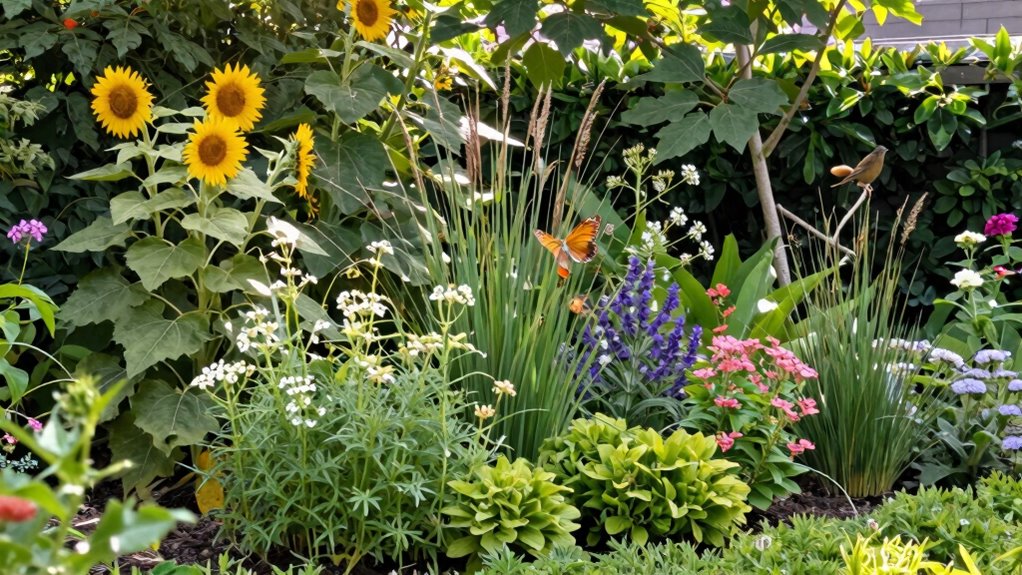

To quickly boost biodiversity in your small garden, start by planting native species that suit your local soil and climate, attracting beneficial insects, birds, and pollinators. Avoid chemical treatments and choose natural pest control methods instead. Incorporate shrubs, trees, and features like birdbaths or small ponds to provide shelter and food. Maintain these habitats with regular care and patience. If you want to discover more ways to transform your garden into a vibrant habitat, keep exploring these tips.
Listen free for 30 days with Audible
Thousands of audiobooks and originals — cancel anytime.
As an affiliate, we earn on qualifying purchases.
Key Takeaways
- Plant a variety of native species to quickly attract diverse pollinators and wildlife.
- Incorporate native shrubs, trees, and structural features for immediate habitat complexity.
- Minimize chemical use to promote natural pest control and support beneficial insects.
- Create continuous flowering by selecting plants that bloom at different times.
- Regularly observe and maintain the garden to adapt and enhance habitat features swiftly.
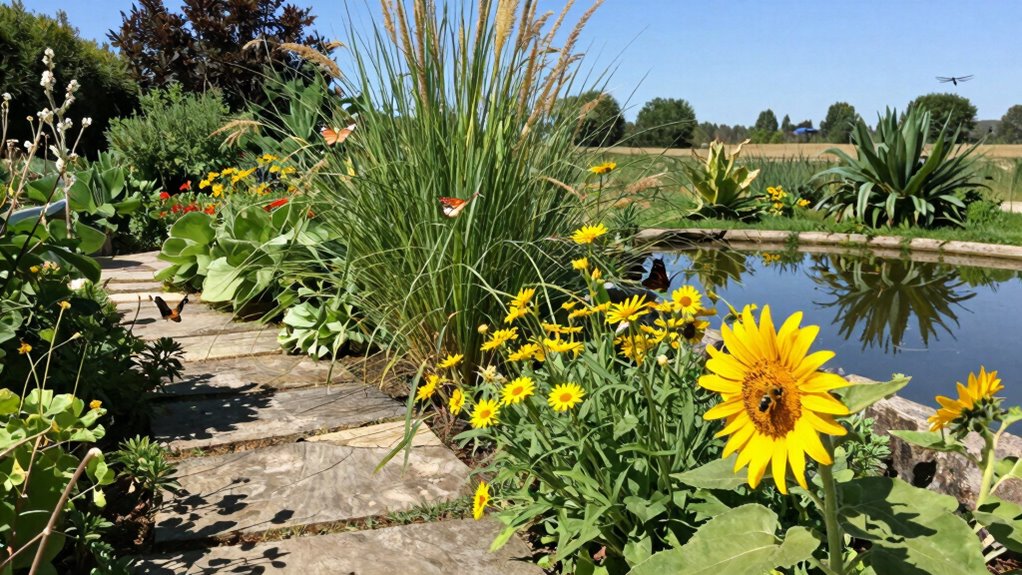
Creating a small garden that supports biodiversity is easier than you might think. By making simple, intentional choices, you can turn a modest outdoor space into a thriving habitat for local wildlife. One of the most effective ways to do this is by planting native plants, which are already adapted to your area’s climate and soil conditions. Native plants attract native insects, birds, and pollinators more effectively than exotic species, helping to sustain local ecosystems. When you incorporate a variety of native plants, you also promote habitat diversity, which is vital for supporting a wide range of species. This diversity creates different microhabitats, from shady spots to sunny patches, offering shelter and resources for various creatures.
Plant native species to create diverse microhabitats and support thriving local wildlife.
To support biodiversity fast, start by observing what naturally grows in your area and choose plants that fit into that environment. Avoid heavily manicured lawns and instead, allow some areas to grow more freely. Incorporating a range of flowering plants that bloom at different times of the year provides continuous food sources for pollinators like bees and butterflies. The more variety you have, the more resilient your garden becomes to pests and diseases, and the better it supports a diverse array of wildlife. You can also add native shrubs and trees, which serve as nesting sites and provide essential food sources for birds and insects. These plants add layers and structure to your garden, further increasing habitat diversity. Incorporating habitat diversity into your garden design encourages a broader range of species to thrive.
In addition to planting native species, consider creating small features that encourage wildlife to settle in. A shallow pond or birdbath can attract amphibians, insects, and birds, while leaving some leaf litter or dead wood offers shelters for insects and small mammals. Minimizing chemical use is equally important; pesticides and herbicides can harm beneficial insects and disrupt the balance of your garden ecosystem. Instead, use natural pest control methods and encourage beneficial insects by planting a variety of native flowers. Supporting native plants is crucial as they are naturally better suited to sustain local wildlife and maintain ecosystem stability native plant benefits.
Maintaining a small garden that supports biodiversity doesn’t require constant effort—just consistent, thoughtful habits. Keep an eye on your plants and wildlife, and be patient. Over time, these small but impactful actions will foster a vibrant, resilient ecosystem. Your garden will become a haven for native pollinators, birds, and other wildlife, all thriving thanks to your commitment to habitat diversity and native plants. With these simple habits, you can make a big difference in supporting biodiversity right in your own backyard.
As an affiliate, we earn on qualifying purchases.
Frequently Asked Questions
How Can I Attract Specific Native Pollinators to My Garden?
To attract native pollinators, you should create native bee habitats by leaving undisturbed soil or installing bee hotels. Plant butterfly host plants that cater to local butterfly species, providing essential food sources and breeding sites. Avoid pesticides, and incorporate a variety of flowering plants that bloom throughout the season. These practices will naturally draw in native bees and butterflies, supporting local biodiversity and ensuring a thriving pollinator community in your garden.
What Are the Best Native Plants for Small Gardens?
Did you know that selecting native plants can boost local biodiversity by 30%? For small gardens, focus on native plant selection that thrives in your climate, such as wildflowers, grasses, and low-growing shrubs. Use garden design tips like grouping plants for visual impact and creating layered habitats. This not only maximizes space but also attracts pollinators, supports native wildlife, and creates a vibrant, sustainable garden.
How Do I Create a Wildlife-Friendly Water Source?
You can create a wildlife-friendly water source by installing a shallow pond or birdbath with natural edges for water filtration. Add stones or plant roots to help filter the water naturally and provide shelter for wildlife. Keep the water fresh and clean by regularly changing it, and include nearby shrubs or logs to offer shelter and resting spots. This setup encourages birds, insects, and amphibians to visit and thrive in your garden.
Are There Eco-Friendly Pest Control Methods for Small Gardens?
Did you know that using eco-friendly pest control methods can reduce chemical runoff by up to 90%? You can try composting techniques to enrich soil naturally, which strengthens plants against pests. Additionally, planting pest-resistant plants like marigolds or lavender helps deter unwanted insects. These methods support biodiversity and keep your garden healthy without harmful chemicals, making your small garden a thriving, eco-friendly habitat.
How Often Should I Plant New Native Species to Support Biodiversity?
You should plant new native species annually or seasonally to maintain garden succession and support biodiversity. Regularly adding native plants guarantees your garden continually offers habitats and food sources for local wildlife. By integrating native planting into your routine, you create a dynamic, evolving ecosystem that attracts pollinators and other beneficial creatures. Keep observing your garden’s needs, and adapt your planting schedule to sustain a thriving, diverse environment year-round.
Conclusion
By embracing these small garden habits, you become a silent guardian of nature’s delicate dance. Each flower you plant, each leaf you leave untouched, is like a brushstroke in a vibrant masterpiece—one that supports bees, butterflies, and birds. Your garden transforms into a sanctuary, a haven where life thrives unseen but deeply felt. Remember, even the tiniest change can ripple outward, shaping a world where biodiversity blossoms as naturally as sunlight through leaves.
Flea & tick season Picks
flea and tick prevention
As an affiliate, we earn on qualifying purchases.