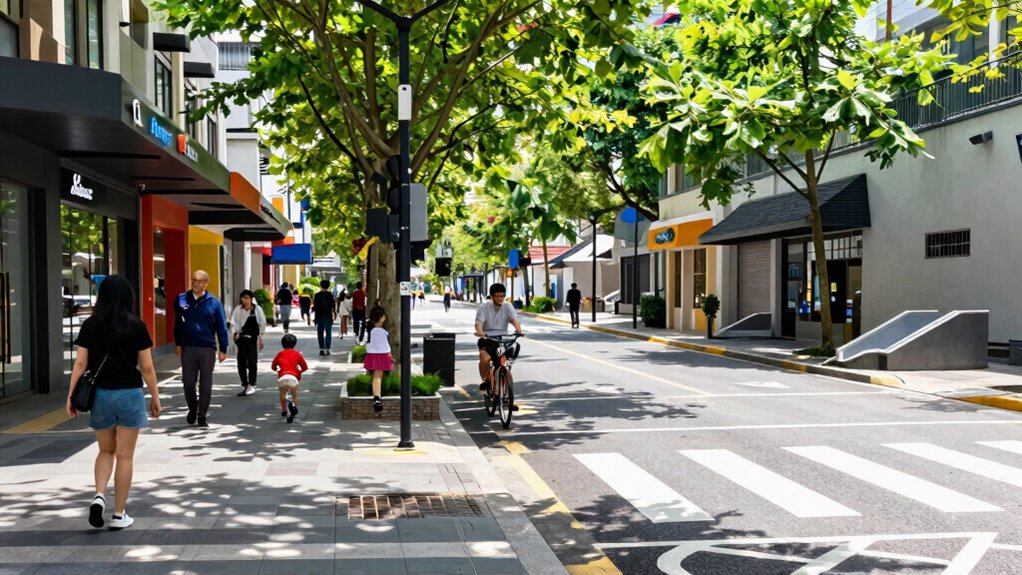

To build a more walkable life wherever you live, start by choosing neighborhoods with good sidewalks, crosswalks, and traffic calming measures. Support local businesses and encourage community efforts to improve pedestrian safety. Use crosswalks properly, stay alert, and make eye contact with drivers. Advocate for better pedestrian infrastructure and participate in local initiatives. By making simple changes and supporting walkability, you can enjoy safer, healthier, and more connected surroundings—discover how you can make a bigger impact with the right strategies.

Get home appliances delivered free with Prime
- Fast, free delivery on millions of items
- Prime Video, Amazon Music and more included
- Member-only deals all year
Key Takeaways
- Advocate for and support local infrastructure improvements like sidewalks, crosswalks, and pedestrian zones in your community.
- Choose to walk for errands, recreation, and social visits whenever possible to prioritize pedestrian activity.
- Stay alert, use crosswalks properly, and make eye contact with drivers to enhance personal safety while walking.
- Participate in community-led initiatives promoting pedestrian safety and walkable urban design.
- Support local businesses along walking routes to encourage vibrant, walkable neighborhoods.
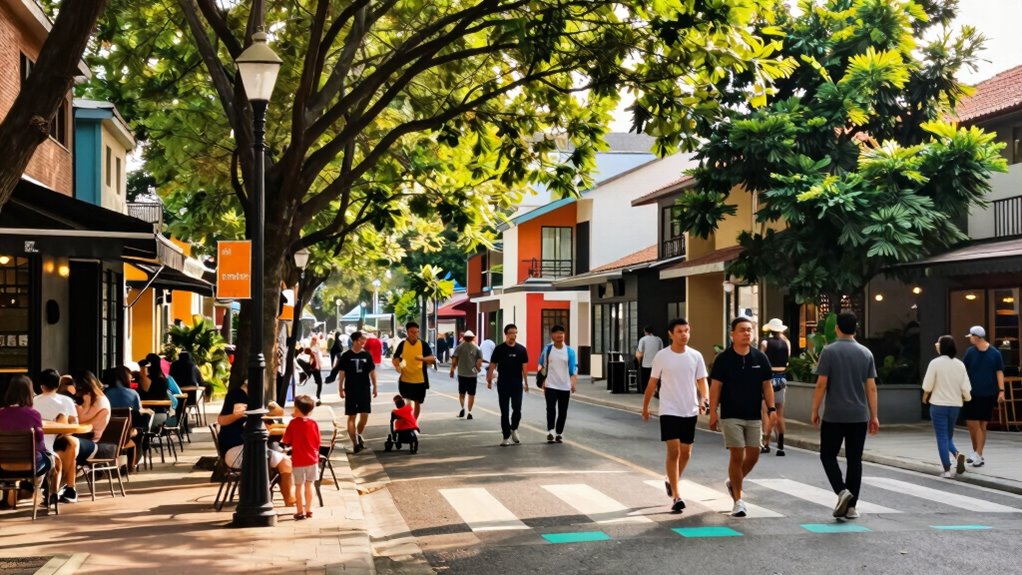
Living a more walkable life is within your reach, and it can considerably boost your health, reduce your carbon footprint, and help you enjoy your community more. The foundation of a walkable environment starts with thoughtful urban planning, which shapes the way streets, sidewalks, and public spaces are designed. When cities prioritize pedestrian-friendly infrastructure, you’ll find it easier and safer to get around on foot. Look for neighborhoods with well-maintained sidewalks, clearly marked crosswalks, curb ramps, and traffic calming measures, all of which contribute to pedestrian safety. These features encourage walking by making it less intimidating to cross streets and navigate your surroundings.
Prioritize neighborhoods with sidewalks, crosswalks, and traffic calming for safer, easier walking experiences.
You can also advocate for urban planning that emphasizes mixed-use development, where residential areas are close to shops, parks, and public transit. This reduces the need for cars and makes walking a convenient, viable option for daily errands and social trips. When your community invests in compact, walkable neighborhoods, you naturally find yourself walking more without even thinking about it. It’s about creating a sense of connectivity that invites residents to explore on foot, rather than relying solely on vehicles. Supporting pedestrian safety efforts, such as community-led initiatives and advocacy, can further strengthen walkability. Additionally, understanding the importance of urban design principles can help you better appreciate how physical layouts influence walking habits. Recognizing the role of walkable infrastructure can also inspire more targeted improvements in your community.
Pedestrian safety plays a pivotal role in building a walkable life. When streets are designed with safety in mind, you’re more likely to feel comfortable walking, especially during different times of the day. This means paying attention to street lighting, traffic signals, and pedestrian zones. You can also participate in community efforts to improve pedestrian safety by encouraging local authorities to add safety features like pedestrian islands, signage, or speed bumps. Making sure drivers are aware of pedestrian crossings and that they respect designated walkways creates a safer environment for everyone.
Furthermore, improving traffic calming measures in neighborhoods can significantly reduce vehicle speeds and enhance pedestrian safety, encouraging more walking. Creating awareness about urban planning and how it influences walkability can empower residents to advocate for change and support safer environments. Beyond infrastructure, your personal habits make a difference. Choose to walk whenever possible, whether it’s to the nearby grocery store, park, or your friend’s house. Use crosswalks properly, stay alert, and make eye contact with drivers when crossing intersections. Supporting local businesses along your walking routes not only benefits your community’s economy but also encourages more foot traffic, which can lead to further improvements in pedestrian infrastructure.
Ultimately, building a more walkable life involves a combination of community advocacy, smart urban planning, and personal commitment. When your environment is designed with pedestrian safety in mind, and you actively choose to walk more, you’re contributing to a healthier, more sustainable, and more connected community. Walking becomes not just a means of getting around but a way to enjoy your neighborhood more fully, making every step a positive step forward.
As an affiliate, we earn on qualifying purchases.
Frequently Asked Questions
How Do I Start Advocating for Walkability in My Community?
You start advocating for walkability by engaging with your community through meetings, social media, and local events to raise awareness. Focus on community engagement by gathering support and listening to residents’ needs. Push for policy advocacy by contacting local officials, proposing walk-friendly projects, and attending town hall meetings. Your active involvement can influence decision-makers, creating safer, more walkable neighborhoods that benefit everyone.
What Safety Tips Should I Follow When Walking Regularly?
Think of walking as your daily dance with the city; stay alert like a vigilant guardian. Always look out for pedestrian safety signs and crosswalk signals. Wear bright or reflective clothing to shine like a lighthouse in low light. Stick to sidewalks that are well-maintained; avoid cracks and uneven surfaces that could trip you. Keep aware of your surroundings, and walk confidently—your safety is the rhythm guiding your steps.
How Can I Encourage Neighbors to Walk More Often?
You can encourage neighbors to walk more often by organizing neighborhood events like group walks or community cleanups that promote pedestrian activity. Advocate for improvements in pedestrian infrastructure, such as better sidewalks and crosswalks, to make walking safer and more inviting. Share the benefits of walking, like health and social connections, and create a welcoming atmosphere that motivates everyone to step outside and enjoy their surroundings regularly.
Are There Specific Apps to Track Walking Progress?
Yes, there are many apps for fitness tracking that help you monitor your walking progress. Popular options like Strava, Fitbit, and MapMyWalk offer features to track distance, steps, and calories burned. These apps also promote pedestrian safety by providing route mapping and alerts. Using them encourages you to walk more regularly, stay motivated, and make sure you’re walking safely in your neighborhood or local parks.
How Does Walkability Impact Property Values?
Walkability greatly boosts property values because urban infrastructure and zoning policies favor pedestrian-friendly areas. When a neighborhood has well-maintained sidewalks, parks, and accessible amenities, it attracts buyers who value convenience and safety. These improvements make properties more desirable, increasing demand and prices. Cities that prioritize walkability through thoughtful zoning policies create vibrant communities, which directly enhance property values and overall neighborhood appeal.
Conclusion
By making small changes—like choosing to walk to nearby errands—you can transform your daily routine into a more active, connected experience. Imagine moving to a neighborhood where everything you need is within a short walk—your mornings become healthier, and you discover new local spots. These simple shifts not only boost your well-being but also foster a stronger sense of community. Start small, stay consistent, and watch how a walkable life enriches every aspect of your day.
Columbus Day / Indigenous Peoples' Day Picks
long weekend sales
As an affiliate, we earn on qualifying purchases.