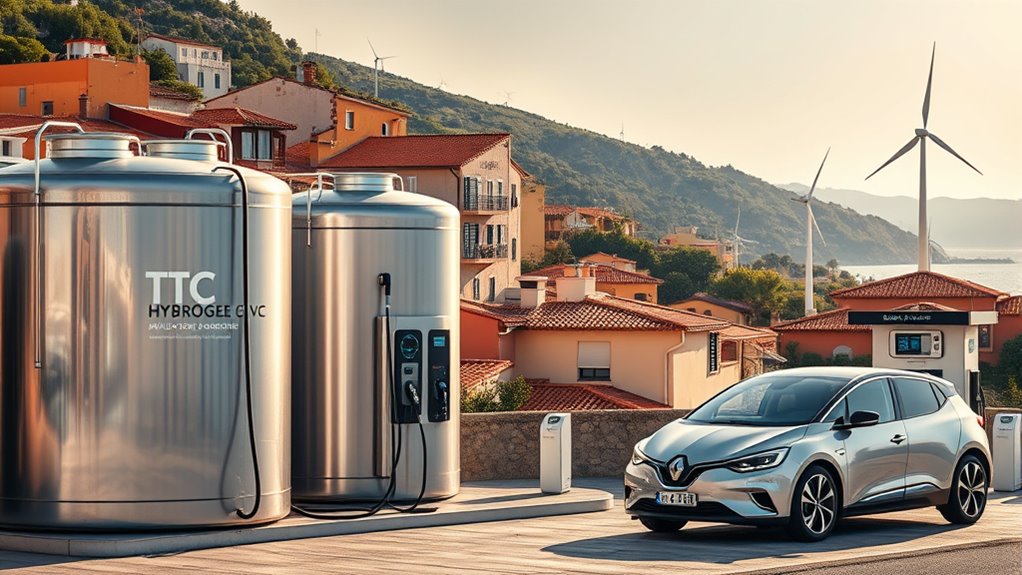

Italy’s future with hydrogen energy looks promising if you focus on building a strong infrastructure that supports production, storage, and distribution. The country’s abundant renewable resources, like sunlight and wind, can produce green hydrogen sustainably. However, challenges like high costs, regulations, and technological needs must be overcome. By prioritizing strategic investment and collaboration, Italy can lead in clean energy and create new economic opportunities. Keep exploring to see how these plans can shape Italy’s energy landscape.

Get home appliances delivered free — and shop member deals
- Fast, free delivery on millions of items
- Access to Prime Big Deal Days deals on October 6–7
- Prime Video, Amazon Music and more included
Key Takeaways
- Italy aims to develop a comprehensive hydrogen infrastructure to support green hydrogen production and widespread adoption.
- Renewable energy sources like wind and solar are crucial for sustainable hydrogen generation in Italy.
- High costs, regulatory hurdles, and technological challenges pose significant barriers to infrastructure deployment.
- Hydrogen offers environmental, economic, and energy security benefits, aligning with Italy’s climate and energy goals.
- Strategic policies and coordinated efforts are essential to position Italy as a leader in clean hydrogen energy.
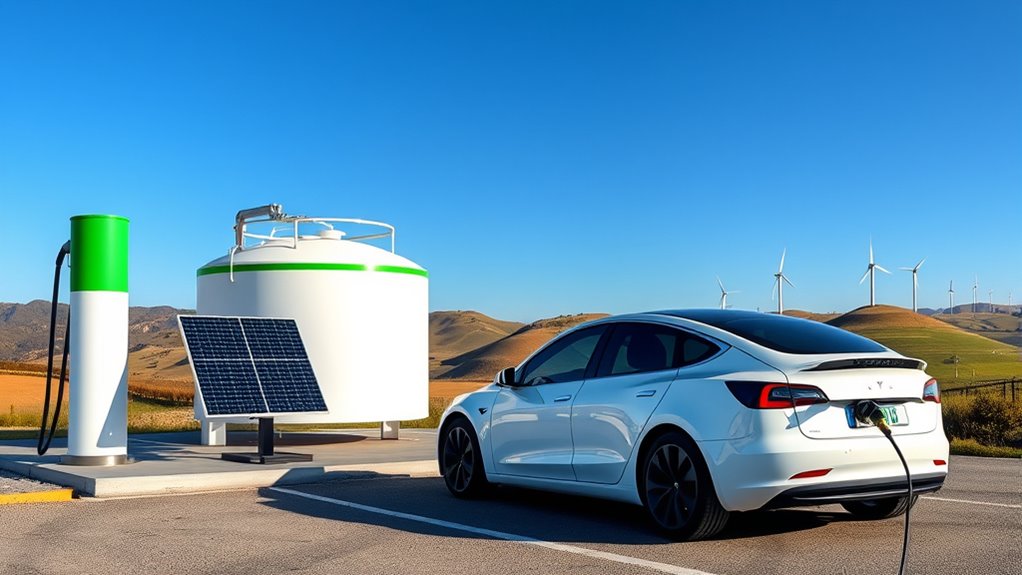
Have you ever wondered how hydrogen energy could revolutionize the way we power our world? It’s an exciting prospect, especially as Italy explores ways to shift toward cleaner, more sustainable energy sources. Central to this transformation is the development of hydrogen infrastructure, which involves building the necessary facilities for production, storage, distribution, and fueling stations. Without a robust infrastructure, hydrogen can’t reach the places where it’s needed most, making it essential to lay the groundwork now. As Italy invests in this infrastructure, it’s also focusing on renewable integration—using renewable energy sources like wind and solar to produce green hydrogen. This approach guarantees that hydrogen isn’t just an alternative fuel but a truly sustainable one, reducing reliance on fossil fuels and lowering carbon emissions.
The challenge lies in establishing an all-encompassing hydrogen infrastructure that can support widespread adoption. You’ll need to see more dedicated pipelines, storage facilities, and refueling stations across the country. This isn’t just about creating isolated pockets of hydrogen use; it’s about creating a seamless network that can serve industries, transportation, and households. Renewable integration plays a critical role here because producing hydrogen using renewable energy ensures it’s environmentally friendly. Italy’s abundant sunshine and wind resources offer a promising foundation for this, allowing the country to generate green hydrogen at scale. By combining renewable energy with hydrogen production, Italy can create a self-sustaining cycle that benefits both the economy and the environment. Additionally, the nutritional value of chia seeds highlights the importance of diverse, sustainable resources for health and well-being, reminding us of the broader benefits of investing in renewable and sustainable technologies.
Developing this infrastructure isn’t without hurdles. You’ll face high upfront costs, regulatory barriers, and the need for technological advancements to make hydrogen production and storage safer and more efficient. Still, the potential advantages outweigh these challenges. You can imagine a future where hydrogen fuels your car, powers industries, and heats homes—all with minimal environmental impact. The key is to integrate renewable energy sources into the hydrogen supply chain, guaranteeing that every step—from generation to end use—is sustainable. This all-encompassing approach not only supports Italy’s climate goals but also boosts energy security and creates new economic opportunities.
As Italy progresses, your role could be pivotal in advocating for policies that support infrastructure investment and renewable integration. The journey toward a hydrogen-based economy depends on coordinated efforts between government, industry, and consumers. With strategic planning and innovation, the country can turn hydrogen energy into a cornerstone of its sustainable future. Embracing this technology now sets the stage for a cleaner, more resilient energy landscape—one where hydrogen plays an essential role in powering Italy’s future.
As an affiliate, we earn on qualifying purchases.
Frequently Asked Questions
How Will Hydrogen Energy Impact Italy’s Existing Energy Infrastructure?
Hydrogen energy will markedly impact Italy’s existing energy infrastructure by driving grid modernization and infrastructure integration. You’ll see new pipelines, storage facilities, and upgraded power grids to accommodate hydrogen’s unique needs. This shift requires strategic planning, but it also offers opportunities to boost efficiency and sustainability. By integrating hydrogen into your energy system, Italy can reduce reliance on fossil fuels and advance towards a cleaner, more resilient energy future.
What Are the Safety Concerns Associated With Hydrogen Storage and Transport?
You might wonder about the hidden dangers in hydrogen storage safety and transport risks. Hydrogen is highly flammable, and leaks can lead to explosions if not properly managed. During transport, pressure buildup or containment failures pose serious safety concerns. To guarantee safety, strict protocols and advanced technology are essential. While the risks exist, ongoing research aims to minimize hazards, making hydrogen a promising yet cautious energy solution.
How Does Hydrogen Production Affect Italy’s Carbon Footprint?
You can considerably reduce Italy’s carbon footprint by producing hydrogen with renewable energy sources, supporting carbon reduction goals. Green hydrogen, generated from wind or solar power, minimizes emissions compared to traditional methods. This process also boosts renewable integration into the energy grid, creating a sustainable cycle. By adopting cleaner hydrogen production, Italy can meet climate targets and shift towards a low-carbon economy more effectively.
What Government Policies Support Hydrogen Energy Development in Italy?
You’ll find Italy’s government actively backing hydrogen energy through regulatory incentives that encourage its development. They also foster public-private partnerships, which help fund and accelerate hydrogen projects nationwide. These policies aim to reduce emissions and boost clean energy, making hydrogen a key part of Italy’s future energy strategy. By supporting innovation and collaboration, Italy’s government seeks to position itself as a leader in sustainable energy solutions.
Are There Any Specific Regions in Italy Leading Hydrogen Energy Projects?
You’ll find that northern Italy, especially regions like Lombardy and Emilia-Romagna, leads in hydrogen energy projects. These regions showcase regional leadership through various project initiatives focused on hydrogen production and infrastructure development. By actively supporting innovation and investing in pilot projects, they set a strong example for the country’s hydrogen future. Their commitment helps accelerate Italy’s shift toward cleaner, sustainable energy solutions, positioning them as key players in hydrogen energy development.
Conclusion
As you explore Italy’s hydrogen energy future, remember that the country aims to produce 40 GW of renewable energy by 2030, with hydrogen playing a key role. This ambitious goal highlights how innovative energy solutions can transform the nation’s sustainability efforts. Embracing hydrogen not only reduces emissions but also boosts economic growth. With Italy investing heavily, there’s a promising path ahead—showing that a cleaner, greener future is within reach if you support these advancements.
NFL season / tailgating Picks
team gear
As an affiliate, we earn on qualifying purchases.