
Reverse osmosis filters improve water taste by effectively removing impurities like chlorine, organic compounds, and contaminants that can cause bitterness or metallic notes. They deliver cleaner, crisper water with a balanced flavor. However, they produce wastewater that can harm the environment if not managed properly. If you’re curious about how to soften this impact while enjoying better-tasting water, you’ll find useful insights as you explore further.
Key Takeaways
- Reverse osmosis (RO) filters improve water taste by removing impurities, chemicals, and organic compounds that cause bitterness and metallic notes.
- RO systems strip out minerals like calcium and magnesium, which can affect flavor, but remineralization filters can restore taste and health benefits.
- While RO enhances purity and safety, it produces wastewater—typically 3-4 gallons per purified gallon—raising environmental concerns.
- Advances in water-saving technology, such as permeate pumps and multi-stage filtration, reduce wastewater without compromising water quality.
- Proper wastewater management and disposal are essential to prevent environmental contamination and support sustainable use.
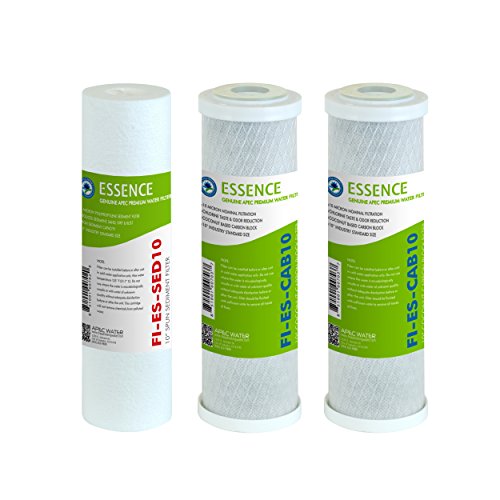
APEC Water Systems FILTER-SET-ES High Capacity Replacement Pre-Filter Set For Essence Series Reverse Osmosis Water Filter System Stage 1-3
APEC Water ESSENCE Series FILTER-SET-ES is for ROES-50, ROES–PH75, and ROES-UV75.
As an affiliate, we earn on qualifying purchases.
As an affiliate, we earn on qualifying purchases.
How Do Reverse Osmosis Filters Improve Water Taste?
Reverse osmosis filters considerably enhance water taste by effectively removing impurities and contaminants that can cause unpleasant flavors. This process eliminates substances like chlorine, chloramine, and organic compounds, leading to a cleaner, more invigorating taste. While many assume all minerals are removed, high-quality RO systems are designed to retain essential minerals that contribute to flavor enhancement, giving your water a balanced, natural taste. Removing harsh chemicals and impurities reduces bitterness and metallic notes, making your drinking water more enjoyable. The filtration process not only improves clarity but also boosts overall flavor quality. By carefully balancing impurity removal and mineral retention, reverse osmosis systems deliver water that tastes pure, crisp, and satisfying—perfect for everyday hydration. Additionally, understanding the filtration process can help you choose the best system for your needs. Proper maintenance and monitoring of the water quality are essential to ensure continued taste improvement and system efficiency. Regularly checking the system components ensures optimal performance and consistent water taste. A comprehensive understanding of water chemistry can further optimize your system’s setup for the best flavor outcome.

iSpring RCC7AK, NSF Certified, 75 GPD, Alkaline 6-Stage Reverse Osmosis System, pH+ Remineralization RO Water Filter System Under Sink, Patented Top-Mounted Faucet Design for Easy Installation
PATENTED DESIGN – The top-mounted fastener allows for easy countertop installation entirely from above, eliminating the hassle of…
As an affiliate, we earn on qualifying purchases.
As an affiliate, we earn on qualifying purchases.
How Efficient Are RO Systems Compared to Other Purification Methods?
When comparing RO systems to other purification methods, you’ll notice they provide high water purity levels, often removing more contaminants. However, they tend to consume more energy and produce more wastewater than alternatives like UV or carbon filters. Understanding these differences helps you choose the most efficient system for your needs. Additionally, considering simple, room-by-room solutions can help you maintain a well-organized, efficient home water system without unnecessary complexity. Moreover, being aware of the wastewater production associated with RO systems enables you to make more environmentally conscious decisions. For example, advancements in energy-efficient membranes are helping reduce the overall energy footprint of these systems. Integrating smart monitoring features can further optimize performance and reduce waste.
Water Purity Levels
Compared to other purification methods, reverse osmosis (RO) systems are highly effective at removing a wide range of contaminants, resulting in superior water purity. They markedly reduce bacteria, viruses, heavy metals, and chemicals, delivering cleaner, safer water. While RO systems excel in contaminant removal, they can impact pH balance and mineral retention. You might notice your water becomes slightly more acidic, which can be adjusted with post-treatment options. Unlike simple filters, RO systems strip out minerals like calcium and magnesium, which are essential for taste and health. To maintain water quality, consider remineralization filters if mineral retention is important for you. Overall, RO systems provide a higher degree of purity, making your water taste better and safer to drink.
Energy Consumption Rates
While energy efficiency varies, RO systems are generally more power-intensive, but their high purity may justify the energy cost. Additionally, advances in energy-efficient technology are helping to reduce their environmental impact. The long-term operational costs of RO units should also be considered when evaluating their overall efficiency and sustainability. Considerations such as Environmental impact are important when evaluating water purification options. For example, the Youngster Choice has become a benchmark for discussing sustainable practices and energy consumption in various industries.
Wastewater Production
Ever wonder how efficiently reverse osmosis systems handle wastewater compared to other purification methods? RO systems typically produce more wastewater than alternatives, especially in household usage. In industrial applications, this inefficiency can be more pronounced due to larger volumes and stricter purity standards. However, their ability to remove contaminants is unmatched. When comparing wastewater output:
- Household RO units often waste 3-4 gallons for every gallon of purified water
- Some advanced systems incorporate water-saving features to reduce waste
- Alternative methods like UV or activated carbon filters generate little to no wastewater but may not match RO’s purity levels
- Efficiency improvements are continually being developed to reduce wastewater production in RO systems. These innovations include wastewater reduction techniques that aim to improve overall system efficiency and sustainability.
While RO’s wastewater production is higher, ongoing innovations aim to improve efficiency, making it a viable option for both home and industrial needs.
iSpring RCC7AK, NSF Certified, 75 GPD, Alkaline 6-Stage Reverse Osmosis System, pH+ Remineralization RO Water Filter System Under Sink, Patented Top-Mounted Faucet Design for Easy Installation
PATENTED DESIGN – The top-mounted fastener allows for easy countertop installation entirely from above, eliminating the hassle of…
As an affiliate, we earn on qualifying purchases.
As an affiliate, we earn on qualifying purchases.
What Are the Environmental Impacts of RO Wastewater?

You should consider how much water RO systems waste and the potential for environmental contamination from improper disposal. The volume of wastewater can impact local ecosystems if not managed carefully, and risks increase if pollutants are present. Recycling and disposal methods play a vital role in minimizing these environmental impacts and protecting your surroundings. Proper wastewater management practices are essential to reduce the ecological footprint of RO systems. Additionally, understanding the glyceric acid benefits for skin can inform sustainable practices for water treatment by minimizing chemical pollutants. Incorporating environmentally friendly disposal techniques can further decrease potential harm to the environment. Awareness of water conservation strategies can help reduce overall wastewater generation and support ecological health. Considering sustainable water practices can contribute significantly to environmental preservation and resource efficiency.
Water Waste Volume
Reverse osmosis (RO) systems generate a significant amount of wastewater during the filtration process, often referred to as brine or concentrate. This waste volume impacts both your water conservation efforts and the environment. Because of the filtration efficiency, only a portion of the input water becomes purified, while the rest is discarded. This wastewater often contains minerals that the system retains, which can affect the overall mineral retention and water quality. Proper management of wastewater can help mitigate environmental impacts and improve system efficiency. Additionally, selecting the right body jewelry materials can influence the mineral content and water quality, especially in systems designed for sensitive water sources.
To better understand, consider:
- The amount of wastewater varies depending on system design and source water quality.
- High mineral retention might lead to increased wastewater volume.
- Improving filtration efficiency can reduce waste but may require more advanced systems.
Reducing water waste volume helps conserve resources and minimizes environmental impact.
Environmental Contamination Risks
While reverse osmosis wastewater helps remove contaminants from your drinking water, it can also pose environmental risks if not managed properly. If discharged improperly, it may lead to contamination of local soil and water sources, harming ecosystems. Effective contamination prevention involves careful handling and treatment of wastewater to ensure pollutants are safely removed before disposal. Because RO systems concentrate pollutants like heavy metals, pesticides, and salts in the wastewater, improper disposal can introduce these pollutants into the environment. To minimize risks, you should consider strategies that limit pollutant runoff and promote responsible wastewater management. Proper pollutant removal is essential not only for maintaining water quality but also for protecting the health of surrounding ecosystems from potential contamination. Additionally, understanding the wastewater management techniques can help mitigate environmental impacts effectively. Implementing sustainable disposal practices can further reduce the ecological footprint of the process. For example, using advanced filtration methods can help ensure contaminants are fully removed before disposal, reducing environmental harm. Incorporating environmentally friendly treatment options can also improve the safety and sustainability of wastewater disposal processes. Furthermore, adopting innovative cleanup methods can enhance the overall effectiveness of pollution control efforts.
Recycling and Disposal Methods
Recycling and disposing of reverse osmosis (RO) wastewater requires careful consideration because improper methods can have significant environmental impacts. To minimize harm, you can explore sustainable disposal options such as using the wastewater for household reuse, like watering plants or outdoor cleaning. Proper disposal helps reduce water waste and prevents pollutants from entering local waterways.
Some ways to manage RO wastewater responsibly include:
- Redirecting it to garden irrigation for plant health
- Using it for outdoor cleaning tasks
- Consulting local regulations for safe disposal practices
iSpring RCC7AK, NSF Certified, 75 GPD, Alkaline 6-Stage Reverse Osmosis System, pH+ Remineralization RO Water Filter System Under Sink, Patented Top-Mounted Faucet Design for Easy Installation
PATENTED DESIGN – The top-mounted fastener allows for easy countertop installation entirely from above, eliminating the hassle of…
As an affiliate, we earn on qualifying purchases.
As an affiliate, we earn on qualifying purchases.
Can You Reduce Wastewater Without Sacrificing Water Quality?
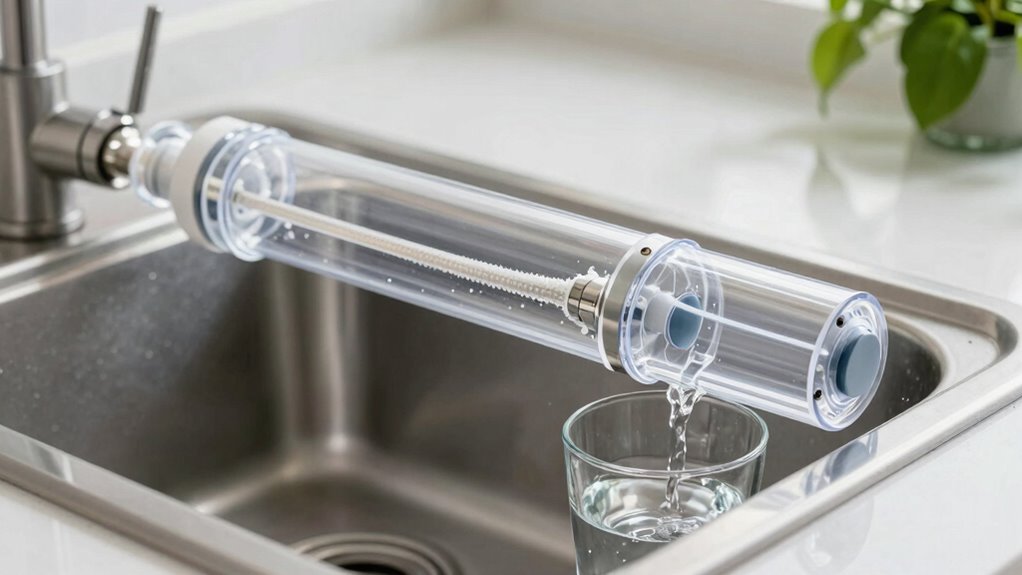
Reducing wastewater without compromising water quality is a challenging goal, but advances in filtration technology make it possible. Modern reverse osmosis systems focus on improving filtration efficiency, allowing you to maximize water conservation. Some units incorporate features like permeate pumps or multi-stage filters that reduce the amount of wastewater produced. By optimizing system design, you can decrease the volume of wastewater while still removing contaminants effectively. Regular maintenance and choosing a system with high recovery rates help ensure you don’t sacrifice water quality. With these innovations, it’s easier than ever to strike a balance between reducing wastewater and maintaining pure, safe drinking water. The key is selecting the right system and using it efficiently to achieve both sustainability and water quality goals.
What Are Key Factors When Choosing an RO System?

When choosing an RO system, understanding the key factors that influence performance and suitability is essential. First, consider system maintenance; regular filter changes and sanitization guarantee consistent water quality. Second, evaluate installation considerations, like space requirements and connection compatibility with your plumbing. Third, look at system capacity to match your water usage needs, avoiding over- or under-sizing. Additionally, check for features like ease of filter replacement and whether the unit includes necessary components. Keep in mind that a well-maintained system reduces waste and prolongs lifespan. Understanding these factors helps you select an RO system that balances efficiency, convenience, and water quality, making your upgrade worthwhile while minimizing ongoing hassle.
Is Better Water Taste Worth the Environmental Cost?

While improved water taste is a clear benefit of using reverse osmosis filters, it’s important to contemplate the environmental impact of their production and operation. The process can waste significant water and require energy-intensive filtration, raising concerns about sustainability. You might ask if the taste improvement justifies these costs. To help evaluate, consider this:
| Environmental Impact | Taste Improvement |
|---|---|
| High water waste | Clearer, fresher flavor |
| Energy consumption | Removes contaminants |
| Filter replacement | Better drinking experience |
| Production footprint | Reduced mineral content |
| Disposal concerns | Increased satisfaction |
Balancing taste benefits against environmental costs involves weighing cleaner water against resource use. Deciding if the taste upgrade is worth the environmental impact depends on your priorities and values.
Frequently Asked Questions
How Long Do Reverse Osmosis Filters Typically Last Before Replacement?
You should replace your reverse osmosis filters every 6 to 12 months, depending on your water quality and usage. The filter lifespan varies, so it’s vital to follow your system’s replacement schedule to sustain ideal water taste and purity. Regularly checking your filters ensures you catch any clogs or wear early, preventing contamination and keeping your drinking water fresh and clean.
Can RO Systems Remove Beneficial Minerals From Water?
Yes, reverse osmosis systems can remove beneficial minerals from water, leading to mineral retention concerns. To address this, many users opt for water remineralization filters that add essential minerals back into the water, improving taste and health benefits. This way, you enjoy clean, great-tasting water without sacrificing crucial minerals, ensuring your drinking water remains both pure and nourishing.
Are There Health Risks Associated With Wastewater Discharge?
Wastewater discharge from reverse osmosis systems generally doesn’t pose significant health risks if it meets regulatory standards. However, improper disposal can impact the environment, affecting local ecosystems and water quality. You should guarantee your system complies with environmental regulations to minimize negative impacts. Regular maintenance and responsible disposal help protect both your health and the environment, reducing potential risks associated with wastewater discharge.
How Much Does an Average Residential RO System Cost?
You can expect to pay around $200 to $500 for an average residential reverse osmosis (RO) system. This cost typically includes installation, but consider potential system upgrades, like additional filtration stages, which can increase expenses. Keep in mind that installation costs vary based on your home’s plumbing, and investing in upgrades can improve water quality and system longevity, making the overall investment worthwhile.
What Maintenance Steps Are Necessary to Ensure Optimal RO Performance?
Think of your RO system as a finely-tuned orchestra that needs regular tuning. You should replace filters before their lifespan ends, usually every 6-12 months, to maintain mineral removal and peak performance. Clean the storage tank and check for leaks monthly. Flushing the system annually keeps it running smoothly, ensuring your water tastes fresh and pure. Proper maintenance keeps your system singing in perfect harmony.
Conclusion
Choosing a reverse osmosis system is like planting a garden—you’ll enjoy the vibrant, fresh flavors of your water, but you’ll also need to manage the watering. While the taste upgrade is worth savoring, be mindful of the wastewater it produces. By balancing your water quality goals with eco-friendly practices, you can create a harmonious flow—turning your home water into a crystal-clear stream that benefits both you and the planet.