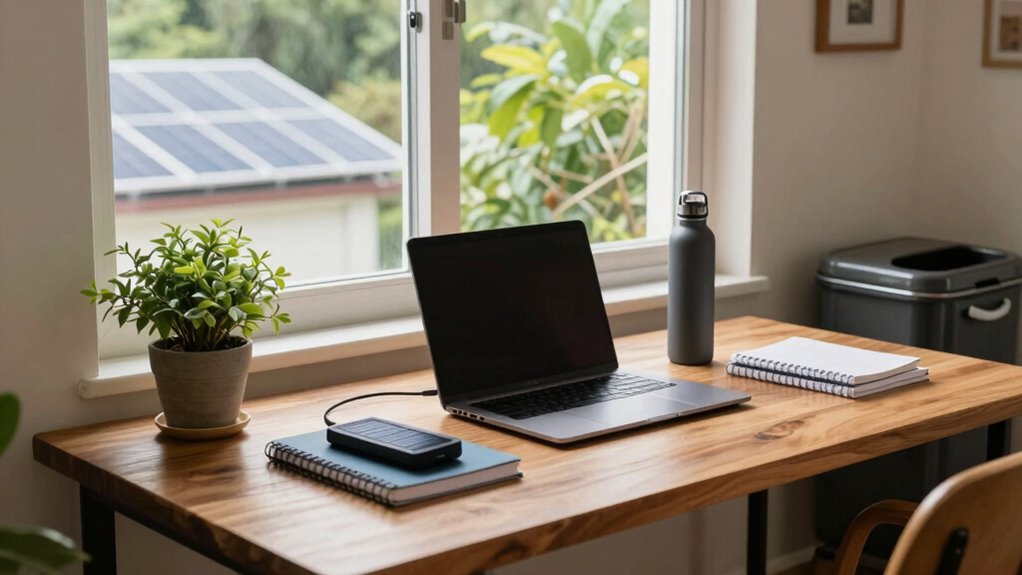

When hosting at home sustainably, focus on managing energy, waste, and resources mindfully. Use reusable tableware, compost food scraps, and encourage guests to recycle. Consider switching to renewable energy options like solar if possible. Share eco-friendly tips with your guests and set a positive example. Small changes can make a big difference over time. If you’re interested in creating an eco-conscious gathering, there’s more to discover about making a lasting impact.

Get home appliances delivered free with Prime
- Fast, free delivery on millions of items
- Prime Video, Amazon Music and more included
- Member-only deals all year
Key Takeaways
- Incorporate renewable energy sources or plans to power your home during gatherings.
- Minimize waste by using reusable tableware, serving in bulk, and providing recycling and compost bins.
- Educate guests on eco-friendly practices to encourage mindful resource use.
- Make small behavioral adjustments, such as conserving energy and reducing packaging waste.
- Lead by example to foster sustainable habits and create an eco-conscious hosting environment.

Hosting guests at home can be enjoyable, but it also impacts the environment more than you might realize. Every extra person in your house increases energy consumption, waste production, and resource use. If you want to host sustainably, it’s essential to think about how your choices affect the planet. One of the most effective ways to do this is by considering your energy sources. Switching to renewable energy, such as solar or wind power, can markedly reduce your carbon footprint. Even if you can’t install solar panels, you can opt for green energy plans through your utility provider. This guarantees that the electricity powering your home, especially during gatherings, comes from cleaner sources. During your events, remind yourself to turn off unused appliances and lights to conserve energy. Small adjustments like these can make a big difference over time.
Waste management is another critical aspect of sustainable hosting. When hosting guests, you’ll likely generate more waste—empty bottles, food scraps, paper napkins, and packaging. To minimize your environmental impact, plan ahead by providing clearly labeled recycling and compost bins. Encourage your guests to use them and be mindful of what they throw away. Opt for reusable tableware, cloth napkins, and glass bottles instead of single-use plastics. Not only does this reduce waste, but it also creates a more elegant and eco-friendly atmosphere. Additionally, consider serving food that produces less waste, such as bulk items or dishes that can be made in advance to avoid excess packaging. Composting food scraps is another effective way to manage waste, especially if you have a garden or outdoor space. Incorporating renewable energy solutions into your home setup can further enhance your efforts toward sustainability. Being aware of environmentally friendly practices can help you make better choices during your events. Educating your guests about your eco-friendly choices can foster a greater understanding of sustainable living and motivate them to make greener decisions themselves. Making sustainable choices during hosting also encourages a mindful approach to resource use, which can lead to lasting habits that benefit the environment in the long run.
Incorporating these practices into your hosting routine demonstrates your commitment to sustainability. Educate your guests about your efforts—sometimes, simply sharing your choices can inspire others to rethink their habits. You don’t need to overhaul your entire lifestyle overnight; small, consistent adjustments add up. Use energy-efficient appliances, choose eco-friendly products, and prioritize waste reduction strategies. It’s also helpful to stay informed about emerging sustainable technologies that can further reduce your environmental impact. Over time, these habits will not only lessen your environmental impact but also set a positive example for your friends and family. Hosting sustainably isn’t just about reducing harm; it’s about creating an environment where everyone feels good about celebrating together while respecting the planet. By integrating renewable energy solutions and effective waste management, you make your home a place of mindful hospitality that benefits both your guests and the Earth.
reusable eco-friendly tableware set
As an affiliate, we earn on qualifying purchases.
As an affiliate, we earn on qualifying purchases.
Frequently Asked Questions
What Are the Most Eco-Friendly Hosting Devices Available?
You should choose eco-friendly hosting devices made from sustainable, eco-friendly materials like recycled plastics or bamboo. Opt for devices powered by renewable energy sources, such as solar or wind energy, to reduce your carbon footprint. Look for energy-efficient servers and hosting solutions that prioritize low power consumption. By selecting these devices, you support environmentally responsible hosting practices and help minimize environmental impact while maintaining reliable web hosting at home.
How Can I Reduce Energy Consumption for My Home Server?
You can cut your home server’s energy use by switching to renewable energy sources and optimizing its energy efficiency. Did you know that servers can consume up to 1.5% of global electricity? Use energy-efficient hardware, enable power-saving modes, and keep your server well-maintained. Installing solar panels or subscribing to green energy providers can further reduce your carbon footprint, making your hosting more sustainable and eco-friendly.
Are There Specific Brands Known for Sustainable Hosting Equipment?
You can look into brands like Dell and HP, which focus on eco-conscious design and incorporate renewable energy in their manufacturing processes. These companies prioritize sustainable materials, energy efficiency, and reduced carbon footprints. By choosing equipment from such brands, you support renewable energy efforts and guarantee your hosting setup aligns with sustainable practices. Always check for certifications like ENERGY STAR or EPEAT to verify their commitment to eco-conscious design.
How Often Should I Upgrade or Replace Hosting Hardware?
You should replace or upgrade hosting hardware when it shows signs of slowing down or when energy efficiency drops considerably. Typically, aim for every 3-5 years, but hardware longevity varies depending on usage and updates. Regularly review performance and energy consumption, and don’t wait until hardware is obsolete. Staying proactive helps maintain peak energy efficiency, reduces environmental impact, and keeps your hosting sustainable and streamlined.
What Are the Financial Benefits of Sustainable Hosting Practices?
Sustainable hosting practices can lead to significant financial benefits by reducing your energy costs through the use of renewable energy sources, like solar or wind. These practices often lower your long-term expenses, as renewable energy can be cheaper and more stable than traditional power. Additionally, many regions offer incentives or tax credits for eco-friendly setups, boosting your cost savings. Overall, investing in sustainable hosting helps you save money while supporting environmental responsibility.
Conclusion
By embracing sustainable hosting at home, you become the steward of a brighter future—one where your choices ripple outward like a stone cast into a pond. Remember, every small step counts, turning your home into a beacon of eco-consciousness. So, take charge today; your actions aren’t just a drop in the ocean—they’re the wave that can change everything. After all, isn’t it worth sailing toward a greener, more sustainable world?
Halloween Picks
halloween
As an affiliate, we earn on qualifying purchases.