A strong repair culture matters because it helps you build connections with local craftspeople and repair shops, fostering community resilience and trust. It encourages you to extend the life of your belongings, reducing waste and environmental harm. By repairing instead of replacing, you challenge the throwaway mindset and promote sustainability. Embracing repair also nurtures a mindset of care and resourcefulness. Keep exploring how this approach can benefit you and your community in meaningful ways.

Get home appliances delivered free — and shop member deals
- Fast, free delivery on millions of items
- Access to Prime Big Deal Days deals on October 6–7
- Prime Video, Amazon Music and more included
Key Takeaways
- It strengthens community bonds and social cohesion through collaborative repair efforts.
- Promotes environmental sustainability by reducing waste, resource extraction, and pollution.
- Encourages durable, repairable product design, shifting away from disposability.
- Mitigates ecological impact and extends the lifespan of objects, reducing landfill burden.
- Reinforces cultural values of care, resourcefulness, and mindful consumption.
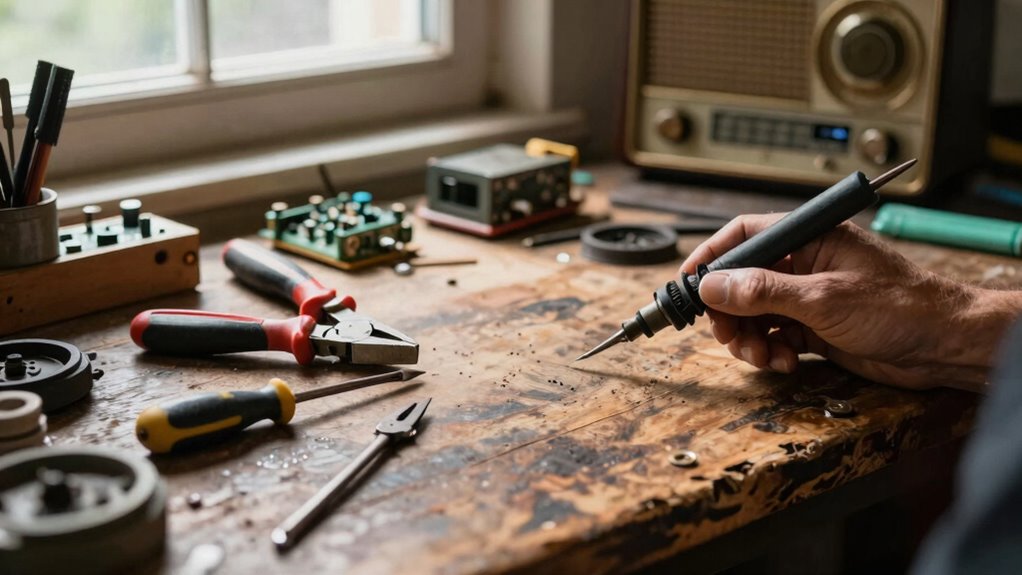
In a world increasingly focused on fast consumption, repair culture offers a vital alternative that can reshape how we value objects and community. When you choose to repair rather than replace, you participate in a movement that strengthens community resilience. Instead of discarding items and contributing to waste, you foster connections with local repair shops, craftspeople, and fellow enthusiasts who share your commitment to sustainability. This collaboration cultivates a sense of shared purpose and mutual support, making communities more adaptable and better equipped to handle challenges. Repairing items locally keeps resources circulating within the community, reducing dependence on distant manufacturing and supply chains. As a result, your actions contribute to a more self-reliant neighborhood where members look out for one another, building trust and social cohesion. Embracing biodiversity in our surroundings also encourages a healthier environment and resilient ecosystems. Beyond community ties, repair culture profoundly impacts the environment. Every repaired device or piece of clothing extends its lifespan, decreasing the demand for new production. This reduction in manufacturing lowers resource extraction, energy consumption, and pollution, all of which are essential in mitigating environmental degradation. When you opt to fix an appliance instead of replacing it, you help cut down on electronic waste and textile discard, both of which pose serious ecological threats. Repairing materials also lessens the strain on landfills, which are overflowing with waste that often takes centuries to decompose or leaches harmful chemicals into the soil and water. Additionally, fostering a repair-friendly mindset encourages innovation and product design that prioritize durability and ease of repair, creating a shift toward more sustainable manufacturing practices. A resource-efficient approach ensures that each product’s lifecycle is maximized, reducing waste and conserving natural resources. Good repair culture isn’t just about fixing things—it’s a mindset that values resourcefulness and longevity. It reminds you that objects aren’t disposable commodities but part of a larger ecosystem of use and reuse. When you repair, you challenge the throwaway culture that dominates modern society and advocate for a more mindful relationship with possessions. Incorporating community-based repair initiatives can amplify the positive impacts of repair culture, fostering collective action and shared knowledge. This shift in perspective helps slow the cycle of consumption and waste, making environmental and social impacts more manageable. Ultimately, repair culture matters because it empowers you to make choices that benefit your community’s resilience and the planet. It’s an act of resistance against the relentless push for newness and disposability, emphasizing instead the importance of care, durability, and sustainability. In doing so, you help forge a future where objects and communities thrive through thoughtful, sustainable practices.
Frequently Asked Questions
How Does Repair Culture Impact Local Economies?
Repair culture boosts local economies by increasing consumer awareness of sustainable practices and supporting local businesses. When you choose to repair rather than replace, you help keep money within your community, encouraging small business growth. This shift also fosters a sense of community pride and resilience, leading to more job opportunities. By embracing repair culture, you contribute to a healthier economy and promote sustainability, benefiting everyone in your local area.
Can Repair Culture Reduce Electronic Waste Effectively?
You might be surprised, but repair culture can effectively reduce electronic waste when you embrace repair awareness and take consumer responsibility seriously. By choosing to repair rather than replace devices, you extend their lifespan and minimize waste. This shift in mindset encourages sustainable habits, reduces demand for new gadgets, and helps the environment. Your actions, driven by repair awareness, can considerably cut down the mountains of electronic waste piling up worldwide.
What Role Do Schools Play in Promoting Repair Skills?
You play a crucial role in promoting repair skills by engaging students in hands-on activities and integrating repair concepts into the curriculum. Your efforts encourage student engagement, making learning practical and relevant. By fostering a culture of repair, you help students develop problem-solving skills and environmental awareness, empowering them to reduce waste and embrace sustainability. Schools become hubs of repair education, inspiring future generations to value maintenance and resourcefulness.
Are There Legal Barriers to Repairing Certain Products?
Legal restrictions are like locked doors that prevent you from repairing certain products. You might face warranty limitations that void your coverage if you try to fix devices yourself or use third-party parts. Some manufacturers include clauses in warranties to discourage repairs, making legal barriers a significant hurdle. These restrictions can limit your ability to maintain, upgrade, or fix products, emphasizing the need for clear, fair repair laws.
How Can Individuals Contribute to Fostering Repair Communities?
You can foster repair communities by engaging in community events and repair workshops, where you share your skills and learn from others. Volunteer to teach basic repair techniques, encouraging skill sharing among neighbors. Support local repair shops or online forums dedicated to fixing products. Your active participation helps build a culture of community engagement, making repair more accessible and sustainable for everyone. Every effort you make strengthens collective knowledge and resilience.
Conclusion
You might think that repairing things is just a small act, but it actually challenges the idea that we need to constantly replace. Studies show that a strong repair culture reduces waste and promotes sustainability. When you choose to fix rather than toss, you help shift societal values toward durability and care. Embracing repair isn’t just good for your wallet—it’s a powerful way to support a healthier planet and a more mindful community.
Fall yard work Picks
leaf blowers
As an affiliate, we earn on qualifying purchases.