Shared use models are gaining popularity because they offer a smarter, cheaper, and more sustainable way to get around your city. They reduce the costs of owning a vehicle, like insurance and parking, while easing congestion and lowering emissions. These services increase accessibility and flexibility, making travel less stressful and more community-oriented. As cities adopt smarter systems to optimize routes and availability, you’ll discover ways to enjoy eco-friendly, affordable transportation options that suit your lifestyle.

Get home appliances delivered free — and shop member deals
- Fast, free delivery on millions of items
- Access to Prime Big Deal Days deals on October 6–7
- Prime Video, Amazon Music and more included
Key Takeaways
- They reduce personal transportation costs, including insurance, maintenance, and parking fees.
- Shared models decrease urban congestion and emissions, supporting environmental sustainability.
- Smart systems optimize availability and routes, enhancing user convenience and efficiency.
- They foster social interaction and community engagement through shared mobility services.
- These models offer flexible, affordable options adaptable to growing urban populations.
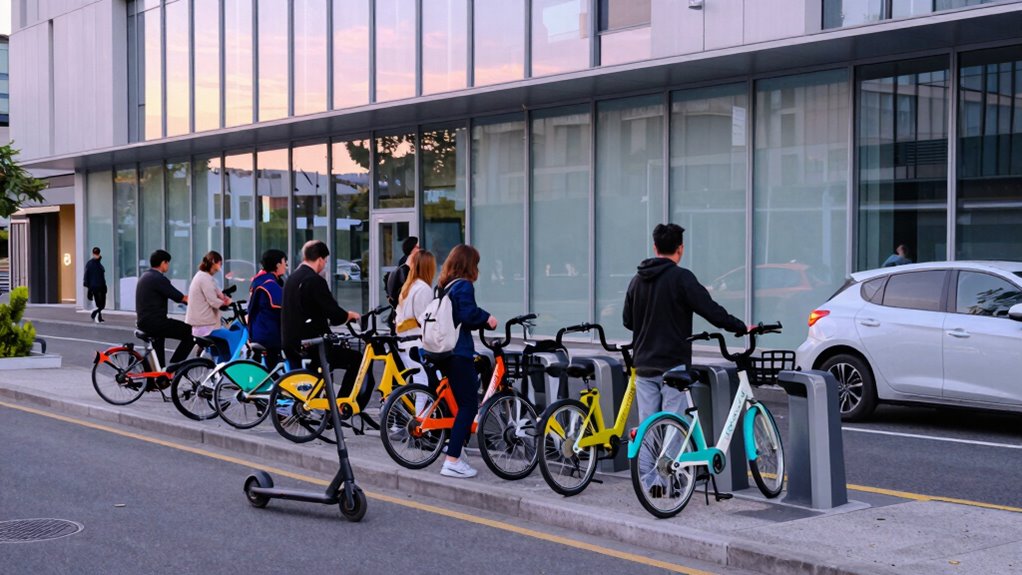
As cities seek more sustainable and cost-effective solutions, shared use models are gaining increasing appeal. You might notice how urban mobility is transforming around you, with more people opting for shared bikes, scooters, and car services instead of personal vehicles. This shift isn’t just about convenience; it’s a strategic move toward reducing congestion, lowering emissions, and making transportation more accessible to everyone. Shared use models provide a flexible, affordable alternative that can adapt to the changing needs of urban populations, making city life more dynamic and less stressful.
From an economic standpoint, shared use models deliver significant benefits. They reduce the overall costs associated with car ownership—insurance, maintenance, parking—making mobility more affordable for you and others. When more people use shared services, cities can cut down on the need for extensive infrastructure, like parking lots and road expansions, which are costly to build and maintain. This, in turn, frees up resources that can be invested in other urban development projects or public services that enhance your quality of life. Plus, shared mobility options can stimulate local economies by creating jobs related to bike sharing stations, service maintenance, and app-based platforms. Additionally, the integration of smart transportation systems is making shared mobility even more efficient and user-friendly.
You might also see that shared use models foster a sense of community and social interaction. Instead of owning a car that sits idle most of the time, shared services encourage you to participate in a more sustainable, collective approach to transportation. This not only reduces your personal expenses but also lessens the environmental impact—lowering your carbon footprint, which benefits the entire city. As more residents embrace shared mobility, traffic congestion diminishes, making commutes quicker and less stressful. This improved urban mobility means you spend less time stuck in traffic and more time doing what matters most.
Furthermore, shared use models create opportunities for innovation. Cities are implementing smart transportation systems that optimize routes and availability based on real-time data, making shared services even more efficient. For you, this means easier access to transportation options, shorter wait times, and a smoother experience overall. As these models become more widespread, they help foster a more resilient urban infrastructure, capable of adapting to population growth and changing mobility patterns without the need for massive, costly upgrades.
In essence, the quiet rise of shared use models is reshaping how you move through the city, offering economic benefits that extend beyond your wallet and contributing to a healthier, more sustainable urban environment. It’s a shift that aligns with your desire for affordable, convenient, and environmentally friendly transportation options — and it’s only just beginning.
As an affiliate, we earn on qualifying purchases.
Frequently Asked Questions
How Do Shared Use Models Impact Local Property Values?
Shared use models can positively impact your property value by making neighborhoods more vibrant and accessible. When communities embrace these models, they often see increased foot traffic and improved amenities, which boost desirability. This community impact can lead to higher property values, attracting buyers looking for lively, well-connected neighborhoods. Overall, shared use models create a more attractive environment, benefiting your property and enhancing the neighborhood’s appeal.
Are Shared Use Models Suitable for All Community Sizes?
Shared use models work well in communities of various sizes because they promote community engagement and offer design flexibility. In smaller communities, they foster stronger connections, while larger ones benefit from efficient space utilization. You’ll find these models adaptable, allowing you to tailor spaces to your community’s needs. Overall, they support inclusive growth, making them suitable regardless of your community size, by encouraging participation and flexible design.
What Are the Legal Challenges of Implementing Shared Use Models?
You might face legal challenges like liability concerns and zoning regulations when implementing shared use models. Liability worries arise if someone gets injured on shared property, potentially leading to costly lawsuits. Zoning laws can restrict or complicate shared spaces, requiring permits or adjustments to existing regulations. To succeed, you need to clearly define responsibilities, guarantee proper insurance coverage, and work closely with local authorities to navigate zoning requirements.
How Do Shared Use Models Affect Individual Ownership Rights?
Shared use models can limit your individual ownership rights through ownership restrictions and usage limitations. You might find that your ability to freely access or modify the resource is constrained, as rules dictate how and when you can use shared assets. This means you don’t have full control, and your ownership rights are balanced against the needs of the community or organization managing the shared resource.
What Funding Sources Support Shared Use Infrastructure?
Funding for shared use infrastructure often comes from public-private partnerships, blending government support with private sector investment. You can tap into grant opportunities aimed at promoting community development and sustainable transportation. These funding sources help bridge gaps, making shared use models more feasible. Think of it as a win-win, where both sectors benefit, and you get the resources needed to develop spaces that serve everyone.
Conclusion
So, as shared use models become the darling of the urban planning world, you might as well get used to handing over your keys—or your parking spot—to the collective. Who needs ownership or privacy when you can revel in the joy of shared spaces and fleeting convenience? Soon, you’ll be living in a world where your car, home, and even your time are all just communal assets. Cheers to the future of shared everything—individually, of course.
Fall Picks
fall essentials
As an affiliate, we earn on qualifying purchases.