
TL;DR
Car maintenance has dramatically changed over the decades, shifting from manual, routine checks to advanced, technology-driven diagnostics. These developments improve safety and efficiency but also alter the skills required of mechanics.
Car maintenance has undergone significant transformation over the past several decades, moving from basic manual inspections to sophisticated, computer-assisted diagnostics. This evolution affects vehicle safety, repair costs, and the skill set required for mechanics, making it a critical development for drivers and industry professionals alike.
Historically, car maintenance relied heavily on manual checks, such as oil changes, spark plug replacements, and belt inspections, often performed by vehicle owners or basic service centers. Over time, the introduction of electronic systems and onboard diagnostics (OBD) in the 1980s revolutionized the industry, allowing mechanics to quickly identify issues via computerized codes. Today, the rise of electric vehicles (EVs) and advanced driver-assistance systems (ADAS) has further transformed maintenance practices, emphasizing software updates and sensor calibration over traditional parts replacement.
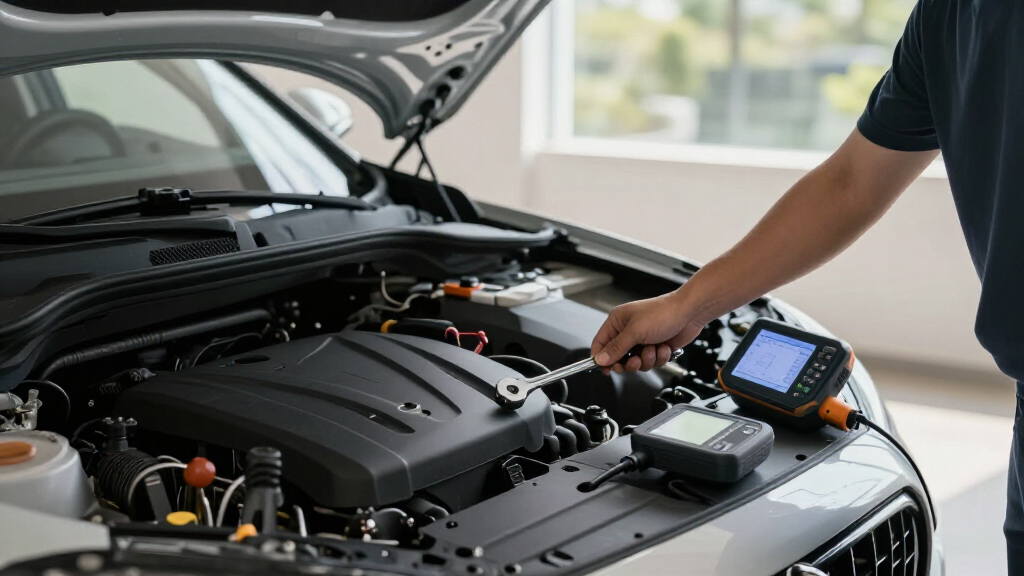
Recent advancements include the widespread adoption of diagnostic tools that connect to vehicles’ electronic systems, enabling precise troubleshooting. Additionally, the industry has seen a shift toward remote diagnostics and predictive maintenance, driven by data analytics and IoT (Internet of Things) technology. These changes have increased repair accuracy and reduced downtime but require technicians to have specialized training in software and electronics, rather than solely mechanical skills.
Impacts of Technological Advances on Vehicle Maintenance Skills
The evolution of car maintenance practices directly impacts vehicle safety, repair costs, and the workforce. Modern diagnostic tools improve safety by ensuring issues are accurately identified and addressed promptly. However, they also demand new skills from technicians, potentially creating a skills gap. For consumers, these changes can mean higher initial costs but more reliable vehicle performance over time.

ANCEL AD310 Classic Enhanced Universal OBD II Scanner Car Engine Fault Code Reader CAN Diagnostic Scan Tool, Read and Clear Error Codes for 1996 or Newer OBD2 Protocol Vehicle (Black)
- Diagnoses Check Engine Light: Easily identify cause of check engine light
- Clear Diagnostic Codes: Read and erase trouble codes quickly
- Live Data & Freeze Frame: View real-time data and snapshots
As an affiliate, we earn on qualifying purchases.
As an affiliate, we earn on qualifying purchases.
Historical Shifts in Car Maintenance Practices
In the mid-20th century, car maintenance was predominantly manual, with vehicle owners performing basic tasks or relying on local garages. The 1980s marked a turning point with the introduction of onboard diagnostics, which allowed for quicker and more accurate troubleshooting. The 21st century has seen the rise of electric vehicles, which require different maintenance approaches, focusing more on software and battery management. These shifts reflect broader technological trends and changing consumer expectations for vehicle reliability and safety.
“Today’s technicians need to be as comfortable with software as they are with wrenches, especially with electric and hybrid vehicles on the rise.”
— Maria Lopez, experienced mechanic
Unresolved Questions About Future Maintenance Trends
It remains unclear how widespread adoption of fully autonomous vehicles will further alter maintenance practices, particularly regarding the role of software diagnostics versus traditional mechanical repairs. Additionally, the long-term impact of EV batteries and new materials on maintenance costs and skills is still developing. Industry experts are closely monitoring these trends, but definitive conclusions are yet to be drawn.
Upcoming Developments in Vehicle Maintenance Technologies
The industry is expected to see continued integration of AI-driven diagnostics, increased use of remote monitoring, and more sophisticated software updates for vehicles. Training programs for technicians are also evolving to include digital skills and cybersecurity awareness. In the coming years, maintenance for electric and autonomous vehicles will likely become more centralized and software-oriented, reducing traditional repair roles and emphasizing digital expertise.
Key Questions
How has the shift to electric vehicles changed car maintenance?
Electric vehicles require less routine maintenance, such as oil changes, but demand new skills in software troubleshooting, battery management, and sensor calibration. This shift reduces some traditional repair jobs while creating demand for specialized technical training.
Will traditional mechanical skills become obsolete?
While mechanical skills remain valuable, especially for certain repairs, the industry is increasingly favoring technicians with digital and electronic expertise. Future maintenance will likely blend mechanical and software skills.
Are maintenance costs higher or lower now compared to the past?
Initial maintenance costs may be higher due to advanced diagnostic tools and software updates, but overall, modern vehicles tend to require less frequent mechanical repairs, potentially lowering long-term costs.
What safety benefits come from these technological changes?
Enhanced diagnostics and sensor calibration improve vehicle safety by ensuring issues are detected early and corrected accurately, reducing the risk of breakdowns and accidents.
How will industry training adapt to these changes?
Training programs are increasingly incorporating digital skills, software troubleshooting, and cybersecurity to prepare technicians for the evolving landscape of vehicle maintenance.
Source: rss