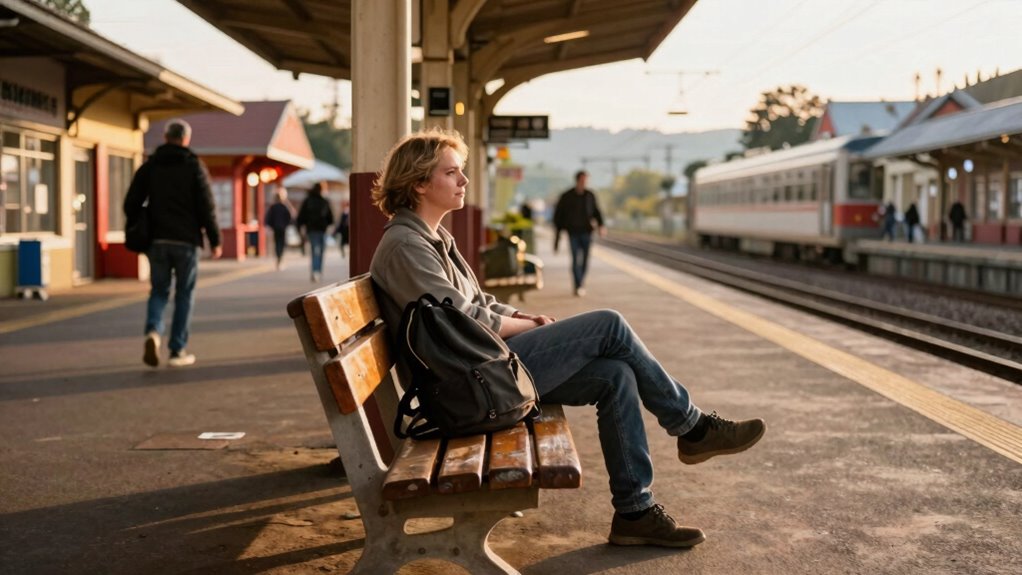

When you plan less, your travel days become more relaxed and enjoyable because you allow space for spontaneity and authentic experiences. This flexibility helps you connect more deeply with your surroundings, discover hidden gems, and engage with locals. Without a rigid schedule, you’re less stressed and more open to surprises that make your trip memorable. Embracing unpredictability turns ordinary days into unique adventures—stick around, and you’ll uncover how to make travel even better.
Key Takeaways
- Less planning allows for spontaneous exploration, making experiences more exciting and memorable.
- Flexibility fosters authentic interactions with locals and cultural immersion.
- Reduced schedules promote mindfulness, enabling travelers to savor sensory details and present moments.
- Adaptability to unexpected changes decreases stress and turns disruptions into unique stories.
- Embracing unpredictability enhances curiosity, leading to more genuine and personalized travel experiences.
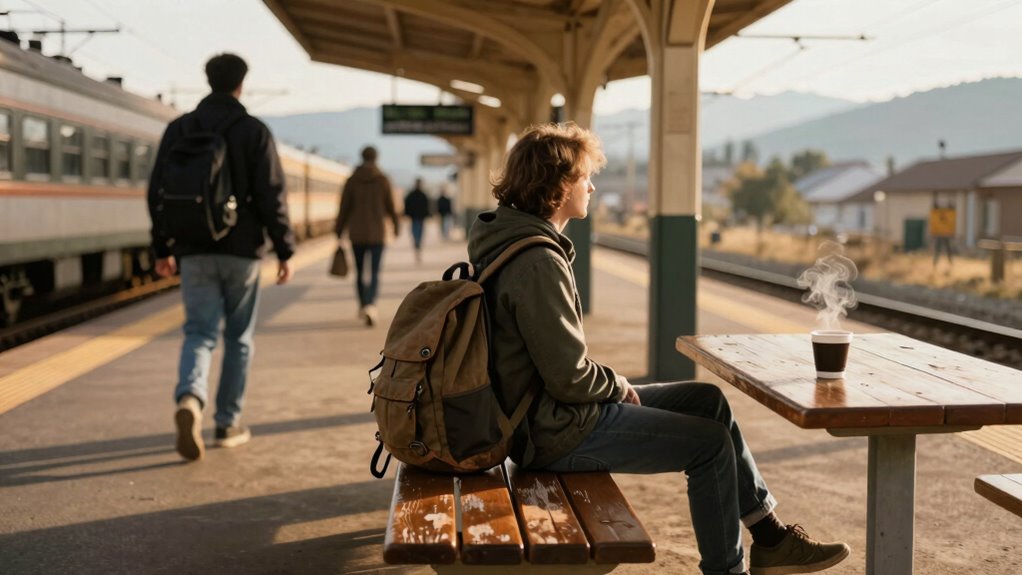
When it comes to travel days, less planning often leads to a more enjoyable experience. Instead of meticulously mapping out every detail, you allow room for spontaneity and unexpected adventures. This relaxed approach opens the door to discovering local cuisine that might not be listed on a guidebook or planned in your itinerary. You might stumble upon a small street vendor serving authentic dishes or find a cozy café where locals gather. These moments of unplanned exploration make your trip richer and more memorable, giving you a taste of the true culture of the place.
By not over-scheduling yourself, you create space for cultural surprises that can transform an ordinary day into an extraordinary one. When you’re not tied to strict plans, you become more receptive to your surroundings. You might find yourself chatting with locals, learning about their traditions, or even joining in a local celebration or activity. These cultural surprises often become the highlights of your journey, offering authentic insights that no pre-planned tour can provide. The more flexible you are, the more likely you are to embrace these unexpected opportunities, making your travel days feel lively and genuine.
Planning less also means you stay present in the moment rather than stressing over time constraints. When you’re not rushing to hit every landmark or check off every item on your list, you can truly savor your experiences. This mindfulness helps you notice details you might otherwise overlook—like the aroma of a freshly cooked meal or the vibrant colors of a local market. As a result, your travel days become less about ticking boxes and more about soaking in the atmosphere, which often leads to a deeper, more meaningful connection with the place you’re visiting. Recognizing the importance of flexibility in travel planning can significantly enhance your overall experience. Incorporating mindfulness practices can also help you fully appreciate these moments and deepen your connection to the environment around you. Additionally, a flexible approach allows you to adapt to unexpected situations that are common during travel, turning potential disruptions into memorable experiences.
In addition, a less rigid schedule can reduce travel-related stress. You won’t feel pressured to stick to tight timelines or worry about missing out. Instead, you approach each day with curiosity and openness, allowing your plans to adapt naturally to what feels right in the moment. This adaptability is especially valuable when encountering unpredictable circumstances, which often lead to some of the most memorable stories. This flexibility encourages you to participate in spontaneous activities, whether it’s joining a local dance, trying a new dish, or simply wandering through unfamiliar streets. These unscripted experiences create stories that stay with you long after you’ve returned home. Embracing a relaxed planning approach can lead to more authentic and memorable travel stories.
Ultimately, when you plan less aggressively, you give yourself permission to fully enjoy the unpredictability of travel. You become more engaged, more curious, and more open to the culture around you. Embracing the unexpected turns your journey into something uniquely yours—full of local flavors, cultural surprises, and genuine moments that make travel days truly special.
compact travel journal for spontaneity
As an affiliate, we earn on qualifying purchases.
As an affiliate, we earn on qualifying purchases.
Frequently Asked Questions
How Does Spontaneity Improve Travel Day Experiences?
Spontaneity boosts your travel day by opening the door to unexpected adventures, making your journey more exciting and memorable. When you embrace creative freedom, you’re more likely to explore new places or try new activities without restrictions. This flexibility reduces stress, allowing you to enjoy the moment fully. Ultimately, spontaneous decisions transform ordinary travel days into unique experiences, leaving you with stories that boost your happiness and satisfaction.
Can Planning Less Reduce Travel Stress Significantly?
Imagine your travel mindset shifting as you loosen your plans, letting the breeze of spontaneity carry you. Planning less can considerably reduce travel stress by allowing relaxation techniques to take center stage. Without rigid schedules, you breathe easier, embracing surprises instead of worries. Your day flows naturally, making each moment more enjoyable. Less planning means more freedom, turning travel days into relaxing adventures rather than stressful events.
What Are Common Pitfalls of Over-Planning Travel Days?
Over-planning your travel days can limit your travel flexibility and prevent spontaneous adventures. You might feel rushed or stressed trying to stick to a strict schedule, missing out on unexpected discoveries. It’s easy to become overwhelmed by a packed itinerary, which diminishes enjoyment. Instead, leave room for flexibility, so you can embrace spontaneous adventures and truly savor each moment without the pressure of rigid plans.
How Flexible Should Travel Itineraries Be for Optimal Enjoyment?
You should keep your travel itinerary flexible enough to embrace unscheduled adventures, because that’s where the magic happens. Being too rigid limits your ability to adapt to unpredictable outcomes, which often lead to the most memorable experiences. Leave room for spontaneous discoveries, and you’ll find your journey richer and more enjoyable. Flexibility creates space for surprises, making every travel day feel thrilling and authentic rather than stressful or predictable.
Does Less Planning Lead to More Authentic Local Interactions?
Yes, less planning often leads to more authentic local interactions. When you’re not tied to strict schedules, you naturally immerse yourself in local culture and make genuine connections. Spontaneous encounters become more frequent, giving you deeper cultural immersion. By allowing room for flexibility, you can explore off-the-beaten-path spots, engage with locals more freely, and truly experience the local way of life, enriching your overall travel experience.
Conclusion
So, next time you hit the road, loosen the reins and let spontaneity be your guide. When you plan less, travel days become a gentle river, flowing smoothly without the rocks of rigid schedules. Embrace the surprises along the way—they’ll turn your journey into a story worth telling. After all, sometimes the best memories are made when you steer off the beaten path and let the adventure unfold naturally.