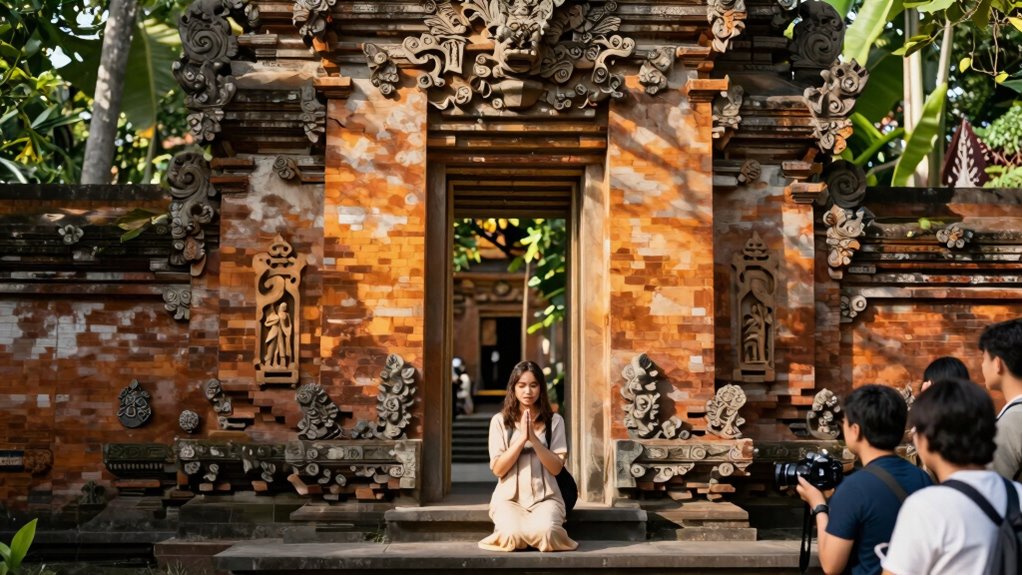

To travel respectfully in sacred places, show genuine respect and be mindful of local customs and rituals. Dress modestly, covering shoulders, knees, and ankles, and carry a scarf if needed. Maintain a quiet voice, avoid disruptive behavior, and follow all rules like silence or photography restrictions. Observe and honor ceremonies without interference. Continuing will reveal more essential tips to guarantee your visit honors the site’s spiritual significance and cultural traditions.

Get home appliances delivered free — and shop member deals
- Fast, free delivery on millions of items
- Access to Prime Big Deal Days deals on October 6–7
- Prime Video, Amazon Music and more included
Key Takeaways
- Research and understand the cultural and spiritual significance of the site before visiting.
- Dress modestly and follow any specific dress codes or guidelines.
- Maintain silence, speak softly, and avoid disruptive behavior during rituals or ceremonies.
- Follow rules such as prohibitions on photography and respect local customs.
- Engage with locals and guides politely, demonstrating genuine respect and cultural sensitivity.
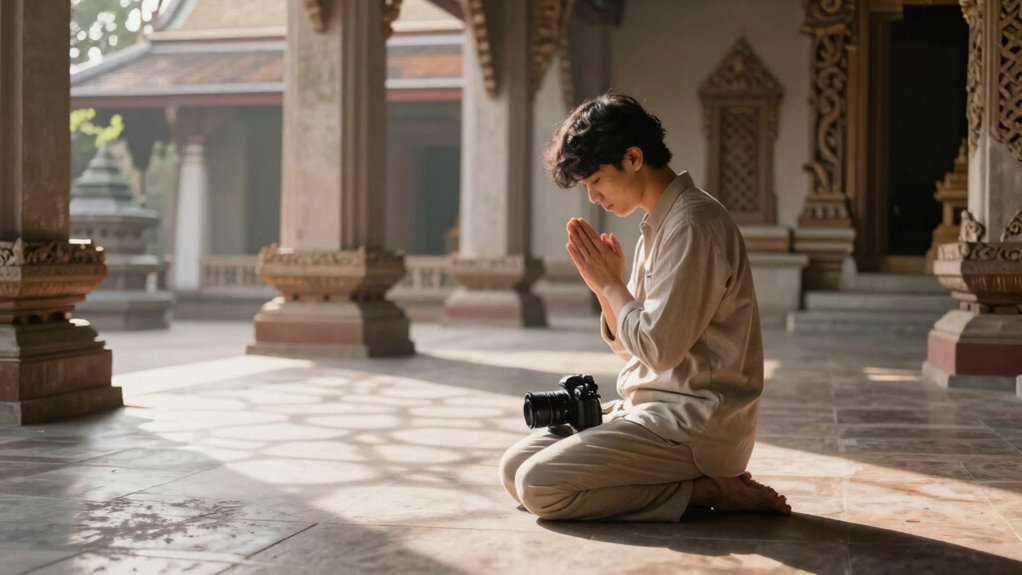
When visiting sacred places, it’s essential to approach them with respect and mindfulness. These sites hold deep spiritual and cultural significance for the communities that cherish them. To show your respect, you need to be aware of cultural sensitivity—understanding and honoring the traditions, customs, and beliefs that shape these spaces. This means doing a little research beforehand to learn what’s appropriate and what might be considered disrespectful. For example, some sites may prohibit photography or require silence, while others might have specific rituals visitors should observe. Being attentive to these details demonstrates your respect and willingness to engage thoughtfully with the environment.
Approach sacred sites with respect, mindfulness, and awareness of customs to honor their spiritual significance.
Equally important is dressing appropriately. Appropriate attire isn’t just about modesty; it’s about acknowledging the cultural norms of the place you’re visiting. Many sacred sites, such as temples, mosques, or shrines, have dress codes meant to preserve the sanctity of the space. Cover your shoulders, avoid revealing clothing, and wear clothing that covers your knees or ankles if required. Carrying a shawl or scarf can be helpful if you’re unsure about the dress code—these can be easily added or removed as needed. Remember, dressing in a manner that aligns with local customs shows you respect their traditions and helps you blend into the environment more seamlessly.
As you explore these sacred places, remember that your behavior influences the experience of everyone around you. Maintain a quiet demeanor, speak softly, and avoid disruptive actions. Respect the rituals or ceremonies happening around you, even if they seem unfamiliar. If you’re unsure about anything, look for signs or ask a local or guide politely. Many communities appreciate visitors who show genuine interest and respect, rather than those who act out of ignorance or carelessness. Practicing cultural sensitivity when visiting these sites ensures a respectful experience for everyone involved.
Being mindful of your surroundings also means managing your belongings discreetly and avoiding loud noises or inappropriate gestures. Keep your camera use respectful—don’t block others’ view or disturb ongoing rituals. Take your cues from locals and other visitors who are acting respectfully. If you’re visiting a place with a designated dress code or specific customs, abide by those rules without exception. Recognizing and respecting traditions helps foster a positive environment for all visitors and locals alike. Additionally, understanding the importance of cultural appreciation can enrich your experience and deepen your connection to the site. Being aware of the cultural context can also guide your behavior and enhance your understanding of the significance behind rituals or practices. Being aware of local customs can help prevent unintentional disrespect and promote a more meaningful visit.
As an affiliate, we earn on qualifying purchases.
Frequently Asked Questions
Are There Specific Clothing Guidelines for Sacred Sites?
Yes, there are specific clothing guidelines for sacred sites. You should wear appropriate attire that covers your shoulders, knees, and sometimes your head, showing cultural sensitivity. Avoid revealing or tight clothing, and opt for modest, respectful outfits. It’s a good idea to research the specific site beforehand, as dress codes vary. Respectful clothing demonstrates your understanding and appreciation of the site’s significance, helping you travel more thoughtfully and respectfully.
Can I Take Photos Inside Sacred Temples or Churches?
Think of sacred places as pages in a sacred book—each photo captures part of their story. Photography etiquette varies; some sites allow photos, others don’t, respecting dress code requirements and religious sensitivities. Always ask permission or check guidelines first. If permitted, keep your camera or phone on silent, avoid flash, and be discreet. Remember, your respectful approach preserves the sanctity for future visitors and honors the spiritual significance of these places.
Is It Acceptable to Eat or Drink in Sacred Places?
Eating or drinking in sacred places is generally not acceptable, as it shows disrespectful behavior and disregards cultural sensitivity. You should always observe and follow posted rules or ask permission if you’re unsure. By doing so, you demonstrate respect for the site, its traditions, and its visitors. Keep your focus on reverence and mindfulness, ensuring your actions honor the sacred space and its significance to the community.
How Should I Behave During Religious Ceremonies or Rituals?
During religious ceremonies or rituals, you should maintain respectful silence to honor the sacred atmosphere. Follow proper greeting customs, such as bowing or using appropriate words, to show your respect. Avoid taking photos or making loud noises, and dress modestly. Listen attentively and participate quietly when appropriate. Your respectful behavior demonstrates reverence, helping preserve the sanctity of the ritual and showing your genuine respect for the traditions being observed.
Are There Age Restrictions for Visiting Certain Sacred Sites?
Did you know that many sacred sites set age restrictions to protect their cultural significance? You’ll find age restrictions often apply, especially for delicate rituals or areas deemed sacred. Always check visitor guidelines beforehand, as these restrictions vary widely—some sites limit children or require adult supervision. Respect the rules, and you’ll help preserve the spiritual atmosphere while ensuring your visit remains respectful and enriching for everyone involved.
Conclusion
By respecting the customs and traditions of sacred places, you honor the beliefs of others and enrich your own experience. Remember, just as a gentle breeze honors the stillness of a temple, your mindful actions preserve the sanctity and beauty of these spiritual sites. Traveling respectfully isn’t just about following rules—it’s about fostering understanding and connection. So, approach each sacred place with an open heart and a humble spirit, and you’ll leave a positive, lasting impression.
NFL season / tailgating Picks
team gear
As an affiliate, we earn on qualifying purchases.