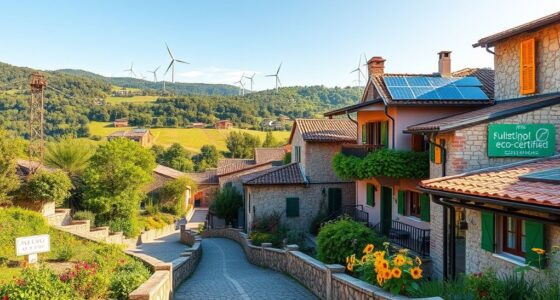
When hiking in the Apennines and Dolomites, always prepare by studying your route, checking weather forecasts, and carrying essential gear like sturdy boots, layered clothing, and a map or GPS. Stay on marked trails, watch for trail markers, and be alert to changing weather conditions. Respect trail advisories and don’t hesitate to turn back if weather worsens. For more expert tips on staying safe in these regions, continue exploring your plans for a secure adventure.
Key Takeaways
- Study detailed maps and trail markers to stay on course and avoid getting lost.
- Check weather forecasts and carry waterproof gear for sudden weather changes.
- Match trail difficulty with your experience and physical condition before starting.
- Carry essential gear like sturdy boots, layered clothing, first aid kit, and extra food.
- Inform someone about your plans and expected return time for safety and rescue purposes.

Hiking in the Apennines and Dolomites offers breathtaking views and unforgettable adventures, but it also requires careful preparation to stay safe. The first step is focusing on trail preparation. Before you set out, study the route thoroughly. Use detailed maps or GPS devices to familiarize yourself with the terrain, trail markers, and potential hazards. Make sure your chosen trail matches your experience level and physical condition. Carry a compass and a portable charger for your devices, and always inform someone about your plans and expected return time. Packing the right gear is essential—sturdy hiking boots, layered clothing, a first aid kit, and plenty of water should be non-negotiables. It’s wise to pack extra food, especially if you plan to hike for several hours or more. Remember, the trails can be rugged and unpredictable; being prepared minimizes risks and enhances your overall experience. Additionally, knowing how to read trail markers can help you stay on course and avoid getting lost. Weather awareness is equally important. The weather in mountain regions can change rapidly, so you must stay alert and flexible. Check the forecast before heading out, and be prepared for sudden shifts—cloud cover, rain, or even snow can appear unexpectedly. Dress in moisture-wicking layers and bring waterproof gear to stay dry and warm. Keep an eye on the sky during your hike for signs of changing weather, such as darkening clouds or strong winds. If conditions worsen, consider turning back or seeking shelter until it clears. Sudden storms can create dangerous conditions, especially on exposed ridges or high-altitude trails, so knowing how to respond is essential. Carrying a weather radio or downloading a reliable weather app can help you stay updated in real-time. Staying aware of weather and properly preparing your trail plan go hand in hand. They allow you to anticipate challenges rather than react to them. For example, if you notice a storm approaching, you can decide to descend to lower elevations or find a safe spot to wait it out. Always respect trail closures or advisories, which are often issued during severe weather or unsafe conditions. By paying close attention to your trail preparation and weather awareness, you greatly reduce risks and ensure your adventure remains enjoyable and safe. Remember, mountain environments demand respect and vigilance. Taking these precautions not only protects you but also allows you to fully enjoy the stunning beauty of the Apennines and Dolomites.

Philips 7000 Series Pasta Maker, ProExtrude Technology 150W, 8 discs, Perfect Mixing Technology, Prepare up to 8 Portions, HomeID App, White, (HR2660/03)
PASTA UNDER 10 MINUTES: Enjoy fresh homemade pasta effortlessly in under 10 minutes¹.
As an affiliate, we earn on qualifying purchases.
Frequently Asked Questions
What Are the Best Seasons for Hiking in These Regions?
The best hiking seasons in the Apennines and Dolomites are late spring, summer, and early autumn. During these times, the weather is generally stable, with warmer temperatures and longer daylight hours, making for ideal conditions. Be mindful of seasonal weather variations, as winter and early spring can bring snow and colder temperatures, which may require extra gear and caution. Planning your hike during the peak seasons guarantees a safer and more enjoyable experience.
How Can I Find Reliable Trail Maps and Navigation Tools?
Ever feel like exploring these majestic mountains is like finding a needle in a haystack? You can find reliable trail maps and navigation tools by using GPS devices and trail apps. Download detailed maps beforehand, and keep your devices charged. Use offline options when signal drops. With these tools, you’ll confidently explore the peaks, turning wild terrain into your personal adventure playground.
Are There Specific Gear Recommendations for Different Weather Conditions?
You should pack layered clothing to adapt to changing weather, including moisture-wicking base layers, insulating mid-layers, and waterproof outer shells. Waterproof gear, like jackets and pants, is essential for rain or snow. Always check the forecast before your hike, and bring extra layers or rain gear to stay dry and comfortable. Proper gear guarantees you stay safe and enjoy your hike, regardless of sudden weather shifts.
What Wildlife Should I Be Aware of While Hiking?
During your hikes, be aware of wildlife encounters like marmots, chamois, and possibly snakes in the Apennines and Dolomites. To stay safe, use protective measures such as keeping a respectful distance, avoiding loud noises, and securing food to prevent attracting animals. Always stay alert, and if you encounter larger animals like bears or wolves, back away slowly and avoid eye contact to protect yourself effectively.
How Do I Handle Emergencies or Injuries in Remote Areas?
Imagine you’re a lone explorer in a vast mountain landscape. When emergencies happen, stay calm and prioritize safety. Use emergency communication devices like a satellite phone or whistle to call for help. Carry first aid essentials and know basic first aid skills to treat injuries until help arrives. Keep your route planned, share it with someone, and stay visible. Your preparedness can turn a crisis into a manageable situation.
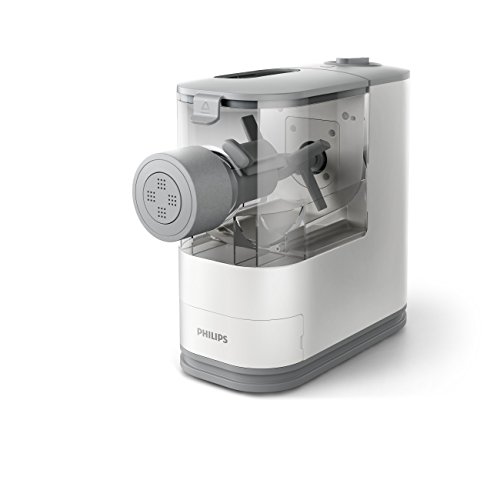
Philips Kitchen Appliances Compact Pasta and Noodle Maker, Viva Collection, Comes with 3 Default Classic Pasta Shaping Discs, Fully Automatic, Recipe Book, Small, White (HR2370/05)
Automatically kneads and extrudes 2-3 servings of fresh pasta in just 18 minutes thanks to uniquely designed stirring...
As an affiliate, we earn on qualifying purchases.
Conclusion
Remember, staying safe while exploring the Apennines and Dolomites is key—know your limits, check the weather, and pack essentials. Did you know that over 80% of mountain accidents could be prevented with proper preparation? By following these tips, you’ll enjoy breathtaking views without unnecessary risks. So gear up, stay alert, and make your hike memorable for all the right reasons. Happy trekking!

VEVOR Electric Pasta Maker, 150W Automatic Noodle Maker Machine with 8 Pasta Shapes, 4 Intelligent Modes, 500g Flour Capacity Pasta Maker Machine with Measuring Cups, Cleaning Brush for Home Kitchen
User-Friendly Operation: Designed for ease of use, this pasta maker machine comes with recipes and simple ratios to...
As an affiliate, we earn on qualifying purchases.

VEVOR Electric Pasta Maker, 150W Automatic Noodle Maker Machine with 8 Pasta Shapes, 4 Intelligent Modes, 500g Flour Capacity Pasta Maker Machine with Measuring Cups, Cleaning Brush for Home Kitchen
User-Friendly Operation: Designed for ease of use, this pasta maker machine comes with recipes and simple ratios to...
As an affiliate, we earn on qualifying purchases.