
When choosing a VR headset for streaming and recording, you’ll want a device that offers high-quality visuals, reliable connectivity, and good tracking capabilities. The Meta Quest 3 512GB stands out as the overall best for its balance of performance and ease of use, while the Pimax Crystal offers ultrawide FOV and eye-tracking for advanced streamers. Another key consideration is whether you prefer standalone VR or PC-tethered setups, which impacts flexibility and performance. The main tradeoffs involve image clarity, tracking accuracy, and cost. Keep reading for a detailed breakdown of the top options to help you find the perfect fit for your streaming and recording needs.
Listen free for 30 days with Audible
Thousands of audiobooks and originals — cancel anytime.
Start your free trialAs an affiliate, we earn on qualifying purchases.
Complete the kit

Key Takeaways
- High-resolution displays are essential for clear streaming visuals, with models like Pimax Crystal leading in pixel density.
- Wired headsets generally offer better tracking and lower latency but reduce mobility compared to standalone options.
- Built-in features like eye-tracking and wide FOV enhance immersive streaming experiences for advanced users.
- Storage capacity matters for recording high-quality content without frequent interruptions or data management.
- Price varies widely, with premium headsets offering the best performance but at a higher cost, while more affordable options still deliver solid streaming capabilities.
| Pimax Dream Air Slam VR Headset – 3840 x 3552 Per Eye, 110° FOV, Includes Controllers |  | Best for Immersive High-Resolution Experiences | Resolution: 3840 x 3552 per eye | Field of View: 110° | Display Type: Micro-OLED | VIEW ON AMAZON | See Our Full Breakdown |
| HTC Vive Focus Vision Wired Bundle — XR Headset with DisplayPort PC VR Streaming Kit |  | Best for Mixed Reality and High-Precision Streaming | Display Resolution: 2448 x 2448 pixels per eye | Field of View: up to 120° | Refresh Rate: 90 Hz | VIEW ON AMAZON | See Our Full Breakdown |
| Meta Quest 3 512GB Virtual Reality Headset with Gorilla Tag Bundle |  | Best Wireless High-Resolution VR for Streaming on the Go | Storage: 512GB | Resolution: 4K+ Infinite Display | Processor: Snapdragon XR2 Gen 2 | VIEW ON AMAZON | See Our Full Breakdown |
| Meta Quest 3S 128GB VR Headset | 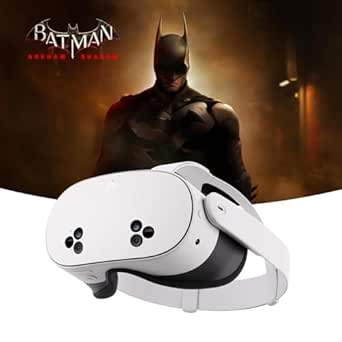 | Best for Versatile, Multi-Tasking VR with Mixed Reality | Storage: 128GB | Platform: Qualcomm Snapdragon XR2 Gen 2 | Graphical Performance: 2X Meta Quest 2 | VIEW ON AMAZON | See Our Full Breakdown |
| Pimax Crystal Super VR Headset, 3840×3840 per Eye, Ultrawide, 140° FOV, Eye-Tracking, PC Compatible |  | Best for Ultra-High-Resolution, Wide FOV Content Creation | Display Resolution: 3840×3840 per eye | Field Of View: 140° | Display Technology: QLED Mini-LED | VIEW ON AMAZON | See Our Full Breakdown |
| Meta Quest 3S 128GB Virtual Reality VR Headset (Renewed Premium) |  | Best Overall for Wireless VR Streaming and Recording | Storage: 128GB | Battery Life: 2+ hours | Memory: 8GB RAM | VIEW ON AMAZON | See Our Full Breakdown |
| HTC Vive Focus Vision Wired Bundle with Facial Tracker – VR Headset with DisplayPort PC Streaming Kit |  | Best for High-Resolution, PC-Compatible VR Streaming | Display Resolution: 2448 x 2448 pixels per eye | Field of View: up to 120° | Refresh Rate: 90 Hz | VIEW ON AMAZON | See Our Full Breakdown |
| Meta Quest Pro Headset with Virtual Reality Field Trips 1-Month Subscription |  | Best for Educational Streaming and Mixed Reality Recording | Storage: 256 GB | RAM: 12 GB | Sensors: 10 VR/MR sensors | VIEW ON AMAZON | See Our Full Breakdown |
| Meta Quest 3S 128GB Virtual Reality Headset with Gorilla Tag Bundle |  | Best for Casual and Extended Wireless Gaming & Streaming | Storage: 128GB | Memory: 8GB RAM | Processor: Snapdragon XR2 Gen 2 | VIEW ON AMAZON | See Our Full Breakdown |
| vr headsets for streaming and recording | Storage |
|---|---|
| Pimax Dream Air Slam VR Headse | — |
| HTC Vive Focus Vision Wired Bu | — |
| Meta Quest 3 512GB Virtual Rea | 512GB |
| Meta Quest 3S 128GB VR Headset | 128GB |
| Pimax Crystal Super VR Headset | — |
| Meta Quest 3S 128GB Virtual Re | 128GB |
| HTC Vive Focus Vision Wired Bu | — |
| Meta Quest Pro Headset with Vi | 256 GB |
| Meta Quest 3S 128GB Virtual Re | 128GB |
More Details on Our Top Picks
Pimax Dream Air Slam VR Headset – 3840 x 3552 Per Eye, 110° FOV, Includes Controllers
This headset stands out for its extraordinary resolution and wide 110° field of view, making it ideal for streaming and recording where visual clarity is paramount. Compared to the Meta Quest 3, which offers wireless convenience but lower resolution, the Dream Air Slam delivers sharper visuals at the expense of needing a powerful PC. Its advanced eye-tracking and 6DOF controllers enhance interaction fidelity, critical for high-quality recordings. However, its reliance on a high-end PC and split connection cables can be cumbersome, especially for users unfamiliar with complex setups. The limited info on comfort suggests it may not be suitable for extended wear. Best suited for professional streamers or VR content creators who prioritize image quality over portability.
Pros:- High-resolution Micro-OLED display for stunning visuals
- Wide 110° field of view enhances immersion
- Includes eye-tracking and 6DOF controllers for accurate interaction
- Built-in spatial audio improves sound immersion
Cons:- Requires a high-performance PC to run smoothly
- Split DisplayPort cable setup can be inconvenient
- Limited information on comfort and fit for long sessions
Best for: VR streamers and recorders who need top-tier visual fidelity and precise tracking
Not ideal for: Casual users or those seeking a wireless, plug-and-play headset due to setup complexity and portability issues
- Resolution:3840 x 3552 per eye
- Field of View:110°
- Display Type:Micro-OLED
- Tracking:SLAM with eye-tracking
- Controllers:6DOF included
- Audio:Spatial audio
Our verdict“This headset makes the most sense for professional content creators demanding exceptional clarity and tracking, despite setup challenges.”
HTC Vive Focus Vision Wired Bundle — XR Headset with DisplayPort PC VR Streaming Kit
This model excels in delivering high-fidelity visuals with its 5K display and submillimeter tracking, making it a strong contender for streaming and recording where accurate spatial data is essential. Unlike the Meta Quest 3, which is wireless and more portable, the Vive Focus Vision’s wired setup and complex configuration can be intimidating for newcomers. The hot-swappable battery extends play sessions, supporting longer recording streams, but its weight and setup complexity may cause discomfort during extended use. Its robust tracking system outperforms standalone headsets in precision, making it suitable for detailed spatial recordings. Best for VR professionals or enthusiasts comfortable with wired setups seeking accuracy and extended use.
Pros:- High-resolution 5K display for crisp visuals
- Submillimeter tracking accuracy with four cameras
- Hot-swappable battery for longer sessions
- Supports mixed reality features and environment interaction
Cons:- Complex setup requiring technical knowledge
- Heavy and potentially uncomfortable during long wear
- Price point likely higher due to advanced features
Best for: Power users who need precise tracking and high-resolution visuals for streaming or detailed recording
Not ideal for: Casual users or those prioritizing wireless freedom and simplicity, due to its cumbersome setup and weight
- Display Resolution:2448 x 2448 pixels per eye
- Field of View:up to 120°
- Refresh Rate:90 Hz
- Tracking:submillimeter accuracy with 4 cameras
- Battery:hot-swappable
- Connectivity:DisplayPort, Ethernet
Our verdict“This headset is best for technical users needing top-tier tracking precision and visual clarity for streaming and recording, despite setup hurdles.”
Meta Quest 3 512GB Virtual Reality Headset with Gorilla Tag Bundle
The Quest 3’s wireless design combined with a 4K+ resolution makes it an excellent choice for streaming and recording without the clutter of cables. Its Snapdragon XR2 Gen 2 processor and 8GB RAM deliver smooth performance, comparable to wired headsets like the Pimax Dream Air Slam in clarity, but with much greater freedom of movement. The dual RGB cameras enable mixed reality overlays, adding versatility for creators. The main tradeoff involves battery life, which may limit longer recording sessions, and its relatively higher price point. While it doesn’t match the ultra-high resolutions of dedicated PC headsets, its portability and ease of use make it ideal for creators who need quick setup and mobility. Best for content creators seeking high-quality visuals with maximum convenience.
Pros:- Wireless, untethered experience for mobility
- High-resolution 4K+ display for detailed visuals
- Includes exclusive bundle items and game trial
- Supports mixed reality with dual RGB cameras
Cons:- Limited battery life for extended streaming sessions
- Premium price might be a barrier for some
- Lower resolution compared to PC-tethered headsets
Best for: Streamers and recorders who prioritize portability and ease of use over absolute resolution
Not ideal for: Users requiring ultra-high fidelity visuals or extended long-duration sessions without charging breaks
- Storage:512GB
- Resolution:4K+ Infinite Display
- Processor:Snapdragon XR2 Gen 2
- Memory:8GB RAM
- Battery Life:Over 2 hours
- Cameras:Dual RGB
Our verdict“Perfect for creators who need a portable, high-quality VR solution for streaming and recording on the move.”
Meta Quest 3S 128GB VR Headset
While the Quest 3S provides a balanced mix of VR and mixed reality, its 128GB storage limits extensive recording or streaming sessions without external storage. Compared to the Meta Quest 3 512GB, it’s more affordable but offers less space for content. Its Snapdragon XR2 Gen 2 processor and multi-tasking capabilities make it suitable for multi-window recording and social streaming, especially with its built-in mixed reality features. However, the smaller storage capacity and need for additional accessories like USB-C headphones can be drawbacks for serious streamers. Its lightweight, wireless design makes it perfect for active recording sessions and quick setups. Best for casual streamers and social media content creators who value versatility and mobility over raw storage capacity.
Pros:- Wireless and lightweight for active use
- Supports mixed reality blending digital and real environments
- Multi-tasking with multiple screens and social media apps
- Decent graphical performance with Snapdragon XR2 Gen 2
Cons:- Limited 128GB storage may restrict long or high-resolution recordings
- Requires separate purchase of USB-C headphones or adapters
- Battery life may be insufficient for lengthy sessions
Best for: Casual streamers and social media content creators seeking versatility and ease of use
Not ideal for: Power users or professionals requiring large storage or high-end performance for intensive recording
- Storage:128GB
- Platform:Qualcomm Snapdragon XR2 Gen 2
- Graphical Performance:2X Meta Quest 2
- Includes:Batman: Arkham Shadow, 3-month Meta Horizon+ trial
- Weight:Lightweight
Our verdict“A versatile headset ideal for casual creators who want mobility and mixed reality features without the need for extensive storage.”
Pimax Crystal Super VR Headset, 3840×3840 per Eye, Ultrawide, 140° FOV, Eye-Tracking, PC Compatible
This headset pushes the boundaries with its 3840×3840 resolution per eye and expansive 140° FOV, making it ideal for capturing ultra-sharp visuals in streaming and recording. Its high-fidelity QLED Mini-LED display delivers edge-to-edge clarity, surpassing many competitors like the Meta Quest 3 in visual detail. Eye-tracking and inside-out tracking facilitate precise motion capture, essential for professional recordings. Its ergonomic design supports long sessions, but the high cost and need for a powerful PC might deter casual creators. The ultra-wide FOV enhances peripheral awareness, perfect for immersive flight or racing recordings. This pick is tailored for enthusiasts and professionals who demand the highest resolution and widest view.
Pros:- Ultra-high resolution with 3840×3840 per eye
- Expansive 140° field of view boosts peripheral immersion
- Eye-tracking and inside-out tracking for precise motion capture
- Comfortable ergonomic design for extended use
Cons:- High price point limits accessibility
- Requires a very powerful PC to run optimally
- No specific price data available, which complicates budgeting
Best for: High-end streamers and content creators focused on ultra-sharp visuals and wide FOV recordings
Not ideal for: Budget-conscious users or those with less powerful PCs, due to cost and hardware requirements
- Display Resolution:3840×3840 per eye
- Field Of View:140°
- Display Technology:QLED Mini-LED
- Eye Tracking:Yes
- Connectivity:DisplayPort, USB
- Platform:Windows 10
Our verdict“This headset is designed for serious VR creators demanding the highest visual fidelity and widest FOV for streaming and recording, despite its premium cost.”
Meta Quest 3S 128GB Virtual Reality VR Headset (Renewed Premium)
This model stands out for offering a truly wireless experience, freeing users from tethered setups common with PC-based headsets like the HTC Vive Focus Vision. Its Snapdragon XR2 Gen 2 processor and 8GB RAM deliver smooth graphics and performance suitable for streaming high-quality VR content. While the battery life of just over 2 hours limits extended recording sessions, the convenience of untethered movement makes it ideal for casual streaming and interactive recordings. Compared to wired options, it sacrifices some processing power and battery longevity, but the ease of use and portability make it a compelling choice for those prioritizing mobility over raw hardware specs.
Pros:- Wireless and untethered experience for maximum freedom
- Enhanced graphics with next-gen Snapdragon XR2 Gen 2 processor
- Includes a 3-month trial access to over 40 games
Cons:- Battery life may not support lengthy streaming or recording sessions
- Requires calibration and setup for optimal use, which can be time-consuming
Best for: VR streamers and casual content creators who value freedom of movement and quick setup
Not ideal for: Power users needing extended recording sessions or high-fidelity PC VR graphics, due to limited battery life and processing constraints
- Storage:128GB
- Battery Life:2+ hours
- Memory:8GB RAM
- Processor:Snapdragon XR2 Gen 2
- Cameras:Dual RGB color cameras
Our verdict“This headset is best suited for casual streamers and mobile VR creators who prioritize portability and ease of use.”
HTC Vive Focus Vision Wired Bundle with Facial Tracker – VR Headset with DisplayPort PC Streaming Kit
This headset excels with its high-resolution 5K display and advanced tracking capabilities, making it suitable for streamers who want crisp visuals and realistic interactions. Its facial, eye, and hand tracking support more natural, expressive recordings compared to simpler standalone headsets like the Meta Quest 3S. The complex setup involving multiple sensors and accessories can be a hurdle, and the high cost may be prohibitive for casual users. However, for those who need precise tracking and PC connectivity for streaming or recording detailed VR environments, this model offers unmatched performance, albeit with a steeper learning curve.
Pros:- High-resolution 5K display for sharp, immersive visuals
- Facial, eye, and hand tracking for realistic, expressive recordings
- Versatile connectivity including DisplayPort and Ethernet for PC streaming
Cons:- Setup complexity with multiple sensors and accessories
- Higher cost compared to standalone headsets, which may be a barrier
Best for: Professional streamers or content creators who require detailed tracking and high-quality visuals for recorded content
Not ideal for: Casual users seeking simple, plug-and-play VR recording without extensive setup or high expense
- Display Resolution:2448 x 2448 pixels per eye
- Field of View:up to 120°
- Refresh Rate:90 Hz
- Tracking:Facial, eye, hand, and body
- Connectivity:DisplayPort, Ethernet, Wi-Fi
- Battery:Hot-swappable
Our verdict“Ideal for advanced users who need precise tracking and high-resolution visuals for professional-quality streaming and recording.”
Meta Quest Pro Headset with Virtual Reality Field Trips 1-Month Subscription
This headset combines high-resolution visuals and powerful hardware, making it well-suited for educational content creators and streamers exploring mixed reality. Its 256GB storage and 12GB RAM support multitasking and complex applications such as virtual field trips, which are enhanced by Meta’s advanced sensors. The inclusion of Meta Avatars and Touch Pro Controllers allows for natural, expressive interactions that elevate recorded content. However, the need for a subscription to access VR field trips could be restrictive for casual users, and the overall cost may be high for those not focused on educational or VR training content.
Pros:- Immersive educational experiences with VR field trips
- High-resolution display with advanced visual tech
- Realistic avatar and hand tracking for engaging interactions
Cons:- Subscription required for VR field trip access
- Higher overall cost for headset and ongoing content subscription
Best for: Educators, documentary streamers, and content creators focused on immersive learning experiences
Not ideal for: Casual gamers or general streamers who do not need advanced mixed reality features or educational content
- Storage:256 GB
- RAM:12 GB
- Sensors:10 VR/MR sensors
- Display Technology:Pancake lenses, quantum dot
- Features:Mixed reality passthrough, Meta Avatars
Our verdict“This headset is best for educational content creators and those interested in immersive, high-fidelity VR experiences with multitasking capabilities.”
Meta Quest 3S 128GB Virtual Reality Headset with Gorilla Tag Bundle
This version of the Quest 3S emphasizes extended play with faster load times and improved battery life, making it appealing for streamers who want longer recording sessions or casual gameplay. The inclusion of the Gorilla Tag bundle offers specific content that appeals to active multiplayer audiences. While it shares the same core hardware as the standard Quest 3S, the added focus on longer sessions and exclusive content makes it a strong pick for casual and social streamers. However, the absence of detailed specs on price and battery life limits clarity on its long-term value.
Pros:- Wireless, untethered experience for mobility
- Faster load times and improved battery life over standard models
- Includes exclusive Gorilla Tag bundle items and a 3-month game trial
Cons:- Limited information on exact battery duration for extended sessions
- Price details are not specified, making cost comparison difficult
Best for: Casual streamers and gamers seeking a wireless headset with longer playtime and exclusive content bundles
Not ideal for: High-end professional content creators requiring extensive recording and advanced tracking features
- Storage:128GB
- Memory:8GB RAM
- Processor:Snapdragon XR2 Gen 2
- Battery Life:2+ hours
- Cameras:Dual RGB color cameras
Our verdict“Best suited for casual streamers and multiplayer gamers who want longer play sessions and exclusive content options.”
How We Picked
The headsets in this roundup were evaluated based on performance, usability, build quality, and compatibility with streaming and recording software. We prioritized devices with high-resolution displays, accurate tracking, and stable connectivity to ensure smooth streaming experiences. Additional factors included comfort for long sessions, ease of setup, and value for the price. The ranking reflects a balance of features suited for both casual streamers and professional content creators, with an emphasis on versatility and future-proofing for 2026’s evolving VR landscape.Factors to Consider When Choosing Vr Headsets For Streaming And Recording
Choosing the right VR headset for streaming and recording involves several important considerations beyond raw specs. First, think about whether you want a standalone device or one that connects to a PC, as this impacts performance and mobility. Next, consider display quality and FOV, which directly affect your viewers’ experience. Compatibility with streaming platforms and recording software is also key, especially if you plan to use overlays or integrate with other tools. Budget is often a deciding factor, but spending more can unlock features like eye-tracking and wider FOVs that enhance your content. Lastly, comfort and ease of use matter, particularly if you’ll be streaming for extended periods. Avoid common pitfalls like underestimating storage needs or choosing a headset with limited tracking accuracy.Performance and Display Quality
High-resolution displays with fast refresh rates are critical for clear, smooth streaming visuals. Look for headsets with at least 2880 x 1600 pixels combined resolution, which reduces pixelation and enhances viewer engagement. Wide FOVs, like 140°, provide a more immersive experience, making your streams feel more natural. However, higher resolutions and wider FOVs can demand more powerful PCs or increased bandwidth if using standalone units. Balance your performance needs with your system capabilities to avoid lag or jitter during streams.
Connectivity and Compatibility
Deciding between wired and wireless headsets hinges on your streaming setup. Wired models, such as the HTC Vive Focus bundles, tend to offer lower latency and more reliable tracking, which are crucial for recording high-quality gameplay or interactions. Wireless options like the Meta Quest series provide greater freedom and ease of movement but may introduce latency or tracking inconsistencies. Compatibility with your PC or streaming software is another vital factor; ensure your chosen headset supports the platforms and tools you plan to use, such as OBS or Streamlabs.
Tracking and Controllers
Precise tracking is essential for capturing accurate movements during recordings or live streams. Headsets with external sensors or advanced inside-out tracking, like the Pimax Dream Air Slam, tend to perform better for dynamic content. Controllers should be ergonomic and responsive, especially if you plan to record interactive content. Some models include additional features like facial tracking or eye-tracking, which can add depth to your streams but may come with increased complexity or cost.
Storage and Recording Capabilities
Recording high-quality VR content requires sufficient storage, especially if you’re capturing at 4K or higher resolutions. Built-in storage options, like the 512GB in the Meta Quest 3, reduce the need for external drives and streamline your workflow. Be cautious of headsets with limited internal space, which might force frequent data transfers or compromise recording quality. Additionally, consider if the device supports direct streaming or requires external capture cards, as this influences setup complexity and overall latency.
Budget and Future-Proofing
While premium headsets deliver advanced features like eye-tracking and ultrawide FOVs, they often come with a higher price tag. For casual streamers or hobbyists, mid-range options still provide solid performance without overspending. Think about your long-term plans; investing in a slightly more expensive model with better compatibility and features can pay off as your streaming setup evolves. Beware of models with limited software support or hardware updates, which can quickly become outdated in a rapidly advancing field.
Frequently Asked Questions
Can I use a standalone VR headset for professional streaming and recording?
Yes, standalone VR headsets like the Meta Quest 3 can be used for streaming and recording, especially with built-in recording features and app support. However, for higher-quality content and more control over your stream, connecting to a PC via link cables or wireless streaming can provide better performance. Standalone headsets are more portable and easier to set up but may have limitations in resolution, tracking accuracy, or software compatibility compared to tethered options. Consider your specific needs and whether mobility or quality is a higher priority.
What is the most important feature for high-quality VR streaming?
The most critical feature for quality VR streaming is a high-resolution display combined with accurate tracking. Clear visuals keep viewers engaged and make interactions look natural, while precise tracking ensures your movements are faithfully captured on screen. Additionally, low latency between your movements and the visual response is essential to prevent disorientation or lag in your recordings. Prioritizing these aspects helps create a smooth, professional streaming experience.
How much should I expect to spend on a good VR headset for streaming and recording?
Expect to spend between $400 and $1,000 for a VR headset that balances performance and value for streaming and recording. Mid-range models like the Meta Quest 3 offer excellent features at a more accessible price, while premium options like the Pimax Crystal or HTC Vive Pro provide advanced capabilities for serious streamers. Remember that additional costs may include powerful PCs, capture cards, or accessories to optimize your setup. Investing appropriately ensures your content looks polished and your streaming runs smoothly.
Is it worth paying extra for eye-tracking and wider FOVs?
Paying extra for features like eye-tracking and ultrawide FOVs can significantly enhance your streaming quality by creating more immersive and expressive content. Eye-tracking allows for more natural interactions and can improve avatar realism if you stream virtual worlds. A wider FOV provides a broader view, making your streams more engaging and lifelike. However, these features come with increased costs and potential setup complexity, so consider whether your content will benefit enough to justify the investment.
What should I avoid when choosing a VR headset for streaming?
Avoid headsets with limited resolution, poor tracking, or low comfort, as these issues can detract from your streaming quality and cause fatigue during long sessions. Also, steer clear of models with incompatible software or hardware limitations that hinder recording or live broadcasting. Overlooking storage needs or connectivity options can lead to headaches and compromised content. Carefully researching each device’s capabilities and ensuring it aligns with your streaming goals will help you avoid costly mistakes.
Conclusion
For casual streamers or newcomers, the Meta Quest 3 128GB offers a straightforward, affordable entry point with good recording features and ease of use. Serious content creators who prioritize picture quality and tracking accuracy should consider the Pimax Crystal, which delivers ultrawide FOV and eye-tracking for immersive streams. The Meta Quest 3 512GB strikes a balance for those wanting high storage and versatility in a standalone device. Premium users or professionals might find the HTC Vive Focus Vision with PC tethering and facial tracking worth the investment. Your ideal choice depends on your streaming style, budget, and whether you prefer portable or wired setups.
As an affiliate, we earn on qualifying purchases.Fall Picks
fall essentials