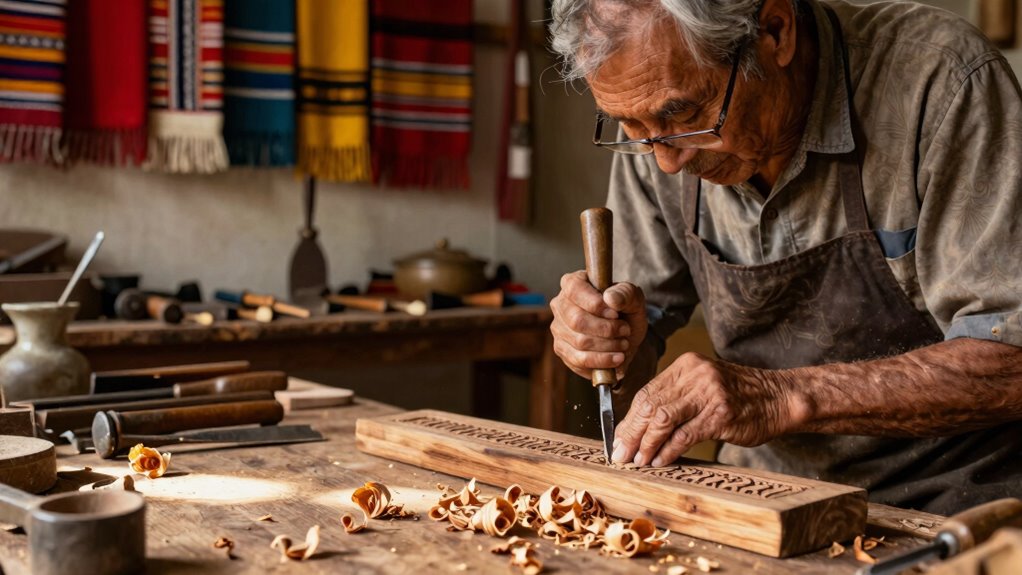

You see how artisans are using modern technology to keep old skills alive, sharing techniques via digital platforms and creating online workshops. They blend traditional craftsmanship with tools like 3D printing and laser cutting, making their work relevant today. Social media and online marketplaces help them reach new audiences and support sustainable practices. By documenting their traditions digitally and engaging with global communities, they guarantee these skills flourish for generations—continue exploring to discover more ways they stay connected to the past while innovating for the future.

Get home appliances delivered free with Prime
- Fast, free delivery on millions of items
- Prime Video, Amazon Music and more included
- Member-only deals all year
Key Takeaways
- Artisans leverage digital platforms to share techniques, expand audiences, and sell products directly, ensuring traditional skills reach new generations.
- Combining traditional craftsmanship with modern tools like 3D printing and laser cutting fosters innovation while maintaining authenticity.
- Online marketplaces and social media broaden artisans’ market access, connecting them with a global customer base.
- Digital documentation and virtual workshops preserve cultural knowledge and facilitate intergenerational skill transmission.
- Storytelling through digital channels enhances cultural significance, engaging consumers and supporting the sustainability of traditional crafts.
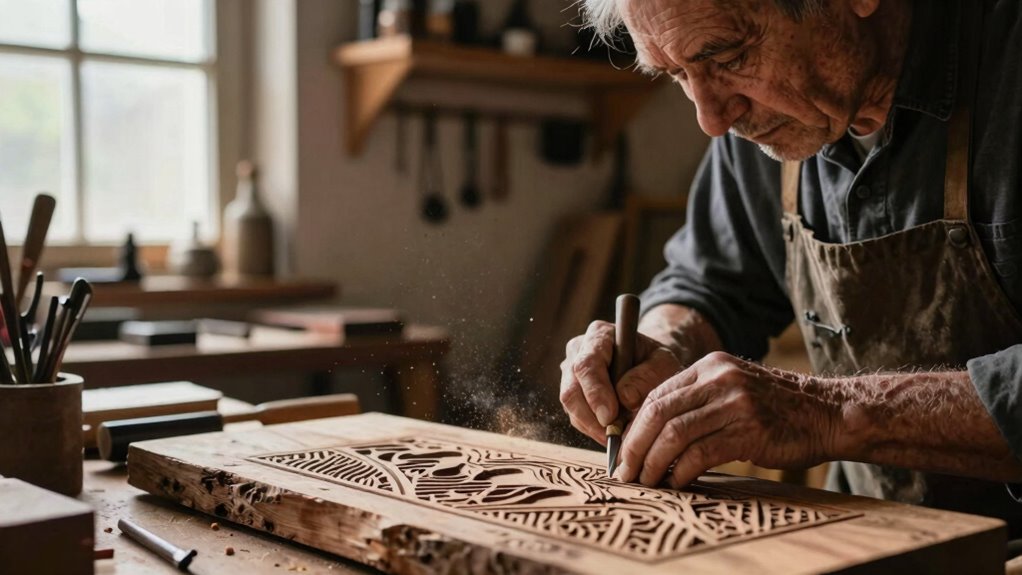
Despite the rise of mass-produced goods, artisans are actively preserving age-old techniques that keep traditional crafts alive. You might think that modern technology would make handcrafted skills obsolete, but many artisans are using it as a tool for cultural preservation. Instead of replacing their methods, they incorporate new tools to enhance their work, ensuring their crafts remain relevant in today’s world. For example, some artisans use digital platforms to share their techniques, reach wider audiences, and sell their products directly to consumers. This not only helps sustain their craft but also introduces it to people who might never have encountered it otherwise.
Artisans blend tradition with technology to preserve and share timeless crafts worldwide.
By leveraging social media, websites, and online marketplaces, artisans keep their cultural heritage alive while adapting to modern consumption habits. This approach bridges the gap between tradition and innovation, making these skills accessible and desirable to a new generation. It’s no longer enough to simply craft by hand; you also need to connect with a global community that values authenticity and craftsmanship. These digital tools provide a platform for storytelling, allowing artisans to share the history behind their work and the cultural significance embedded within each piece. This storytelling adds depth and value, encouraging more people to appreciate and support traditional crafts.
Furthermore, modern technology enables artisans to experiment with new materials and techniques without losing the essence of their craft. For instance, 3D printing and laser cutting can complement traditional methods rather than replace them. This hybrid approach keeps the craft relevant while respecting its roots. Artisans are also participating in workshops, tutorials, and live demonstrations online, which serve as educational tools and help sustain these skills across generations. Their efforts create a sense of community that transcends physical borders, fostering cultural preservation on a broader scale. Additionally, digital tools can facilitate the preservation of traditional techniques that might otherwise be lost over time. Incorporating digital documentation into their practices ensures the longevity and dissemination of their knowledge.
Utilizing modern technology not only helps with preservation but also allows artisans to innovate and adapt their crafts to contemporary tastes and markets. The integration of digital technology allows artisans to document and archive their techniques, ensuring that future generations have access to these skills even if the physical knowledge fades. In this way, technology becomes an ally rather than a threat. It empowers artisans to keep their skills alive, adapt to changing markets, and share their cultural heritage with the world. Your role as a consumer can support this movement by choosing handcrafted, culturally significant products that tell a story. Through these efforts, traditional crafts are not only surviving but thriving in new times. The key lies in blending old techniques with modern tools, ensuring that these valuable skills are passed down and appreciated long into the future. Artisans demonstrate that tradition and innovation can coexist, keeping age-old crafts relevant and vibrant for generations to come.
handcrafted traditional craft tools
As an affiliate, we earn on qualifying purchases.
As an affiliate, we earn on qualifying purchases.
Frequently Asked Questions
How Do Artisans Find New Markets for Traditional Crafts?
You find new markets for traditional crafts by embracing market diversification and promoting cultural preservation. You can showcase your work at international fairs, online platforms, and specialty boutiques to reach a broader audience. Collaborating with designers or brands also helps introduce your crafts to new demographics. By highlighting the cultural significance behind your skills, you attract customers who value authenticity and tradition, ensuring your craft remains relevant and appreciated worldwide.
What Modern Tools Do Artisans Incorporate Into Their Skills?
You incorporate modern tools like digital design software and online platforms into your craftsmanship techniques, making it easier to create and share your work. By using social media and e-commerce websites, you connect with a global audience, preserving cultural heritage while adapting to contemporary markets. These tools help you showcase traditional skills, attract new customers, and keep your artistry relevant in a rapidly changing world.
How Do Artisans Balance Tradition With Innovation?
Like Da Vinci blending art and science, you balance tradition with innovation by honoring cultural preservation while embracing craftsmanship evolution. You incorporate modern tools and techniques to enhance authentic methods, ensuring old skills stay relevant. By respecting heritage and exploring creative new approaches, you keep craftsmanship alive, inspiring others to value both history and progress. This harmony allows artisans to honor their roots while forging a dynamic future.
What Training Is Available for Aspiring Artisans Today?
You can access various training options like craftsmanship apprenticeships and skill development programs today. Apprenticeships offer hands-on experience, allowing you to learn directly from experienced artisans while earning. Skill development programs, often available through community colleges or online courses, help refine your techniques and expand your knowledge. Combining these opportunities, you can build a strong foundation in traditional crafts and adapt them to modern applications.
How Does Technology Impact the Preservation of Old Skills?
Technology greatly impacts the preservation of old skills through digital transformation, making techniques more accessible and easier to learn. You can now find online tutorials, virtual workshops, and detailed digital archives that support cultural sustainability. These tools help keep traditional crafts alive by reaching a broader audience, ensuring that old skills remain relevant and appreciated in today’s fast-paced world. Embracing technology consequently strengthens the connection between tradition and modern innovation.
Conclusion
You see, by embracing tradition and adapting to modern times, you breathe new life into age-old skills, much like a river shaping the landscape over time. These artisans prove that heritage isn’t just history—it’s a living, breathing part of today’s world. Keep supporting their craft, and you’ll help preserve a piece of history that continues to evolve, just like a song that stays fresh, vibrant, and forever meaningful.
NFL season / tailgating Picks
team gear
As an affiliate, we earn on qualifying purchases.