
TL;DR
A House Beautiful report recommends wiping up acidic spills promptly, using cleaners made for stone and checking granite’s seal at least once a year. A water test can help identify when resealing may be needed, though the guidance does not address every granite finish or product label.
House Beautiful has published care guidance for granite countertops, recommending prompt cleanup of acidic spills, cleaners formulated for stone and periodic checks of the protective seal. The advice matters because granite is porous and its seal can wear with everyday kitchen use, potentially leaving the surface more vulnerable to stains.

Get home appliances delivered free with Prime
- Fast, free delivery on millions of items
- Prime Video, Amazon Music and more included
- Member-only deals all year
For daily care, the report advises wiping away spills promptly, especially vinegar, wine and coffee, which it says could leave marks. The risk may be more apparent on light-colored stone. Granite often has a protective sealant applied before installation, but the report says this slows stain absorption rather than making the surface impervious.
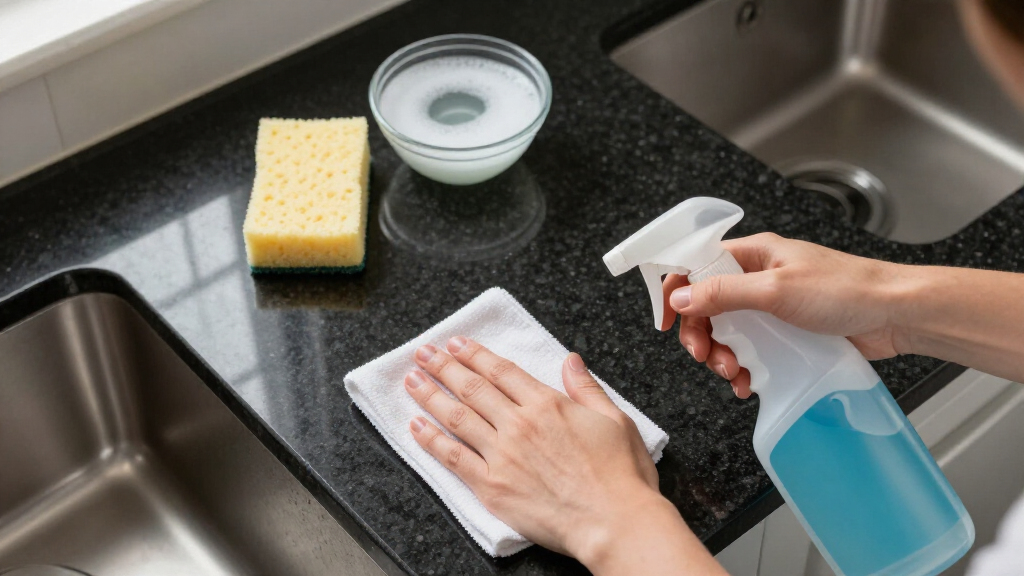
The report cautions against products containing harsh chemicals, citing glass cleaners that may contain ammonia as a potential cause of dulling. It recommends products formulated for granite or other stone and suggests cleaning with a soft cloth. Its proposed routine is to spray a stone cleaner, wipe in a circular motion, then buff with a clean, dry cloth.
For longer-term protection, the report recommends resealing at least once a year, with six-month intervals as an option for kitchens that see heavy use. To check the seal, sprinkle water on the counter and wait about 15 minutes: water that remains on the surface suggests the seal is intact, while water that sinks in and leaves dark spots may indicate that resealing is due. The report says to follow the sealer’s directions and allow the treated surface to dry fully before food preparation.
Protecting Stone From Kitchen Wear
The guidance addresses two different risks: surface damage from spills and cleaning products, and stain absorption as a seal weakens. Acting quickly on acidic liquids and avoiding unsuitable cleaners may help homeowners reduce marks or dulling. Checking the seal gives them a practical way to decide whether further protection may be needed.
Maintenance can also depend on where and how the countertop is used. The report advises giving high-use areas and edges extra attention and notes that honed granite may need resealing more often than a glossy finish. These suggestions are relevant to household upkeep, but they are not a guarantee against damage or a substitute for care instructions specific to a particular stone.
Products Worth Considering

Samsung 65-Inch M70H Series 4K Mini LED Smart TV (2026)

Samsung 85-Inch QN70F Neo QLED 4K Smart TV (2025)

Philips Hue Bridge Pro Smart Lighting Hub, 1-Pack
As an affiliate, we earn on qualifying purchases.
Daily Cleaning and Annual Sealing
The report divides countertop care into routine cleaning and longer-term sealing. Granite is described as naturally porous; the seal applied before installation helps slow absorption, but ordinary wear can gradually reduce that protection. This is why cleaning habits and seal checks serve different purposes.
House Beautiful also identifies precautions around installation details and use: set down heavy cookware gently to reduce the chance of chipping vulnerable edges or corners, and do not overlook the area beneath sink lips when sealing. It suggests extra applications on countertop edges, which it says wear more quickly than flat areas. The supplied report also names Weiman products as examples; those are product recommendations in the source, not independent comparative testing.
When Sealing Is Actually Needed
The supplied report does not give a publication date or identify an independent stone-care expert consulted for its recommendations. Its 15-minute water test is presented as a practical check, but the material does not establish that it applies equally to every granite type, finish or sealer. The report also does not compare cleaning products or provide evidence that a named product will perform the same way on all surfaces.
Homeowners should check the countertop installer’s or stone supplier’s care instructions and the label on any cleaner or sealer. The report does not specify how to handle existing stains, etching, cracks or damage; those conditions may require advice from a stone-care professional rather than routine cleaning.
Check the Surface and Product Labels
The practical next step is to make a habit of prompt spill cleanup and use a cleaner labeled for the countertop material. Owners can perform the report’s water test periodically, particularly after heavy kitchen use, then follow the sealer manufacturer’s instructions if resealing is needed. The source does not set a formal inspection schedule beyond its annual recommendation and shorter interval for heavily used kitchens.
Before applying sealer, confirm that the product is appropriate for the stone and finish, ventilate the work area as directed, and keep food-preparation surfaces out of use until the product has dried for the stated time. If water absorption, staining or damage persists, contact the installer or a qualified stone-care professional for guidance.
Key Questions
How often should granite countertops be resealed?
The House Beautiful report recommends at least once a year, with resealing about every six months as an option for heavily used kitchens. Actual needs may vary with the stone, finish and product instructions.
How can I check whether the seal may need attention?
The report suggests sprinkling water on the surface and waiting about 15 minutes. Water that stays on top suggests the seal is intact; dark spots where water has soaked in may indicate resealing is due.
Which spills should be cleaned up quickly?
Wipe up vinegar, wine and coffee promptly, the report advises. It says these acidic liquids could leave marks, particularly on light-colored granite.
Can I use glass cleaner on granite?
The report advises against cleaners with harsh chemicals and says some glass cleaners may contain ammonia, which can dull stone. Use a product labeled for granite or other stone and follow its directions.
Do granite edges need special care?
The report says edges and corners are more vulnerable to chips and may wear faster than flat areas. It recommends setting heavy cookware down gently and giving edges extra attention when sealing.
Source: rss